| OCR Text |
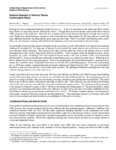
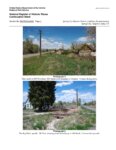
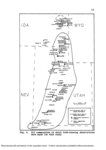
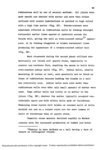
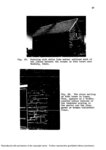
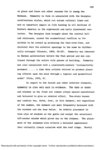
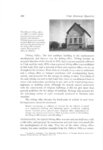
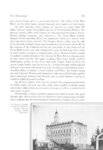
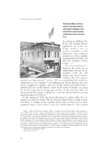
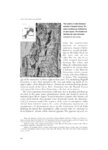
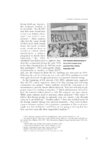
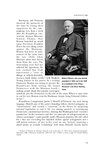
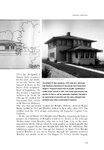
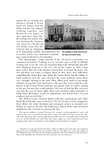
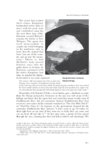
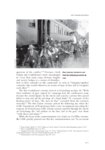
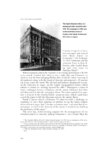
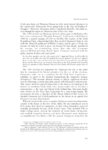
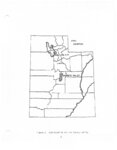
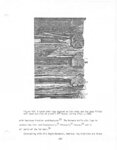
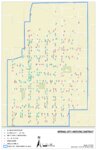
Show SALT LAKE TRIBUNE UTAH HISTORICAL QUARTERLY Trains were required to sound a whistle whenever they approached a railroad crossing. A whistle board on the side of the track, 1,430 feet from Burgon’s Crossing, reminded them of this responsibility. The crew sounded the whistle and kept it blowing as they approached the crossing. The bus driver, twenty-nine-year-old Farrold Henry Silcox, had been driving the bus for almost three years, and had not been cited for any traffic violations as a driver. Silcox was familiar with the route and the road and he had already picked up thirtyeight students. Band instruments being brought to school by the students were piled on seats towards the front of the bus. The morning bus run could be a hard drive on winter mornings because there was no heater in the vehicle, though the windshield was equipped with a defrosting window and windshield wiper. The driver ran a strict bus, not allowing students to stand or be too loud. Students reported that The route of the school bus from on that morning there was no “unusual Riverton north to Jordan High noise, loud talking, laughing or singing.”1 The bus windows were closed because of School. the weather, and steam covered all the windows, with the exception of the defrosted windshield. The bus turned and stopped at the railroad crossing. State law required, as did school district policy, that school buses come to a full stop before crossing railroad tracks, and “before proceeding on his way, the driver must be certain that no train is approaching from either side.”2 Normally, at this 1 “Interstate Commerce Commission; Washington; Report of the Director Bureau of Safety; Accident on the Denver and Rio Grande Western Railroad; Riverton, Utah; December 1, 1938; Investigation No. 2315,” <http://www.drgw.net/info/index.php?n=Main.ICC2315>, accessed November 5, 2012. This is a copy of Inv-2315, the Interstate Commerce Commission report of their investigation of the accident. Unless otherwise cited, the narrative is derived from this detailed report, which is the most reliable and objective account of the accident, written shortly afterwards with a focus on what exactly happened. As time went on, survivors of the accident and others added details to their recollections that may or may not be accurate. This is not suprising, since a sudden traumatic accident usually leaves only fragmented memories that survivors sift through and and reassess over the years, adding information from other sources, and trying to make sense of what happened. Two other useful accounts of the accident are found in Scott Crump, The First 100 Years: A History of Jordan School District (West Jordan: Jordan School District, 2005), 23-26, 59; and Melvin L. Bashore and Scott Crump, Riverton: The Story of a Utah Country Town (Riverton: Riverton Historical Society, 1994), 151-63. 2 Ibid. State law did not require school buses to stop if traffic control signals (also called safety appliances) were operating. See Revised Statutes of Utah 1933, 57-7-44. 160 |