| OCR Text |
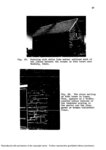
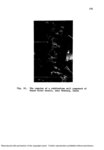
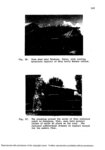
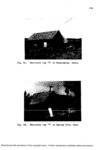
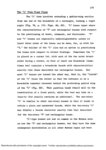
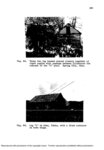
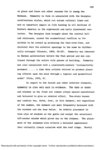
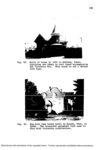
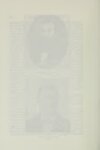
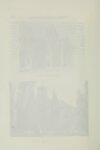
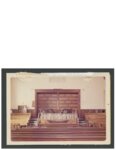
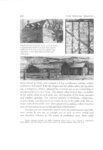
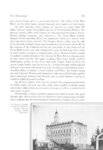
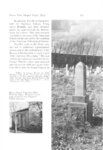
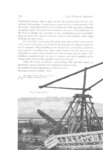
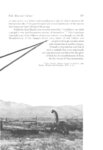
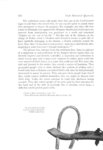
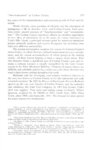
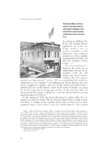
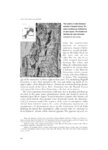
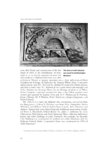
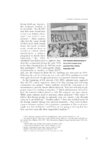
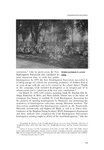
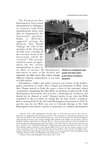
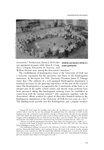
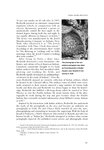
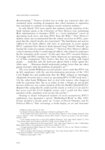
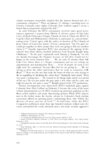
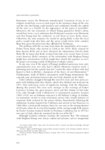
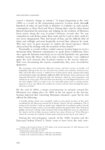
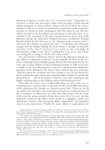
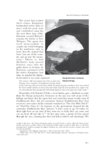
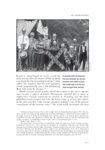
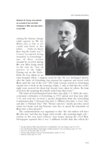
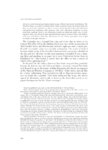
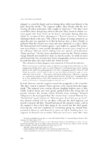
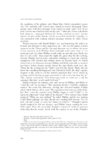
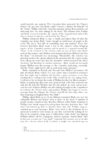
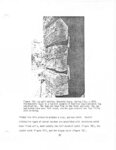
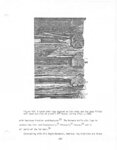
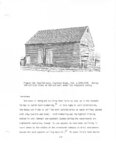
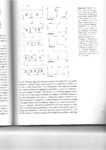
Show Utah Historical 138 Quarterly grave in Manti (fig. 8) represents an achievement, that of translating the book into Danish, and thus has little symbolic value. T h e difference between these two markers becomes clear if one remembers the distinctions C. G. Jung made between sign and symbol. According to Jung, the sign (seen here on P.O. Hansen's grave) is less than or simply equivalent to the concept it represents—in Hansen's case the open Book of Mormon simply represents his prowess as a translator. Jung went on to explain that the symbol, unlike the sign, always stands for something more than its obvious and immediate meaning—in Christensen's case the book represents his conversion, the revelation of the spirit, which cannot be quantified.1" T h e kinds of stones some may find most interesting are often those 7 w ith limited symbolic value—merely signs. Two stones, one found in a tiny cemetery on the east side of Spring City (fig. 9) and the other located in Manti (fig. 10) simply tell the onlooker that the dead were killed by Indians. Popularly, folk housing is probably the most conspicuous segment of material culture in the Sanpete-Sevier region, and log housing is the most ,1 " See Carl G. Jung, "Approaching the Unconscious," Man and His Symbols, Jung (New York: Doubleday, 1964), p. 55. ed. Carl G. Fig. 7. Gunnison headstone displays Book of Mormon. Fig. 6. Handclasp motif on Manti cemetery marker. U-mHi •J '"••PB >.' it.. f**4 >• f ..*- M .- *...'•* J , . . . W K ^, •/ *.. a |