| OCR Text |
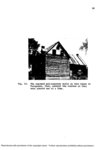
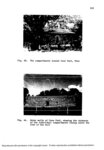
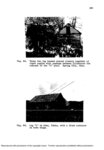
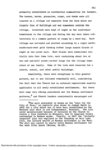
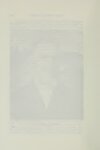
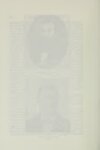
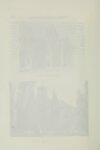
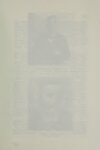
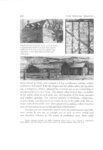
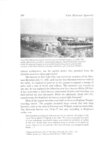
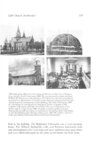
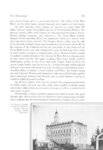
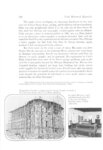
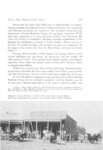
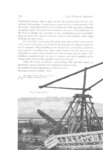
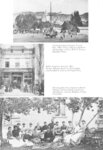
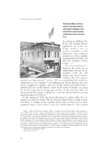
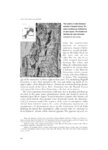
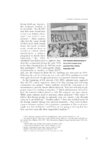
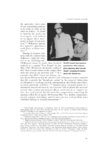
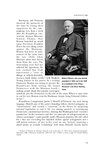
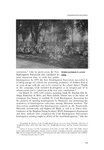
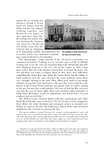
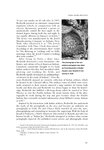
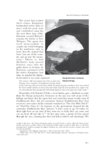
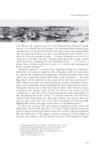
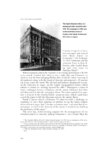
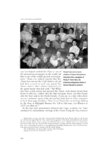
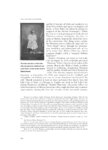
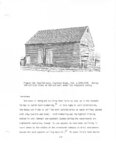
Show 304 Utah Historical Quarterly The Old Tabernacle and the third bowery on Temple Square, ca. 1854. The adobe tabernacle, actually a sophisticated dugout, seated twenty-five hundred, while the open-air bowery accommodated eight thousand in questionable comfort. Utah State Historical Society collections, gift of Leon L. Watters. sidered architecture, but the partial shelter they provided from the elements must have been appreciated. The bowery in Salt Lake City was erected by members of the Mormon Battalion July 31, 1847, and was the first Mormon structure built in the valley. It consisted of posts set in the ground to support a canopy of poles and a roof of brush and willows. The structure was erected in one day. It was replaced the following year by a bowery 60-by-100 feet. A few years later a third bowery constructed of poles and boarding was built behind the first tabernacle. While the tabernacle (built 1851-52) seated twenty-five hundred, the bowery seated eight thousand.8 Most of the largest boweries were built in towns on Brigham Young's traveling circuit. The prophet attracted large crowds that only huge boweries, such as the ones in Parowan and Willard, could accommodate. The Parowan bowery was 54-by-77 feet and, according to Brigham's scribe, was different from anything he had ever seen in the territory, the height in the center being about 15' sloping to the sides. The roof sustained by two rows of clean scantlings; attached to these were bolted the stretchers or rafters of the roof. Across these were stretched strips of lumber at 24 inches on center, and over all was placed a thin layer of brush, just enough to make shade. . . .9 Marguerite Cameron, This Is The Place (Caldwell, Ida., 1941), 153. Andrew Jenson, ed., "Parowan Ward History," LDS Archives. |