| OCR Text |
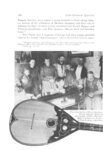
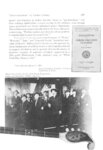
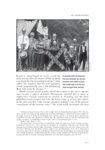
Show 184 Utah Historical Quarterly O u r p r i m a r y object in building the a m u s e m e n t halls is to m a k e it a kind of a center for people in the camps, instead of as at present—the tendency for each nationality to keep to themselves. N o t h i n g will tend to help this situation m o r e t h a n a rapid change of atmosphere in the halls eliminating the present practice of Americans moving to other seats in case Greeks or Italians take seats immediately adjoining them. T h e p r i m a r y reason for m o v i n g usually being that bodily odor from the foreigners is offensive. Any apparent leniency directed toward the Greeks or Italians was not afforded the Japanese as the same official in various telegrams sought a separate Japanese Hall and " J a p " pool hall for Sunnyside. 11 Immigrants sought security among those who spoke the same language a n d who could offer assistance with such exigent needs as finding a job. These people brought with them language, religion, beliefs, and customs, products of their cultural heritage. Congregation in camps and distinct sections of towns only accentuated the elements of cultural difference. T h e establishment of fraternal groups, coffeehouses, boarding houses, churches, and, later, businesses, all aimed at security and cultural maintenance. Assimilation into American society was not a primary goal because Japanese and most Mediterranean immigrants initially viewed themselves as only temporary workers in America. Finnish saunas dotted the Scofield and Clear Creek countrysides; individual as well as public saunas enabled the Finns to enjoy their traditional baths created by running water over hot rocks. Greek miners suffering from homesickness, especially because women w7ere not initially present to honor them with feasts on their name days, gathered in coffeehouses for social life. I n the Helper and Price coffeehouses, basil plants lined the window sills, and calendars and pictures of Greek patriots hung on the walls. M e n drank Turkish coffee and smoked the nargile, played cards, read Greek newspapers, and spent hours talking. Sunday dress for Greeks, and most immigrants, meant a sign of respectability. In Helper, Greeks utilized the Y M C A showers to wash prior to donning suits for Sunday visits to the coffeehouse.12 Fraternal organizations flourished in Carbon County. Italians organized Stella D'America ("Star of A m e r i c a " ) , Castle Gate ( 1 8 9 8 ) ; 11 C. H . Gibbs to A. H. Cowie, vice-president and general manager of U t a h Fuel C o . ; telegrams from A. H . Cowie, April 3 and April 12, 1917, M S 154, box 12, U t a h Fuel Co. Manuscripts, Special Collections, Lee Library, Brigham Young University, Provo, Utah. 12 For a geographical study of the Finns, with emphasis on the Great Lakes but some m a p references to U t a h , see Matti E. Kaups, " T h e Finns in the Copper and Irons Mines of the Western Great Lakes Region, 1864-1905: Some Preliminary Observations," in Michael G. K a m i , Matti E. Kaups, Douglas J. Ollila, Jr., eds., The Finnish Experience in the Western Great Lakes Region: New Perspectives (Vammala, Finland: Institute for Migration, 1975) pp. 5 5 - 8 8 . Research on the Finns in Carbon County is in progress by Craig Fuller, Local History Project, U t a h State Historical Society. O n the Greek coffehouses consult Papanikolas, Toil and Rage, pp. 118-19. |