| OCR Text |
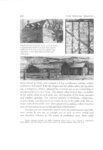
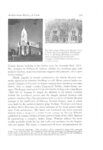
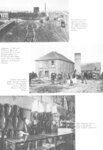
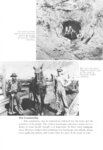
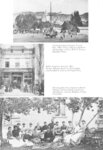
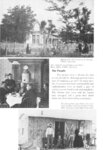
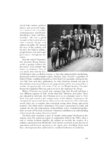
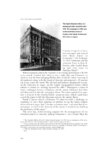
Show Utah Historical Quarterly 330 The West: An American Experience. Compiled a n d edited by DAVID R. P H I L L I P S . T e x t by DAVID R. P H I L L I P S and ROBERT A. W E I N S T E I N . (Chicago: Henry Regnery Co., 1973. xiv + 232 pp. $25.00.) The Taming of the West: A Photographic Perspective. Compiled and edited by DAVID R. P H I L L I P S . T e x t by DAVID R. P H I L L I P S a n d ROBERT A. W E I N S T E I N . (Chicago: Henry Regnery Co., 1974. viii + 232 p p . $25.00.) T h e photograph as a historic document has come into its own, taking its place alongside letters, diaries, and newspapers as a source of detailed information on the society of a particular time and place. While the photograph has long been recognized for its matchless ability to freeze a historic moment — the joining of the rails at Promontory, for example — its usefulness in documenting the life of a town has seldom been fully appreciated until recent years. The West: An America?! Experience and The Taming of the West illustrate how the historic photograph documents the daily life of ordinary people. Both books contain a large number of photographs of Leavenworth a n d nearby Fort Leavenworth, Kansas, mostly from the superb work of E.E. Henry and from a collection of some forty thousand glass negatives preserved by Mary E. Everhard. I n a generous sampling the viewer sees Leavenworth's streets a n d businesses, the railway depot alongside the Missouri River, hotels, law offices, fish markets, river steamers, Blacks, families, workers, farmers, soldiers, federal prisoners, aging veterans. T h e rich fabric of life in one part of Kansas from about 1860 to 1900 in vividly exposed. With the exception of Alaska, the West encompassed by the two books lies mainly between the Missouri a n d R i o Grande rivers. Places covered in some detail include the towns a n d surrounding areas of Socorro, N e w Mexico, photographed by Joseph E. Smith; Deadwood, South Dakota, by Silas Melander; a n d Dawson City, Alaska, by un- known photographers. Montana and Nebraska are well represented. And each book also contains a full chapter on Native Americans, mostly from the photographs of N.A. Forsyth. In slightly different ways each book illustrates the settlement of the West. What one sees is not the great movement overland but the digging in by "the unheralded people who conquered the prairies, quite unaware that they were effecting a major transformation in American history." T h e tedious labor of ordinary men a n d women tamed the West. T h e photographs selected by David R. Phillips document this achievement a n d may do more to balance the general readers' view of t h e West than any other comparable volumes. While the sensationalized West of the movies will remain with us, the stunning photographs reproduced in these books will enrich our "memory" of the real West as few other historic documents can. T h e reproduction of the glass negatives is truly excellent, a n d t h e text by Phillips and Robert A. Weinstein places the photographs in a narrative context that will help most readers appreciate them as documents rather than mere textual embellishment. I n addition to their value as social history, these volumes are tributes to t h e artistry a n d technical skill of the nineteenth-century wet-plate photographer w h o captured for posterity the visual record of his time. M I R I A M B. M U R P H Y Utah State Historical Society |