| OCR Text |
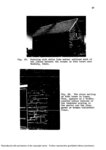
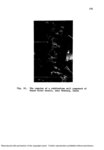
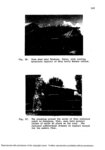
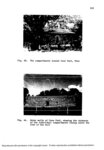
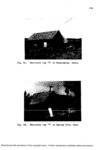
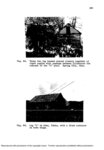
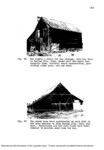
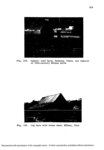
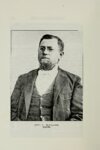
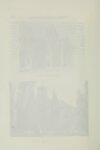
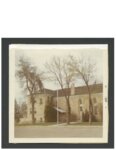
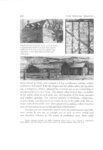
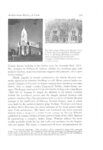
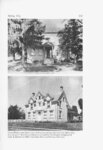
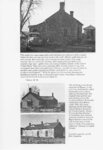
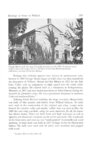
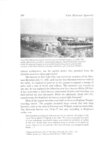
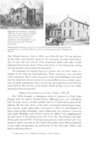
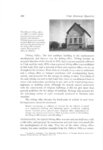
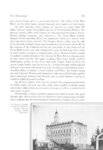
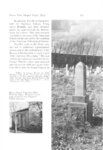
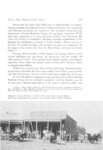
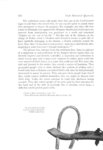
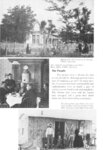
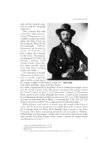
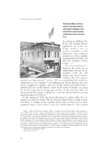
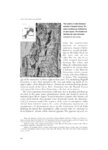
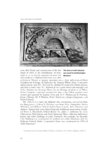
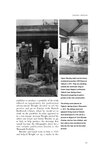
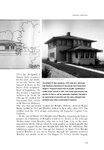
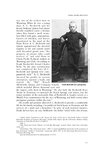
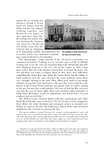
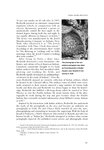
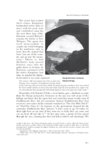
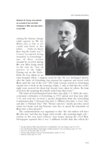
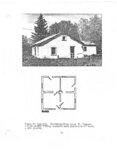
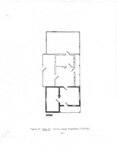
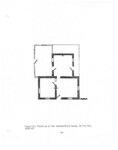
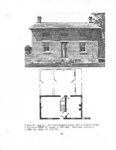
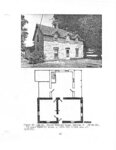
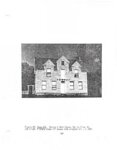
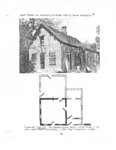
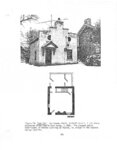
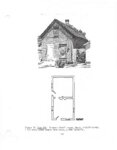
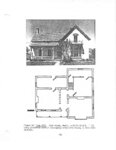
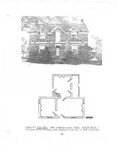
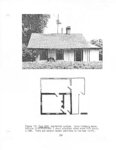
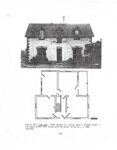
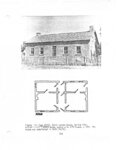
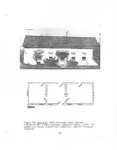
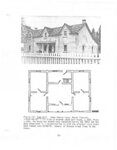
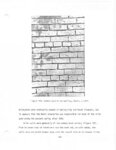
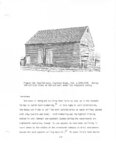
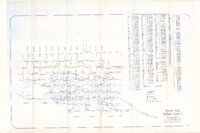
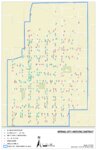
Show Heritage of Stone in Willard 297 by the Willard flood of 1923. The inundation of mud was so discouraging that the Wards simply uncovered the doors and windows and left the hilly contours. (Until early 1975, the east room was never cleared of debris. The present owners have recently excavated jars of preserves put up in 1923!) The west wing of the home is unusual for the arched red brick lintels over the doors and windows. Obviously, the Wards favored arches, since the interior doorway into the living room was arched also. In addition to the early stone houses, two wood frame homes of pioneer vintage in the Gothic tradition still stand in Willard. One is the Jonathan Wells home on the east side of town. Its dormer windows are similar in scale to those of the rock homes. The other is the large Solomon Warner home just north of the Matthew Dalton home. Warner was Willard's first postmaster and justice of the peace, and he and his wife "kept hotel" here when called upon.17 The last house Shadrach Jones helped to build was that of Robert Bell Baird in 1882-83. Probably the Baird home manifests the greatest extension of owner personality into architecture in Willard. The bargeboards under the eaves boast a carefully cut series of musical notes, as if to proclaim the lyricism of the owner. Baird, who wrote many hymns and songs, cut the musical notes from a one-by-twelve-inch board with a treadsaw. Although by the late 1870s mill-run wood trim was available in Utah, the musical notes stand out as one of the unique architectural details of Willard. The dormer windows and finial decoration echo the Gothic tradition, but the west porch recalls Greek Revival style. The lintels over the windows are decorated and the wood trim on the porches is ornate. The interior represents a total economy of space, with a yardsquare landing leading to the second story reached from three different rooms. To convert the home to gas heat, Malcolm Baird, grandson of Robert, tunneled underneath the floor to install the heat ducts. The original granary to the southeast of the house has a thick rock foundation extending down to include a cellar paved with eight-inch-square bricks, each four inches thick. Robert Bell Baird began working for the railroad in 1874, first as a section hand, then foreman, and later as agent. After nine years as railroad agent at the Willard depot, Baird was released because he did not know telegraphy. He held other railroad jobs until his daughter Rachel learned telegraphy and he could work with her as agent. An attempt to give up railroading for complete devotion to music proved economically 17 See schematic m a p of Willard in Harding, Dwight Harding Family Book, 341. |