| OCR Text |
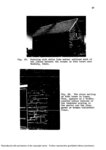
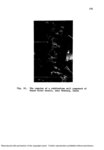
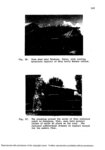
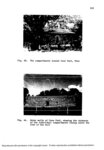
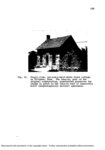
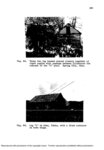
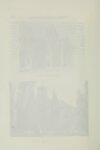
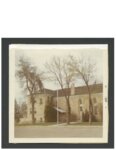
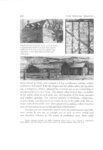
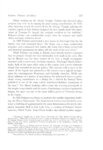
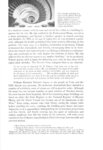
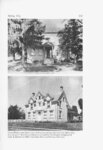
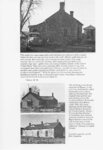
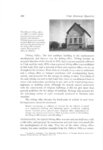
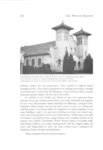
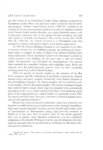
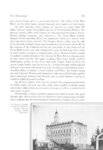
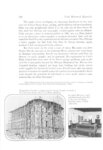
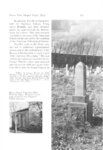
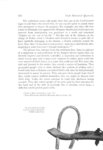
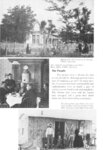
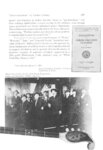
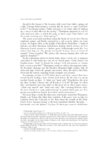
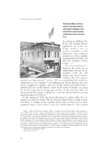
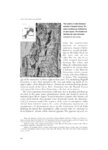
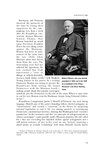
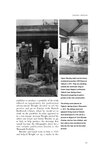
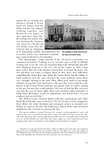
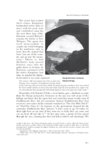
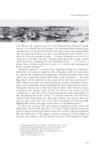
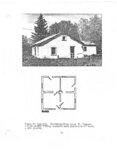
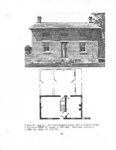
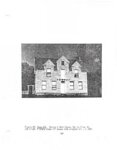
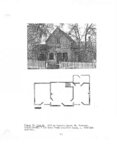
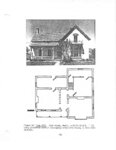
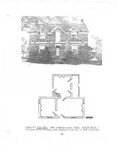
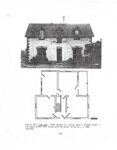
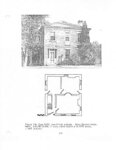
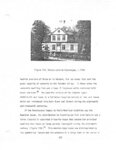
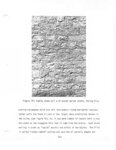
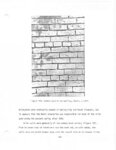
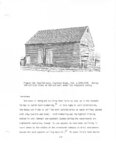
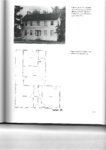
Show 300 Utah Historical Quarterly assess the architectural and historical value of buildings plus a survey of the opinions of residents on landmarks, nodes, paths, and other town qualities were the foundation for a historic preservation plan published for Willard in 1973.21 Since then, several workshops have been held, and Willard residents anxious to preserve their heritage have incorporated the Historic Willard Society. The society encourages the preservation and restoration of historic buildings and the protection of town and landscape features. Their most recent efforts have been to cosponsor a regional workshop on historic districts for the National Trust for Historic Preservation, to host a tour in cooperation with the Utah Heritage Foundation during National Historic Preservation Week, and to restore the original pioneer Willard Cemetery as a Bicentennial project. The demand for historic buildings in Willard seems to exceed the supply. When the William Jacksons wanted to move into a stone home in Willard and found none available, they built one themselves with the thick walls characteristic of the old stone homes. Mr. Jackson's craftsmanship carries on an old Willard tradition of excellence, hard work, and ingenuity—especially in an age of mechanization and prefabrication. If anyone can imagine how Shadrach Jones and his helpers worked to combine beauty and function in Willard, it would be the Jacksons. And if ever a community should foster pride, Willard must. While one wonders whether man can ever improve the natural landscape, in Willard the tradition exists for a harmonious relationship to it at the very least. Gerald Brown and Teddy Griffith, Willard: A Plan for Its Historic Preservation (Logan, 1973! Shadrach Jones gave the John Miller home an unusual appearance by treating the stone differently. Utah State Historical Society collections. |