| OCR Text |
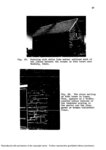
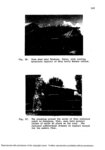
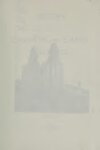
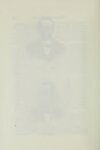
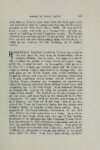
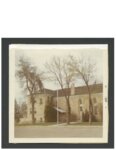
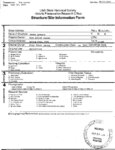
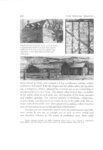
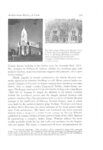
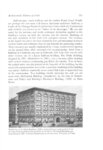
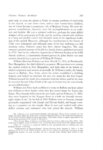
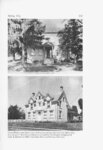
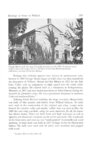
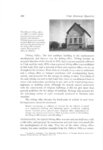
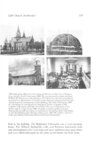
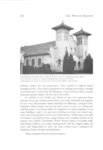
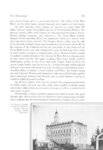
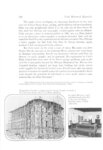
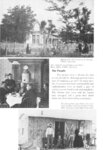
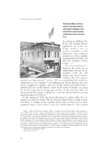
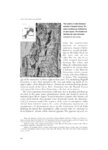
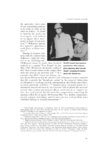
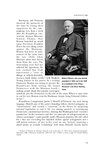
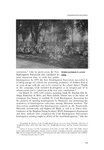
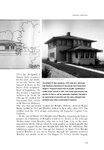
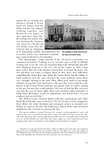
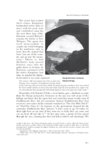
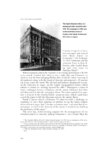
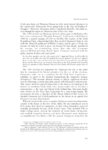
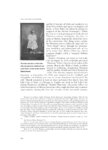
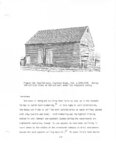
Show 322 Utah Historical Quarterly The Nebo Stake Tabernacle, 1906, in Payson with its Italianate design shows how the end of Mormon isolation brought an increase of artistic individualism to church architecture even in the smaller communities. perhaps unique but not progressive. They seemed to appeal mostly through novelty. The church appeared to be making an attempt, through its architecture, to show that the Mormons wanted to forget their previous isolation and join hands with the rest of the world. In addition to the Gothic and Classical styles that continued from previous years, new forms evolved that were really old motifs put together in new ways. Renaissance forms including the Baroque, resurgent Neoclassicism, Romanesque and several other period forms, even Muscovite and Byzantine, were found either by themselves or mixed together in the same building. And to the previous building materials were added concrete and steel, products of the new industrialism. While plans were still rectangular and split-leveled, wings to house new auxiliary bodies of the church were added. Classrooms, Relief Society rooms, recreation halls, and bishop's offices were often incorporated with the chapel under the same roof. Regardless of style, the front central tower remained the dominant feature of most meetinghouses. Many examples from this period remain: |