| OCR Text |
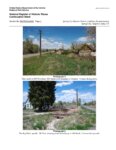
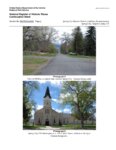
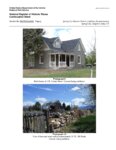
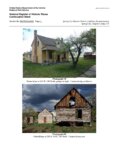
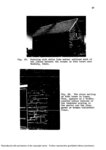
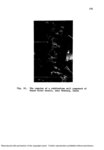
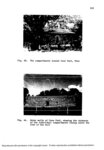
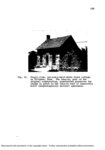
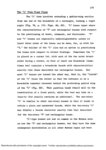
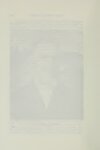
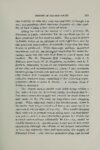
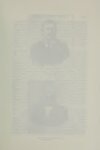
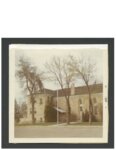
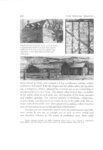
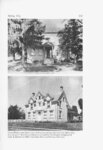
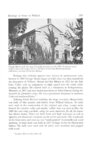
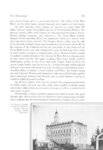
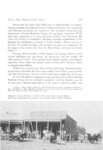
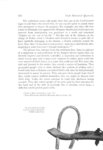
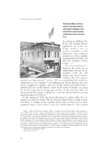
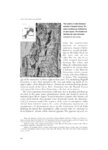
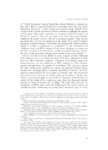
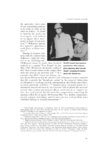
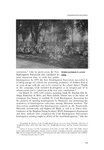
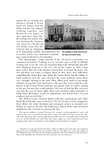
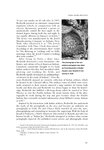
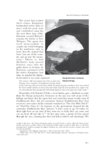
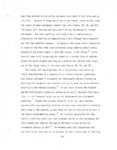
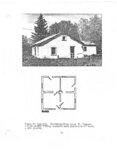
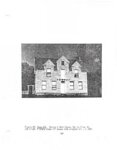
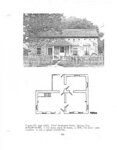
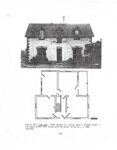
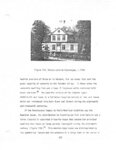
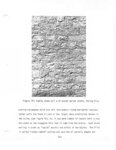
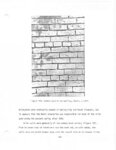
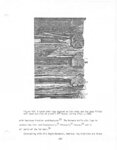
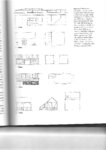
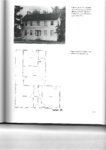
Show Figure 140: Simulated stone plaster veneer over adobe, Christian Michelsen house, Spring City, c.1875. for American Mormons in their switch over to adobe. For the majority of the Scandinavian immigrants, the transition to adobe was even easier. Unfired brick, called 11 lertegel" or "clay brick" in Swedish, was a common traditional material for infilling half-timbered buildings throughout Denmark and southern Sweden during the eighteenth and nineteenth centuries; these Scandinavians, while not responsible for introducing the adobe technique to Utah, undoubtedly helped refine the practice in the 7 years after 1853 when they began arriving in sizeable numbers. Adobe was made in the valley either on the homestead lot itself or at one of the many adobeyards that quickly sprang up in every community. Like other types of brick, adobes must be laid up in such a way that they overlap or bond with each other to insure the stability of the wall. 8 11 11 253 |