| OCR Text |
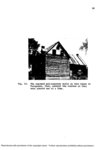
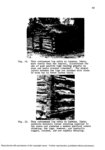
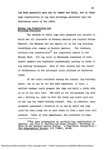
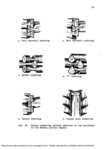
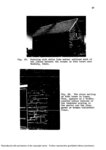
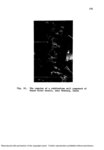
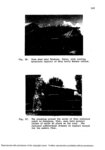
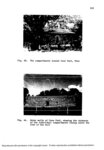
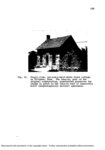
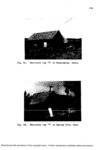
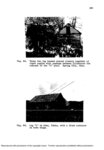
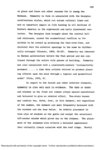
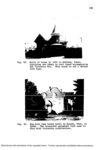
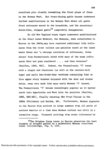
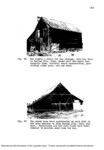
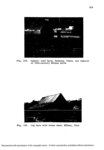
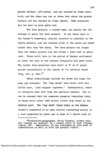
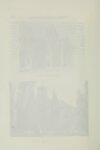
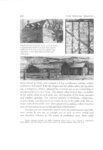
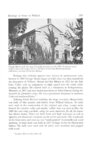
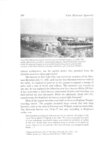
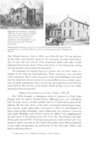
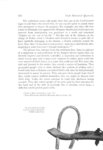
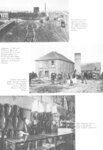
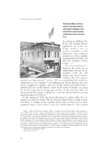
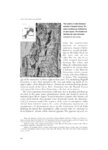
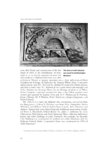
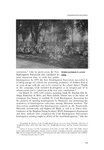
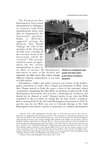
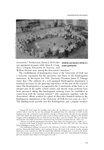
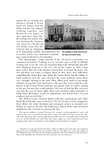
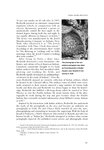
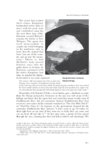
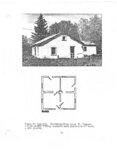
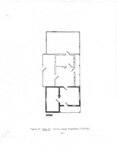
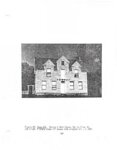
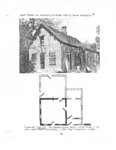
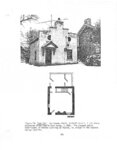
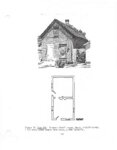
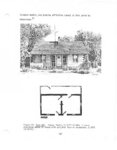
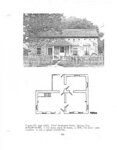
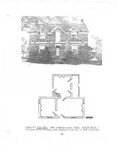
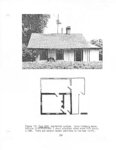
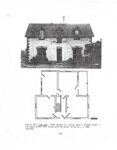
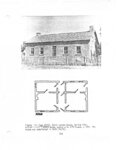
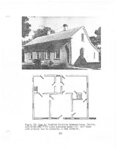
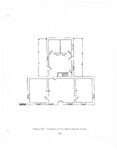
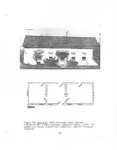
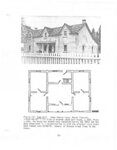
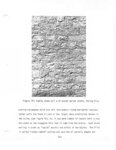
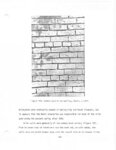
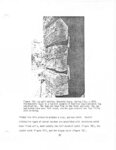
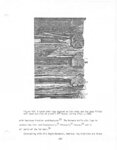
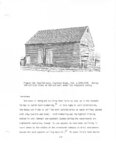
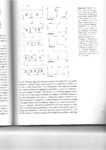
Show laid up in the less expensive common bond technique. While masonry was certainly the most prevalent form of building in the valley, the use of wood was never completely abandoned. Many of the first houses were in fact built of logs 17 and even though stone and adobe soon · became favored by the majority of Saints, log houses continued to be built well into the 1890s. As a rule, after the pioneering years log houses belonged to the smaller single cell plan family and were the dwellings of the less well-to-do Saints. Several Norwegian families, however, for whom horizontal log walling was a customary and dignified way of constructing a house, built larger hall-parlor timbered structures. 18 Log was also · regularly used in outbuildings and a great number of nineteenth century log barns and granaries are extant in the valley today. Two principal log building techniques were used by local carpenters. The first is recognized by the presence of gaps between the horizontal log tiers which are infilled or "chinked" with various materials such as clay, brick, and wooden slats (figures 145 and 146). The logs themselves are usually squared on the front and back and left round on the top and bottom. In this type of construction, the logs are flush at the corners and joined with either a half-dovetail (figure 146) or V-notch. For houses and granaries, the V-notch usually had squared sides, though it was often left round in barns and stables (figures 147 and 148). The second type of Sanpete Valley horizontal log timbering is characterized by tightly fitted, grooved walls with no chinking (figure 149). The grooved walls were made by tracing the top side contour of a log onto the bottom of the log in the tier directly above. Both sides were traced and then hewn with an axe or adz to produce a long groove along the bottom length of the log. The top of the lower log was then ·260 |