| OCR Text |
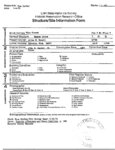
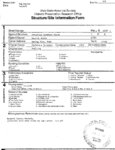
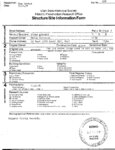
Show Utah State Historical Society in Salt Lake City and at the Fife Folklore Archive at Utah State University in Logan. The documentation stage of the fieldwork was largely accomplished during the spring of 1979, though it continued sporadically until the fall of 1983. Documentation for each of the buildings included mapping the site, measuring the floorplan (ground floor only), photographing the principal elevations, dating the building, and researching the background of the original owners (and builders, if known). most part, the fieldwork was conducted alone. For the Gary Stanton helped measure several houses in the fall of 1979 and Dell Upton assisted in several of the later field trips during 1982-1983; In connection with the historical documentation, it should be mentioned that land records are unavailable in the Sanpete Valley until 1870 when the U.S. Geological Survey was completed. Information concerning land ownership for the pre-1870 period is largely contained in LOS ecclesiastical w\.-i.-ck documents -Fl·El-- are not accessible for general research. Both these factors make the precise dating of the early buildings in the valley extremely difficult. By late in 1979, it became obvious that the number of Scandinavian structures in the Sanpete Valley was sufficient to make an understanding of European traditions imperative for the successful completion of the project. Most of the Sanpete Sc~ndinavian immigrants were from Denmark, but there were also many from Sweden and Norway as well. With this in mind, I applied for and received a George Marshall Fellowship from the American Scandinavian Foundation for study in Denmark during the fall of 1980. This research fellowship not only provided access to the fine archival and bibliographic holdings of the Danish National Museum, it 24 |