| OCR Text |
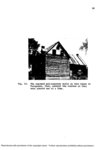
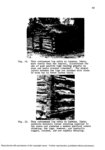
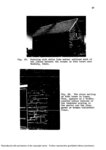
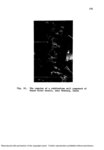
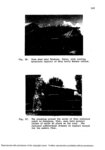
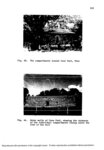
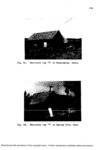
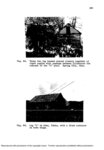
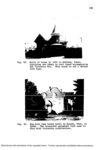
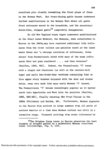
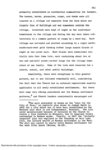
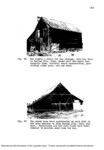
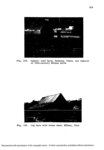
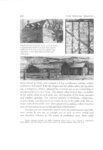
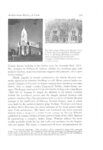
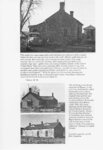
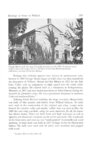
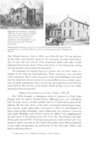
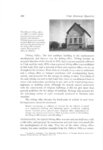
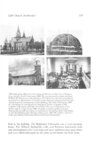
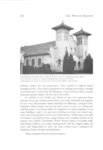
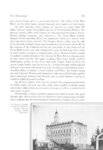
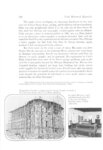
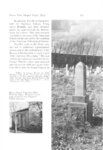
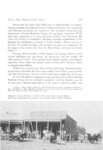
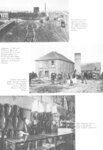
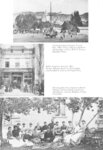
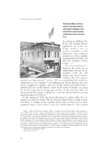
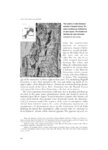
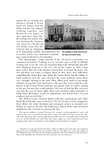
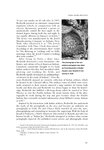
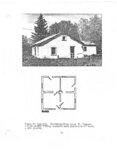
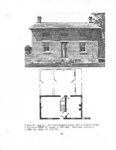
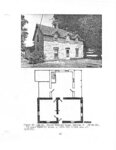
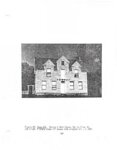
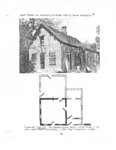
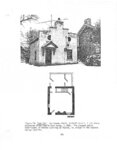
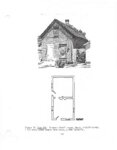
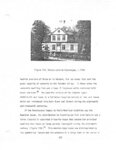
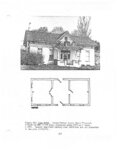
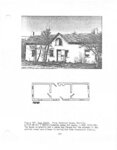
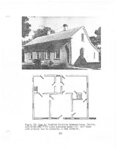
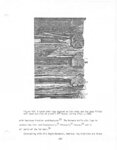
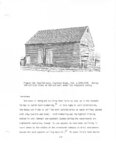
Show LDS Church Architecture 313 Relief Society granaries were built. These were simple structures usually built of lumber or rock and were used for the storage of wheat raised by or donated to the Relief Society. Architecturally, the granaries were devoid of decoration but showed diversity of construction, particularly among wood structures. Some were built with outside studs, a stud-frame construction in which wood planks were applied to the inside of the walls leaving the studs exposed on the outside. Other granaries, such as the one standing behind the stone granary in Ephraim, had walls of solid two-by-four-inch studs, a type of structure that would be very costly today. In construction and purpose, Relief Society granaries, tithing granaries, and private farm granaries were very much alike. Some granaries, such as the one in the Salt Lake Fifteenth Ward, were so well built that they were used as ward meetinghouses for a time. The Relief Society also supported the erection of other buildings such as hospitals and homes for the disadvantaged. Perhaps the most notable religious structure built by the Society was the Weber Stake Relief Society meetinghouse, a Gothic-styled building erected in 1902 and still standing. It was the only building in the church constructed for stake assemblies of the Relief Society. Extant structures from this period include: Alpine meetinghouse (1863) Bountiful Tabernacle (1857-63) Coalville Rock Tabernacle (1868) Fairview tithing office (ca. 1866) Farmington rock chapel (1862) Grantsville Branch meetinghouse (1861) Grantsville Ward meetinghouse (1866) Kanosh tithing office (1870) Millcreek meetinghouse (1867-76) Paradise tithing office (1863) Parowan rock meetinghouse (1862-66' Providence rock meetinghouse (1868) Pine Valley meetinghouse (1868-84) Salt Lake Tabernacle (1863-67) St. George First Ward (1863-65) St. George Second Ward (1865) St. George Tabernacle (1865-71) Spring City Relief Society granary (ca. 1875) Toquerville meetinghouse (1866-79) Virgin meetinghouse (1866) West Jordan rock meetinghouse (186167) LATE PIONEER OR POSTRAILROAD PERIOD, 1869-89 The year 1869 marked a turning point in the history of Utah with the coming of the railroad to the territory. The availability of a wider selection of materials and technology, exposure to design tastes of the outside world, and the influx of Gentiles and their lifestyles all influenced church architecture and caused it to drift away from vernacularism into |