| OCR Text |
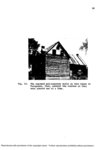
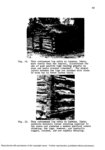
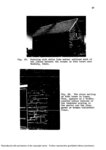
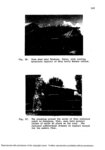
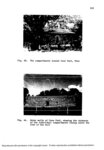
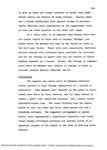
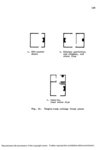
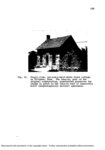
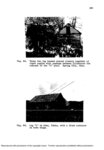
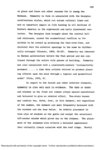
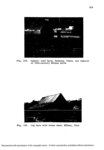
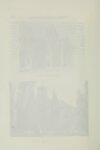
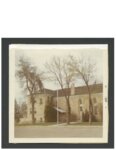
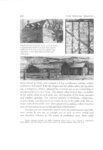
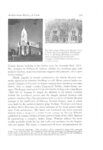
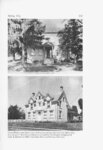
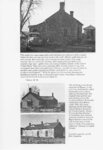
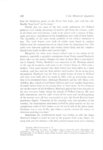
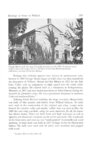
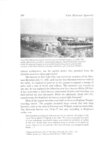
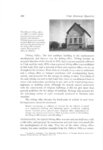
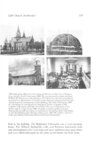
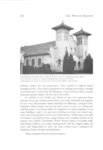
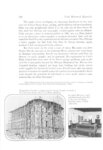
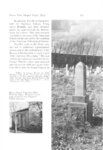
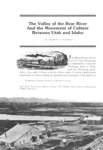
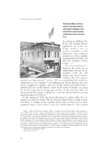
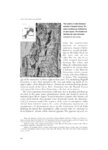
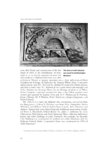
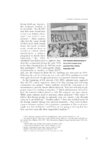
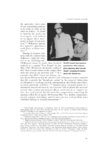
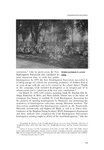
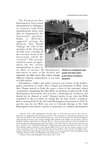
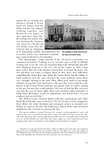
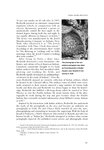
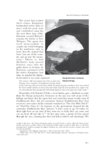
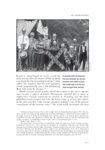
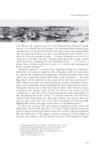
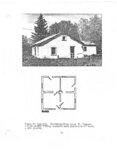
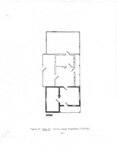
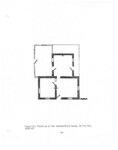
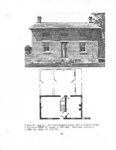
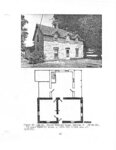
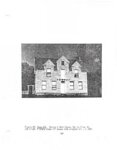
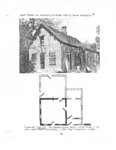
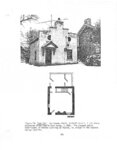
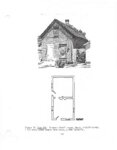
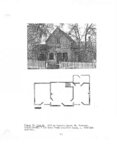
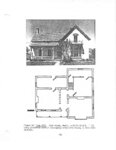
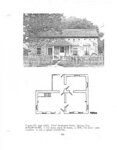
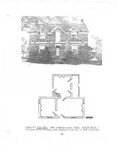
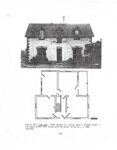
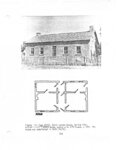
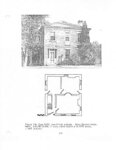
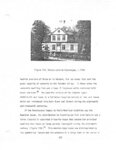
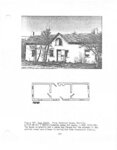
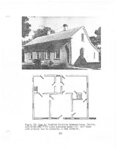
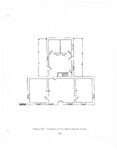
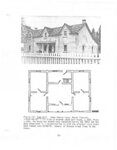
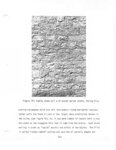
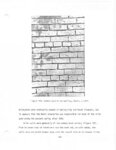
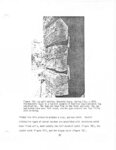
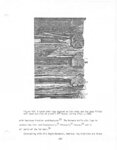
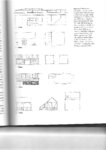
Show Stone Buildings of Beaver 281 volcanic rock, quarried in the nearby mountains. Thomas Frazer was one of the stonemasons. The only remaining building of the old fort is thought to have been the laundress quarters. It is reminiscent of the black-rock cabins, but was probably built from architectural plans; however, this structure does resemble the Welsh longhouse. In 1873 a detachment of two hundred fifty United States troops arrived at Fort Cameron. The fort was abandoned in 1882 by the army, and taken over partially by the LDS church, which established the Murdock Academy, an extension of Brigham Young Academy. Most of the fort buildings were converted to school use, and other buildings were constructed; but by 1922 and the advent of the public school system, the doors were closed and the land sold to private individuals. Besides the fact that Beaver City, Utah, is worthy of being declared a National Historic District and that by sheer numbers it almost has more stone buildings than all southern Utah combined, it shows a unique blend of European folk architecture, eastern United States building tradition, and Mormon utilitarianism. Beaver is a microcosm of the Mormon West in a very real sense, a stage where all the drama of everyday life, the life of the folk, was played out on the American frontier, a place where men and women not only left their mark on the land, but a place where the land left its marks on the people. And here, these marks are very evident. The lintels in this small house are of pink stone, contrasting nicely with the black of the rest of the building. The house has a bay window. The walls are constructed with cut stone, broken course. If the return cornices of this structure are original adornments, one would assume the building was put up during the Greek Revival period, and indeed this house was built in 1872 by Thomas Frazer, a stonemason. A.F. stands for Annie Frazer, his wife. The trim here (consoles or brackets) as well as the return cornices suggest not only Greek Revival architecture, but "professional touches" as well. |