| OCR Text |
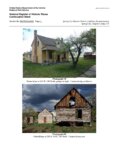
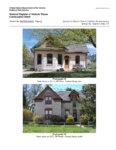
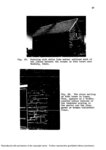
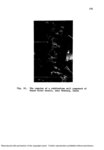
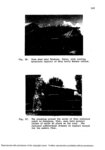
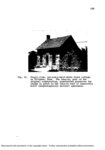
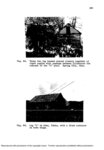
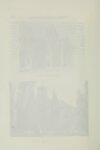
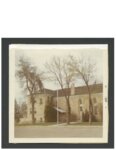
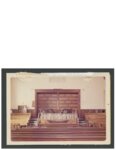
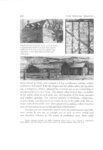
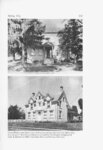
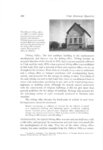
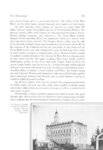
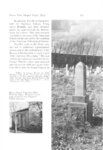
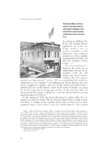
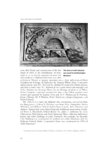
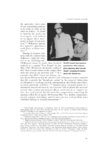
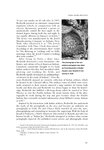
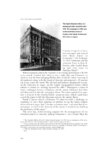
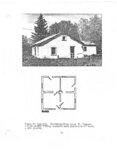
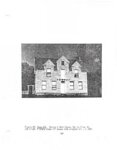
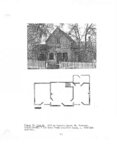
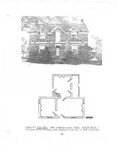
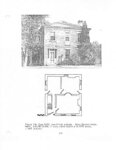
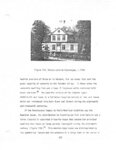
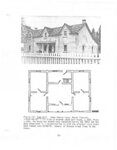
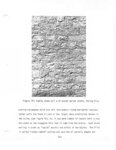
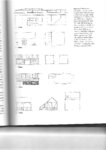
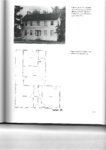
Show Figure 14: John Blain house, Spring City. This house effectively illustrates the nineteenth century folk architectural aesthetic: it is a self-contained geometric unit; its components are arranged symmetrically; and it displays an obvious, if eclectic, concern for fashion. In this case, Greek Revival cornice returns and pedimented window heads are successfully combined with Gothic Revival elements such as the centrally placed cross-gable and turned finials. nevertheless understandable to the early Mormon settlers, for by the mid-nineteenth century particular Renaissance-derived ideas about how a house should look had become universally accepted throughout the Western World. Whether they came from Denmark, Wales, or Missouri, the Saints· arrived in the valley with a set of deeply held presuppositions about what building good houses meant. 4 Architectural correctness was calculated in the valley in terms of form, the house would be a free-standing, geometric block; symmetry, it would be composed of balanced external components; and, finally, style, it would be decorated 87 |