| OCR Text |
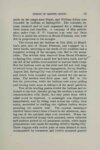
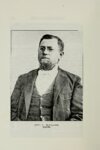
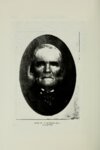
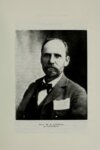
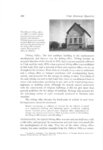
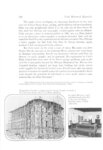
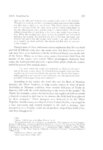
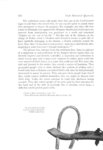
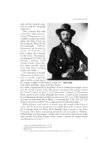
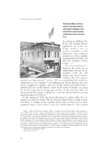
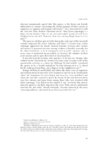
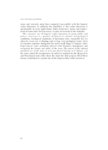
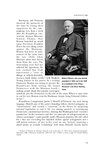
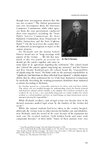
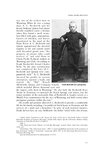
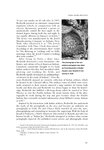
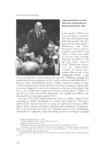
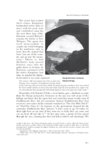
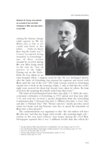
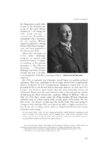
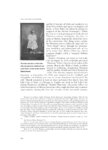
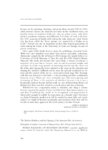
Show FALL 2013 UHQ pp 304-385_UHQ Stories/pp.4-68 9/16/13 1:25 PM Page 362 BEINECKE rArE BOOK AND MANUSCrIPT LIBrAry, yALE UNIVErSITy UTAh hISTOrICAL QUArTErLy medical wrongdoing was based on fact or not. Many claimed that the novel had no semblance of reality, while others insisted that the incidents were real, if unusual.90 Buoyed by the experience of writing his play and novels, Thurman returned to the West Coast in 1934 to write screenplays for Bryan Foy Productions. While in California and aided by his salary of more than $250 a week, he drank excessively.91 He nevertheless wrote two screenplays: Tomorrow’s Children (1934) and High School Girl (1935), which demonstrated Thurman’s readiness to discuss the controversial issues present in his previous works. Tomor row’s Children follows the Masons, a poor white family that faces sterilWallace Thurman, 1902–1934. ization as a condition of continuing to receive welfare.92 At the time, Hollywood rarely explored such situations. The film was considered groundbreaking because it used the medical term “vasectomy” to explain the procedure for male sterilization. However, as Thurman biographer Phyllis Klotman wrote, “Although the runner sensationalizes the problem and links sterilization to prevailing Nazi theory (and practice), the film is [a] rather restrained melodrama, and in general not very different from the Hollywood norm.”93 Nevertheless, because of its revolutionary subject matter, the film was banned in New York and boycotted by the Catholic Church upon its release.94 The film High School Girl, which focuses on the controversial topics of teen pregnancy and abortion, follows a girl who gets pregnant (although the word is never mentioned) because her mother never educated her about the facts of life and sexuality. She receives help only from her brother and a biology teacher. According to Klotman, High School Girl is “another message film,” which “delivers its moral punch with a mailed fist. Babies having babies was not yet an everyday occurrence, but without recourse to legal abortion, coat hanger suicides and parental guilt were not unusual in the case of unexpected and unwanted teenage pregnancies.”95 The reviews for High School Girl were less than enthusiastic. The review in the Times 90 Ibid. Klotman, “The Black Writer in Hollywood, Circa 1930: The Case of Wallace Thurman,” in Black American Cinema, ed. Manthia Diawara (New York: Routledge, 1993), 81. 92 “Tomorrow’s Children,” American Film Institute, accessed July 17, 2013, http://www.afi.com/members/catalog/DetailView.aspx?s=&Movie=4417. 93 Klotman, “Wallace Henry Thurman,” 272. An estimated 60,000 Americans were subjected to sterilization beginning around 1907 and continuing until the 1970s, especially during the 1930 and 1940s. 94 West, “Elephant’s Dance,” 86; Klotman, “The Black Writer,” 85. 95 Klotman, “The Black Writer,” 90. 91 362 |