| OCR Text |
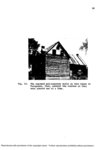
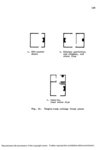
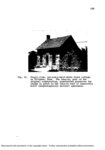
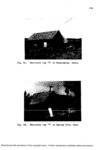
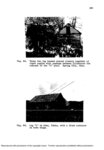
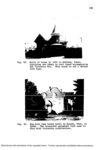
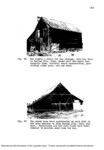
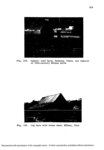
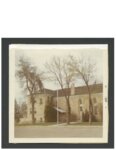
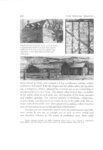
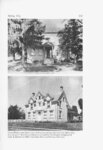
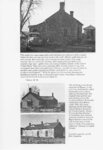
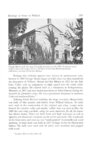
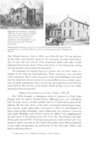
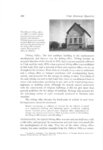
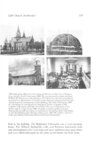
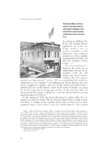
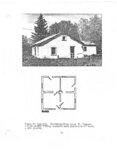
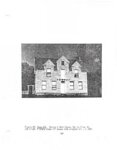
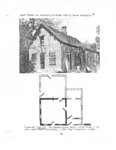
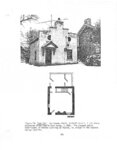
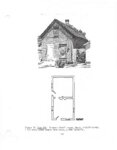
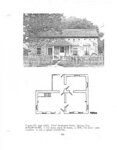
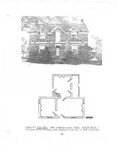
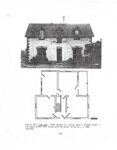
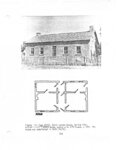
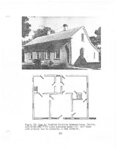
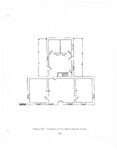
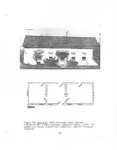
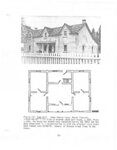
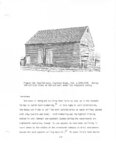
Show LDS Church Architecture 307 counsel was usually heeded faithfully, and his promotion of adobe may have caused a greater use of this material than would otherwise have been natural. Early adobe meetinghouses were characteristically small, one-room structures with walls of either solid adobe brick or log or rough frame studding with adobe brick as a liner between the studs and as an interior and exterior veneer. Compared with the early log walls, adobe walls were very thick—as much as three feet thick in some cases. Earlier buildings had crude log, brush, and dirt roofs, but as sawmills were built, lumber roof sheathing was introduced and gabled; watertight roofs appeared. T h e better meetinghouses had stone foundations, with the floor raised slightly above grade. T h e few large tabernacles started during this period were huge dugouts and had half a story below ground to permit greater ceiling height in the main assembly room. T h e old Salt Lake, Nephi, and Ogden tabernacles were built in this manner, but no examples exist today. The most noticeable difference between the earliest and later adobe meetinghouses was the presence of simple, classically styled cornices. Among the tools brought by the early pioneers were interior cornice planes and knives for milling exterior cornice molding. As lime kilns and sawmills were developed, artisans could use their plaster planes, molding knives, and other finishing tools. While the appearance of classical cornices indicated a movement toward meetinghouses that would be less vernacular and more classical in design, the first adobe meetinghouses were clearly vernacular structures. T h e window and door bays were square with wood lintels and sills; the plans were rectangular and onestoried; there were no steeples, belfries, cupolas, or decorative elements other than the cornices and perhaps some hand-made sash windows. T h e development of Mormon architecture depended upon continuously changing influences. Climate, availability of materials, human resources (including technology and taste), and many other factors affected the design of all buildings. Religious architecture was further influenced by growth patterns within the church. Not only did the membership grow, but the organizational structure of the church also grew with every new revelation and refinement of doctrine. T h e development of Mormon architecture is as much a story of change in church philosophy and expansion of church organization as it is a story of the adoption of technological or stylistic improvements. 14 14 Ebbie L^ Davis, "Form-Function Relationships in the Development of LDS Architecture" (M.A. Thesis, Brigham Young University, 1970), 2-7. |