| OCR Text |
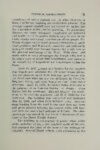
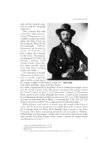
Show earlier been suggested by the churc~ leadership. Several Mount Pleasant families, desiring more land, moved northward to start the town of North Bend, which was later renamed Fairview. Two years earlier, a Welsh immigrant, John Rees, and several San Pitch tribesmen, discovered a vein of coal in one of the canyons on the west side of the valley. In 1859, Rees returned with fifteen Welsh familes to begin mining operations in what was to be the first coal mine in Utah. Coal from this site, appropriately named Wales, was hauled northward by wagon to Salt Lake City. After nearly a decade of strained but peaceful coexistence, war once again broke out between the Mormons and the local Utes under their new chief, Black Hawk. Open hostilities began in 1865 and followed much the same pattern as the earlier Walker War. The Utes were skilled raiders and though they could harass and make life uncomfortable for the Mormons, such tactics alone could not stem the tide of occupation. The two smallest communities, Wales and Fairview were abandoned, but only temporarily--the Saints soon returning in numbers sufficient to discourage further direct attacks. The reinforced Mormon militia actively pursued the Utes but were again unable to draw them into the type of battle where their superiority of firepower could become a decisive factor. A stalemate ensued but time was on the side of the Mormons, for with each passing year their strength and numerical dominance in the valley increased. Black Hawk's warriors could roam the mountains, occasionally falling upon an unguarded wagon or unsuspecting traveler, but by the 1860s the valley itself was securely in Mormon control. Black Hawk was ultimately captured and executed and the war that bore his name came to an end with the signing of a treaty in 1869. 66 |