| OCR Text |
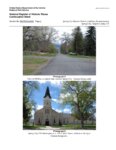
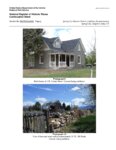
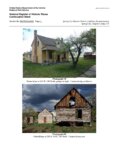
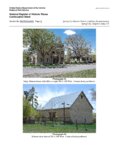
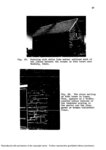
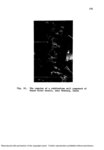
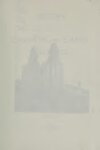
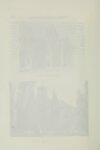
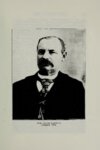
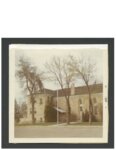
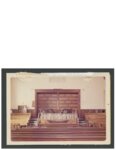
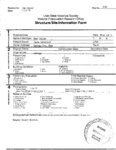
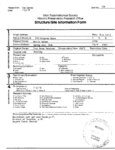
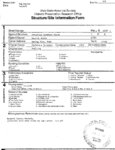
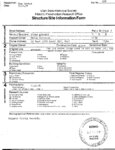
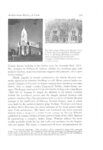
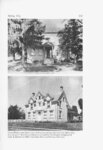
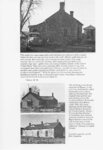
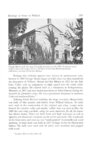
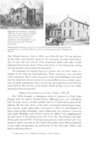
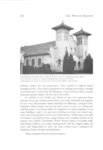
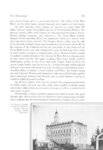
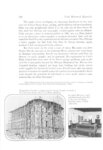
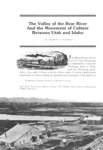
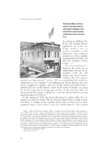
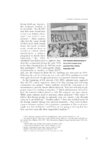
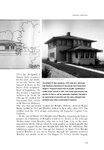
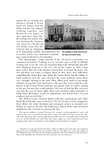
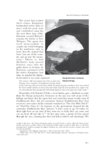
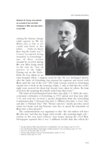
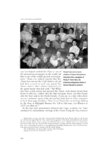
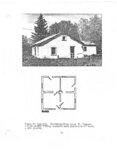
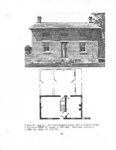
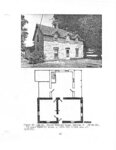
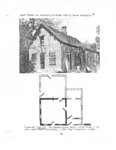
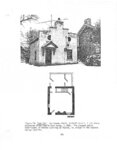
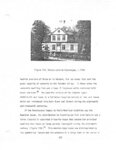
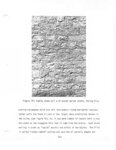
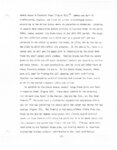
Show WINTER 2013 UHQ pp 4-90_UHQ Stories/pp.4-68 12/5/12 9:38 AM Page 56 uTAH HISTORICAL QuARTERLy The Spring City Chapel was constructed of oolite limestone AuTHOR between 1902 and 1911. the Spring City Hall, the Spr ing City Chapel, and the James Blair home. John P. Carlson was an excellent craftsman. His stonework included the Manti Temple, Spring City LDS chapel, City Hall and many homes in town; his own home is regarded as an outstanding example of his proficiency. Carlson began construction of his home in 1896 doing ever ything himself . He quar r ied, dressed, and smoothed the stone. He made lime fillings to form mortar for the 1/8-inch joints; the interior walls exposed the smoothed stone. Unfortunately, Carlson died in 1927 at age seventy-eight before construction on his home was completed. Scandinavian stonemasons who worked on buildings in Spring City included Wiley Allred, Hans Hansen, and Peter Monsen. Wiley Payne Allred was both a physician and stonecutter. He was born in Bedford County, Tennessee, the son of James and Elizabeth Warren Allred. He crossed the plains in 1851, settled first in Provo, then the Allred Settlement that became Spring City, and later contributed his skills to the Manti Temple construction. Hans Jorgen Hansen and his wife, Ane Kirsten, came from Denmark in 1859. They lived first in a dugout then a log cabin, before construction of their one and a half story rock home built in1874. Peter Monsen was a Swedish convert who built his own cut stone home between 1871 and 1883. The strikingly beautiful Spring City LDS Chapel is the most prominent of Spring City's oolite limestone structures. It is situated on the town's Main Street where its stunning architecture and white stonework set the tone for the whole town. John F Bohlin was the stone supervisor while John P. Carlson prepared the stone for the building. The stonemasons were John P. Carlson, Jens Sorensen and Lars Larsen. Architect Richard C. Watkins designed the building, which took nine years to build (1902-1911) and was dedicated in 1914 when the annex was completed. The main hall is 40 x 89 feet with a 75 foot tower, ten rooms and a seven-room annex. 56 |