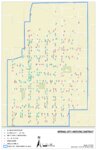
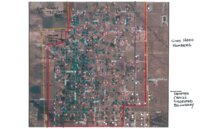
| OCR Text |
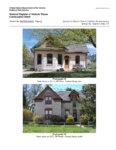
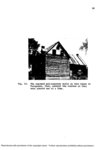
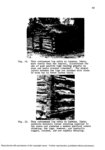
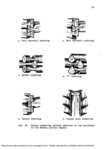
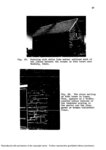
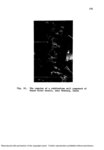
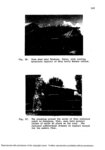
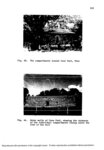
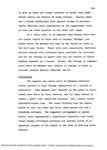
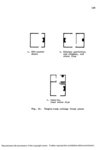
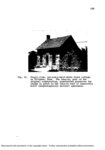
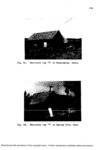
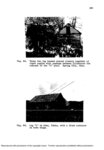
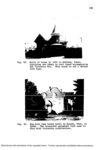
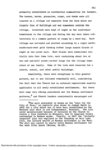
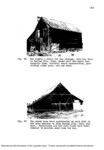
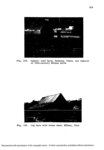
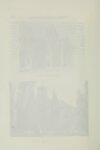
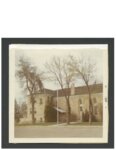
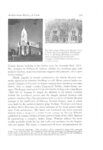
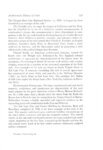
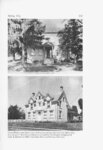
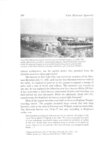
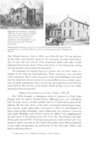
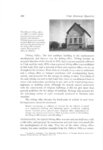
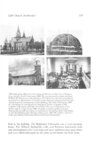
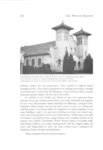
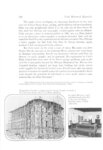
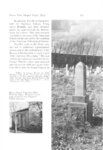
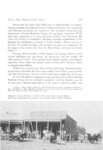
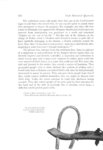
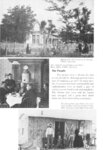
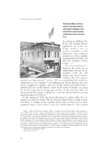
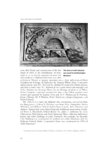
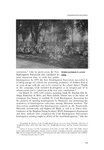
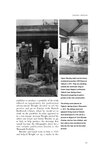
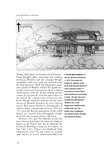
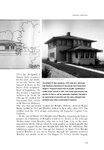
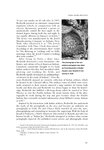
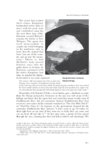
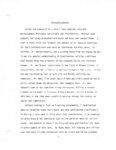
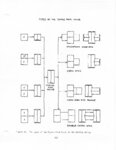
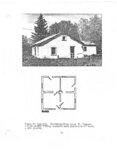
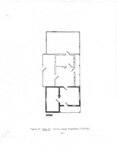
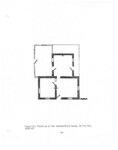
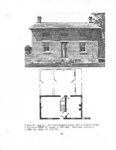
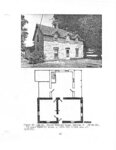
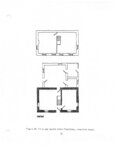
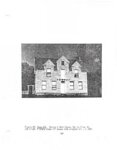
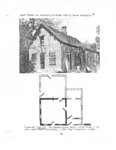
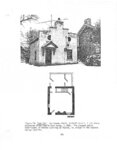
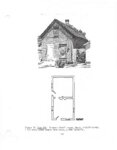
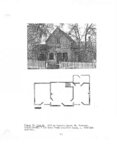
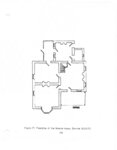
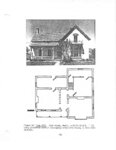
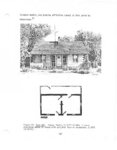
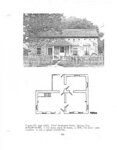
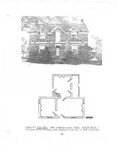
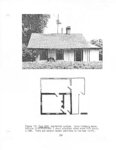
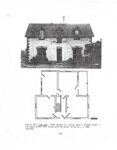
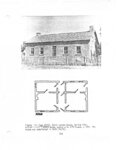
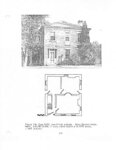
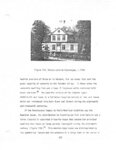
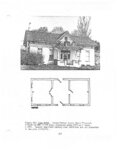
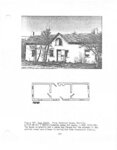
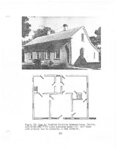
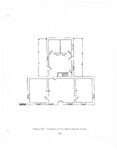
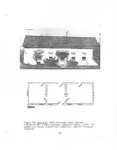
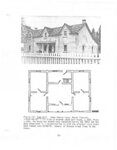
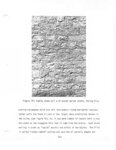
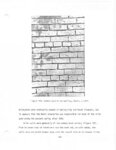
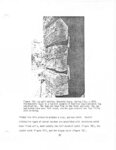
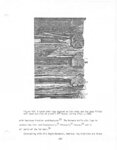
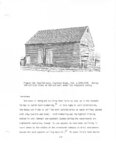
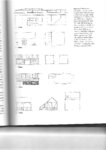
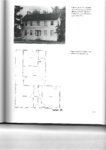
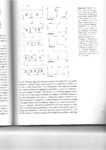
Show Spring City Historic District: Addendum Tom Carter, Architectural Historian June 12, 1980 Scandinavian Folk Building in Spring City Building Form: The Scandinavian house type found in Spring City (see figure 1) is a variant of the northern European "pair house," a three-bay plan arrangement with a centrally placed hall flanked by a pair of living rooms on each side. In Sweden, the house enjoyed widespread popularity in the 18th and 19th centuries and is called the "parstuga" type. 1 Danish examples are not as clearly defined, but the "tvillinghus" or twin house is closely related to this basic three-room floorplan.^ The pairhouse in Utah is not an exact copy of Scandinavian originals, but rather, has been modified to its new Utah circumstances. The entrance-hall, corner bake oven, and attached animal shelter of the European house failed to survive the Atlantic crossing and do not surface on Utah examples. The pair house in Spring City has a straight forward three-room floorplan, a symmetrical facade, and chimneys placed on the ridge. A similar process of component adaptation occurred on pair houses built by Finns in northern Minnnesota. There are three pair houses in Spring City, the Peter Monson house (SP-17-145), the Hans Morgan Hansen house (SP-17-150), and the Jens Jensen house (SP-17-26). Sigurd Erixon, Svensk Byggnadskultur (Stockholm: Aktiebolaget Bokverk, 1947), pp. " 2 H. Zangenberg, Danske Bondergaarde : Grundplaner og konstructioner (Kobenhavn: Det Schonbergske Forlag, 1925 j, p. 4lT————————— ^ Matti Kaups, "A Typology of Log Dwellings of the Finnish Immigrants in the Middle West," paper presented at the 33rd annual meeting of the Society of Architectural Historians," Madison, Wisconsin, April 1980. Construction Technique: Two specific northern European construction techniques are evident in Spring City architecture. The first involves the local use of specific Scandinavian log building practices and the second the use of horizontally placed purlin rafters. Log construction in the United States is traceable to two European cultural hearth areas, Germany and Scandinavia. The German tradition of log building arrived in the mid-Atlantic area during the 18th century and diffused south and westward carried primarily by Scots-Irish immigrants who found that German talents for working logs ideally suited to the heavily forested United States. This Anglo-Germanic tradition is the dominant type found in this country. 1 Scandinavian log technology was introduced into New Sweden in the 1630s, but the colony suffered from disinterest on the part of the colonial authorities and succumbed to Dutch invaders in the 1650s. Log construction techniques associated with Scandinavian tradition failed to occupy a significant place on the American scene until the mid-19th century, when immigration from northern Europe resumed into the midwest. 2 Utah, receiving a large number of immigrant converts in 1850-1880 period, also became a repository for Scandinavian log material culture. Spring City's location in |