| OCR Text |
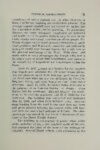
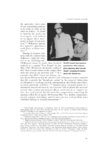
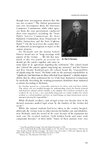
Show BOOK REVIEWS A life-long Democrat, Snow committed himself to public service. In 1894, Snow (at only twenty-nine years old) and Ivins both served in the State Constitutional Convention. After ratification and statehood came to Utah, “Tony” Ivins convinced Edward to run for the legislature. Snow served for two terms, but further ecclesiastical assignments soon occupied his time. Among these was a calling as president of the St. George LDS stake, a capacity Snow filled for the next twenty-four years. The stake at that time included the area from Ely to Bunkerville, Nevada, and from Harmony, Utah, to Mt. Trumbull, Arizona, as well as the heartland of Utah’s Dixie. To visit this vast area, Snow regularly traveled fifteen hundred miles by buggy. At the beginning of his term as stake president, Snow suggested the following goals to his fellow stake leaders: build an ice plant, get electric lights into the area, develop a water system, and build a high school. They approved. Snow promoted the building of a public school (with grades one to eight) named the Woodward School, in 1901. Woodward School’s success made it sensible to have a high school. Woodward was a public school, but Snow knew the church would more likely sponsor an academy. After the LDS First Presidency approved the building of what became Dixie College, Snow and his colleagues scoured the stake to raise matching funds for the church donation of $20,000. The Stake Board of Education directed the college until 1935, when the State of Utah took it over. All during his stake presidency, Snow promoted economic development. He owned a flour mill and several farms and founded the St. George Bank. Yet Snow faced the challenge of geographical isolation because the railroad never reached St. George, which limited economic growth. In 1930, Snow thrilled to watch as the Arrowhead Trail (with his support) became Highway 91. Sarah Hannah Snow was a powerful supporter of her husband’s career. Initially she feared that Edward would bring a second wife home from his mission, but he remained a determined monogamist throughout his life. Some women may have envied Hannah’s large home and other advantages, but her life was challenging. Edward’s many positions required him to leave home often and required her to regularly host church, state, and financial officials. Further, the couple had seven children, the youngest born when Hannah was forty-five years old. In 1931, the LDS church released Snow as stake president and called him to serve as the president of the St. George Temple. Meanwhile, he had worked nearly full-time in Salt Lake City since 1925 as chair of the State Board of Equalization and Assessment. Snow felt strongly about reforming the state’s tax structure. As an outspoken Democrat, he had considerable influence in writing the legislation that led to the creation of the State Tax Commission. That passed the legislature in March 1931, following a tough 195 |