| OCR Text |
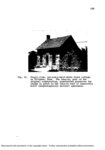
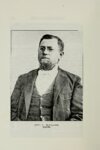
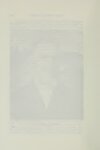
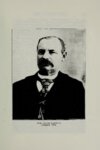
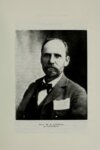
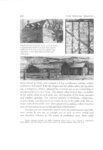
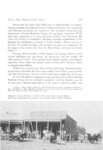
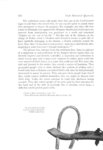
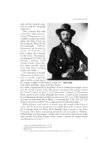
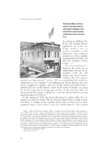
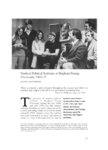
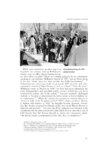
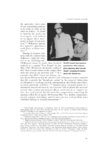
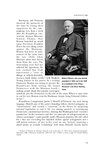
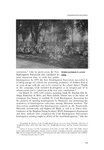
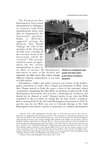
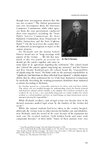
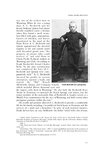
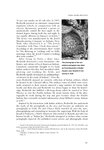
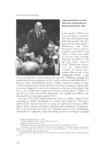
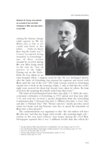
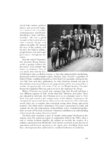
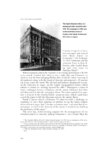
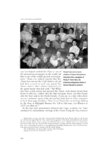
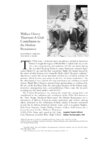
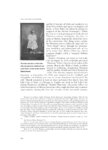
Show WINTER 2013 UHQ pp 4-90_UHQ Stories/pp.4-68 12/5/12 9:38 AM Page 29 essential qualities besides quick-wits and nerve—they were “strong enough to bear heavy manual labor;” they were a “g regar ious sort, who could drink and roughhouse;” and they were “American enough to keep faith with Pinkerton and civilization.” Many of the secret agents also were unmarried; a desirable characteristic for their type of work, so if worse came to worse they “wouldn’t leave behind a widow and a brood of helpless babes.”12 Some union leaders maintained there was another requirement for an effective labor spy—treacher y. Dur ing the Molly Maguire trial, one of the defense attorneys, Charles A. Siringo worked as an in describing McParland, said, “This man undercover agent out of the who will take you to his bosom, gain your Pinkerton’s Denver office for five confidence and stealthily work upon your years during the 1890s. affections, your favor or your esteem, and then like a viper turn upon you and betray you, ought to be condemned by every honorable and right-thinking person.”13 In 1891, the Pinkertons were associated with another high profile dispute between labor and management in Coeur d’Alene, Idaho, when mine owners employed operatives from several agencies to infiltrate the local unions in the district’s mining camps. One of those agents was Charles A. Siringo, a tough and resourceful forty-four-year-old “cowboy detective” who had worked undercover out of the Pinkerton’s Denver office for five years. Siringo had his work cut out for him. The miners were constantly on the lookout for spies and only a few weeks before Siringo arrived, they had run a detective from another agency out of town. Under the name C. Leon Allison, Siringo obtained work as a mucker for the Gem mine and then 12 Lukas, Big Trouble, 178; Aiken, Idaho’s Bunker Hill, 50. According to Aiken, “most of the operative reports emphasized how taxing the detectives found their undercover employment to be; the operatives often stayed home from work because they were too tired or the work was too difficult.” 13 Lukas, Big Trouble, 187. 29 WIKIPEdIA LABOR SPIES |