| OCR Text |
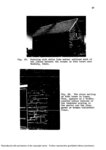
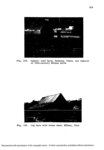
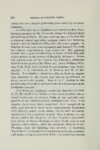
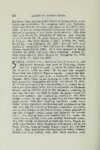
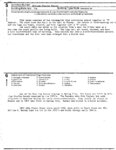
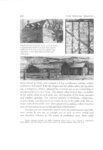
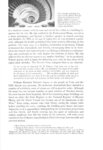
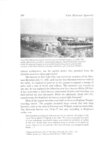
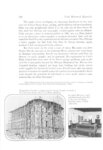
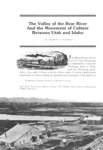
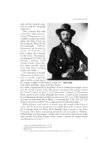
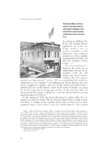
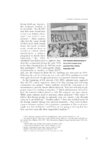
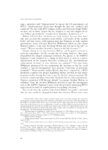
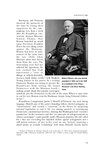
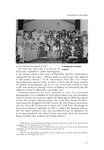
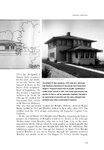
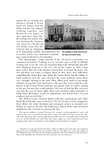
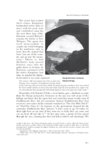
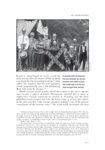
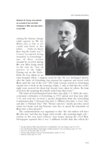
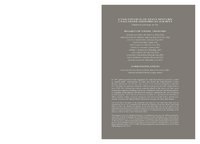
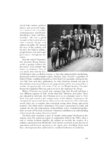
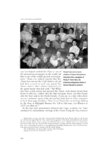
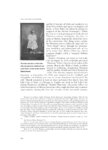
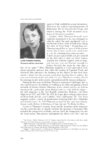
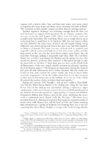
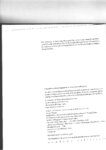
Show FALL 2013 UHQ pp 304-385_UHQ Stories/pp.4-68 9/16/13 1:25 PM Page 342 UTAh STATE hISTOrICAL SOCIETy UTAh hISTOrICAL QUArTErLy most of his superiors at the paper, but Van A graduation photograph from Anda’s comment to him the next day when Lowell School, Salt Lake City, they passed in the hall was “‘We would have 1895. Isaac Russell appears to be got [Bride’s account] anyhow.’”57 on the back row, second from the After his work on the Titanic story, Russell right. His classmates included the continued to gain prominence, working for artist Mahonri Young and his the Times for three more years and contribut- brother Waldemar (who also ing muckraking articles to Collier’s Weekly, attended Stanford with Russell); Harper’s Weekly, Pearson’s Magazine, World’s Work, and other magazines. Then in June Clarence Neslen, a future mayor 1915, the Times fired him for covering a con- of Salt Lake City; and several troversial speech made by Amos Pinchot. children from prominent local Together with his better-known brother, families. Gifford, Amos had supported Theodore Roosevelt for years. By this point, however, the relationship between the brothers and the former president was strained, and Russell reported that the Pinchots had decided to break with Roosevelt. 58 When Roosevelt learned that the Times had “summarily fired” Russell for writing the article, he “never paused until he had hunted me up and got me a new job. And 57 Russell, unpublished manuscript on his visit with Harold Bride, 9–10, Russell Papers. Russell’s explanation of the break embarrassed Gifford Pinchot; as a result, both brothers accused him of misreporting Amos’s speech. [Isaac Russell], “Pinchot Renounces Allegiance to T. R.,” New York Times, May 31, 1915; “Pinchots Deny They Renounced Colonel,” New York Times, June 1, 1915. Van Anda’s take on the story that led to the firing was that Russell had “reported a ‘conclusion, not a fact.’” Tifft and Jones, The Trust, 805. Characteristically, Russell wrote an envenomed letter to the Times’s editor, asserting that he had reported the speech correctly and complaining that he had not received a fair hearing before being fired. Isaac Russell to the Editor of the New York Times, n.d., box 15, fd. 17, Russell Papers; see also Isaac Russell to Arthur Greaves, June 15, 1915, box 5, fd. 1, Russell Papers. He sent another letter to the staff of 58 342 |