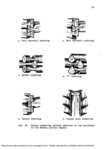
| OCR Text |
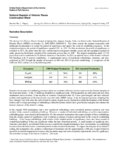
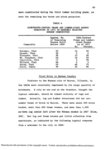
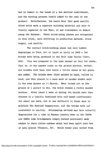
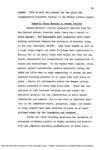
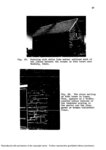
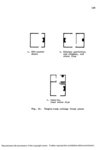
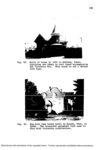
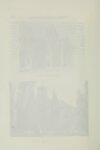
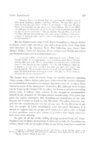
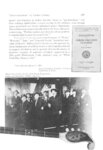
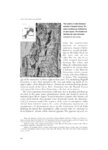
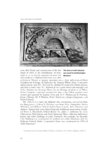
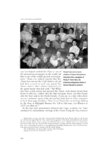
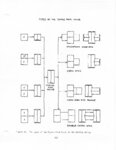
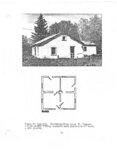
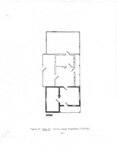
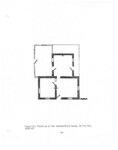
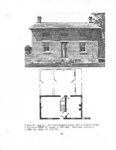
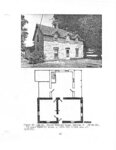
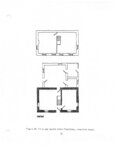
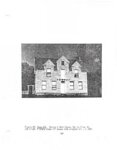
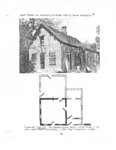
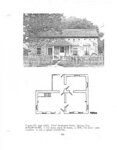
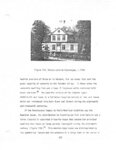
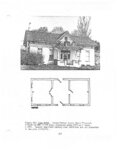
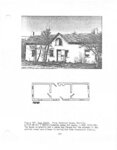
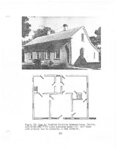
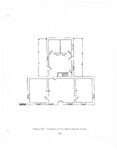
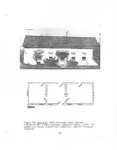
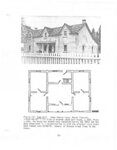
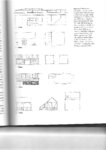
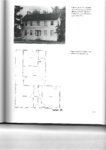
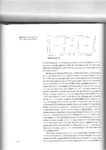
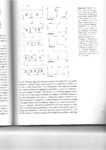
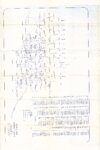
Show larger square unit is flanked by a pair of smaller rectangles in the form of Y1XY 1; third, there is a string of unevenly sized rooms, ZXX or ZXY 1; and finally, two rectangles may be divided by a smaller square room, Y1x2v1 • The exact way in which the geometric units were combined into the working ground plans is not clear. While studies in Virginia by Glassie and Dell Upton indicate that house~ there were laid out "in the clear," that is, the size of the desired internal space was determined before adding the dimensions of the walls, this does not appear to have been the case in the Sanpete Valley. 42 The internal measurements of the recorded houses are so uneven--14 6", 15 8", 16'3" are regularly 1 1 encountered room dimensions, that it is unlikely that houses were planned from the inside out. More regular dimensions are found in the external house measurements and it is possible that the Sanpete builders laid out a ground plan or foundation which conceptually included the desired geometric units. Jens Christian Andersen Weibye, a Danish , immigrant, sketched in his diary a plan for a house he constructed in Manti in 1865. This plan included only the outside dimensions (figure 19). 43 Weibye's diary also contained a drawing of the floorplan of the completed house which shows that the intended result was an XY 2 house. It is possible that Weibye first conceptualized the house as two rooms, X and Y2 , then determined the desired dimensions for these room shapes, which were then combined into the longer rectangle that formed the whole--the geometric block which was the ultimate planning objective (figure 20). With the base structures in place, the builder was ready to begin composing the house itself. The basic rules used in the valley are 101 |