| OCR Text |
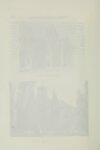
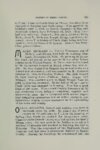
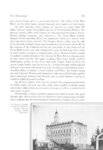
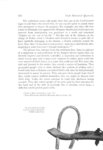
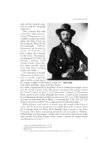
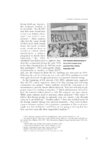
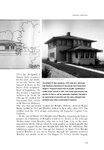
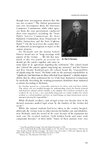
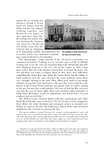
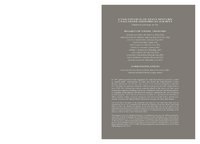
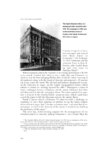
Show WINTER 2013 UHQ pp 4-90_UHQ Stories/pp.4-68 12/5/12 9:38 AM Page 37 LABOR SPIES The motto and symbol for the Pinkerton’s National Detective Agency was well known to Utah who ten days before had gone on a drunken binge through Boise saloons— smilingly acknowledged the witness’s attention.” 44 Darrow, who was apparently annoyed by Riddell’s cheek, described him as a “grinning hyena,” and referred to the agency in general as a bunch of “slimy Pinkertons.”45 The Eureka Reporter, which closely monitored and reported on the trial, expressed moral outrage at Riddell’s covert activities. “There is absolutely nothing of a secret nature about the doings of our union and our meetings might as well be open to the public said a well-known member of the local branch. These spies are sent out for the purpose of stirring up trouble— nothing else. The members here know that on several occasions this man Riddell tried to incite union men to do things which would have put our organization in an unfavorable light.”46 On May 20, 1907 the Deseret News ran an article about another Pinkerton agent, W. H. Adams, who was exposed as a spy while serving as a union official in Bingham. Adams, after being elected as the union’s corresponding secretary, had forwarded the minutes of all of the organization’s secret meetings to the Pinkerton regional office in Denver. The detective was described as “a pleasant appearing young man, about 30 years old, who rapidly won favor as a member of the union.” Suspicion first arose against Adams after he missed a union meeting and he was “overly anxious” to see the minutes from the meeting. When Adams subsequently repeated the request each time he was absent, he was shadowed and he was “finally caught with the goods and was told to decamp from town.” The secretary of the union, E. O. Locke, maintained that the fact Adams was allowed to leave peaceably instead of receiving “drum head treatment,” was evidence the union had “nothing to conceal and our records will stand all rigid inspection.” According to Locke, miners were upset that Adams had betrayed their trust, not because of any damage he had done to the union. “To know that he has done what he has only arouses in us the contempt anyone would have for one who plays false, but there is no resentment, 44 Lukas, Big Trouble, 688. Ibid, 706. 46 Eureka Reporter, June 7, 1907. 45 37 WIKIPEdIA and Western miners. |