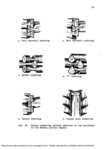
| OCR Text |
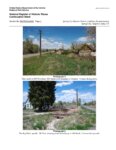
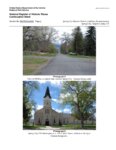
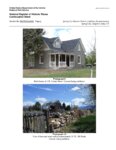
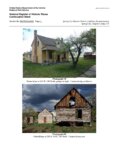
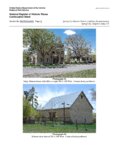
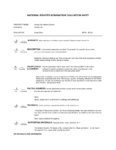
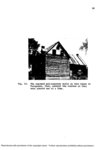
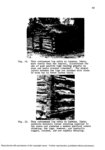
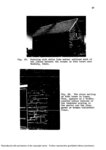
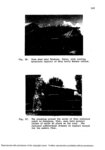
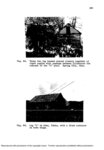
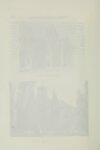
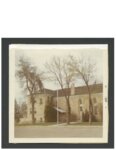
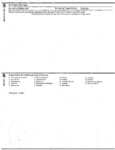
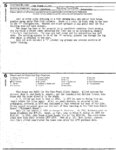
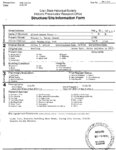
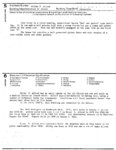
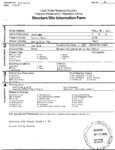
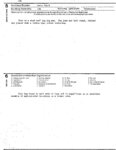
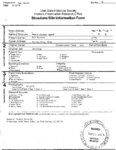
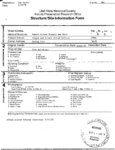
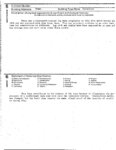
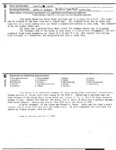
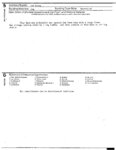
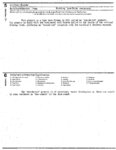
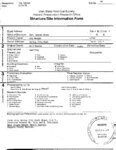
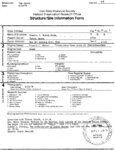
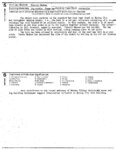
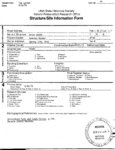
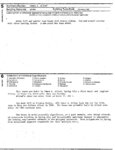
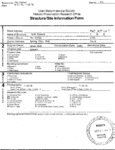
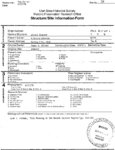
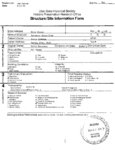
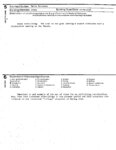
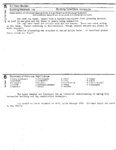
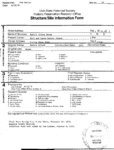
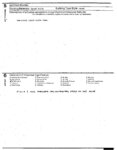
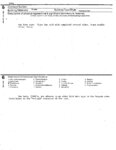
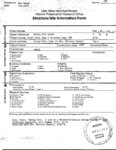
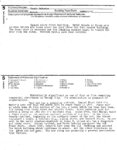
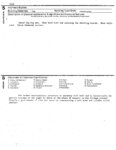
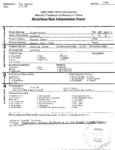
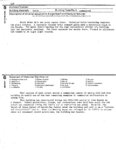
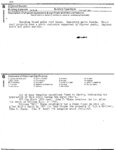
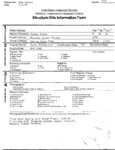
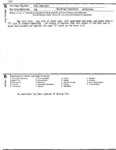
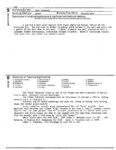
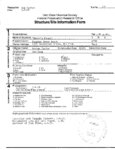
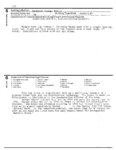
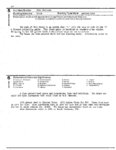
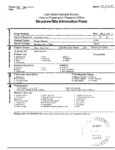
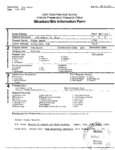
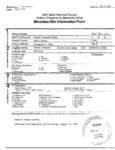
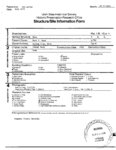
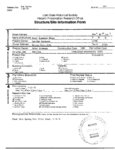
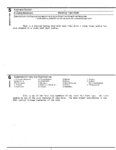
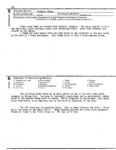
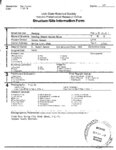
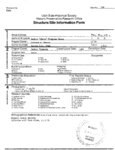
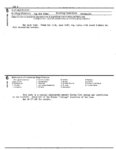
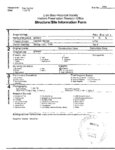
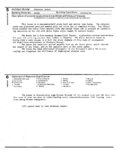
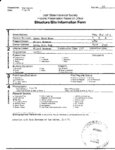
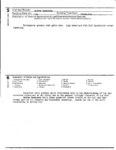
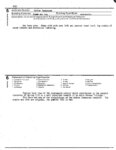
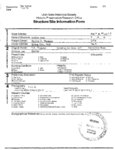
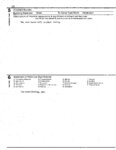
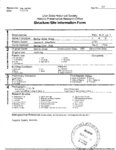
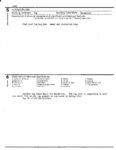
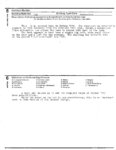
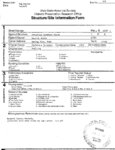
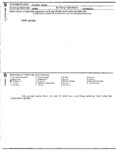
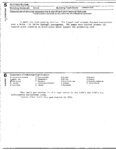
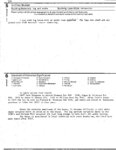
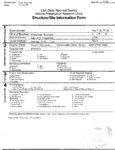
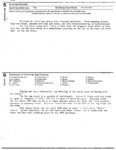
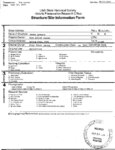
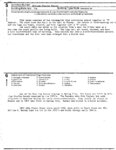
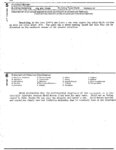
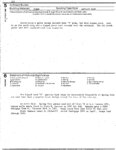
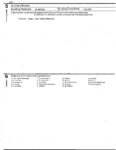
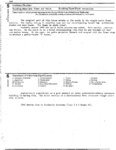
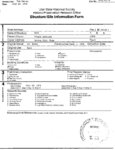
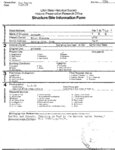
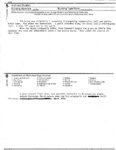
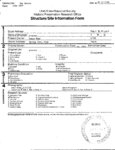
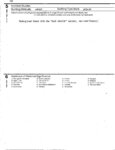
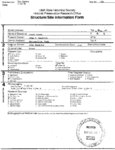
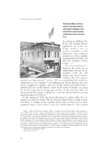
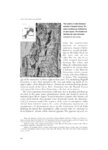
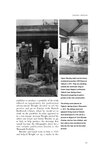
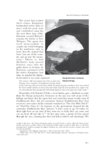
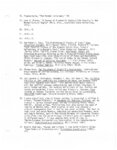
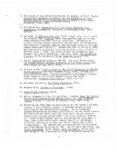
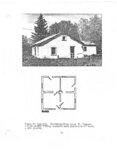
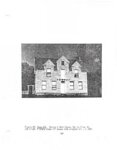
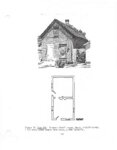
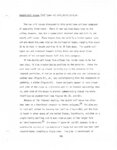
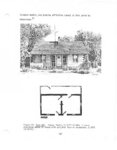
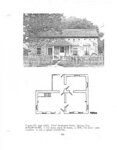
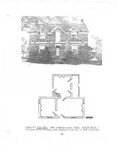
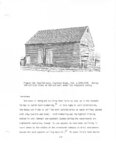
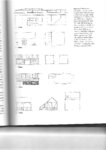
Show w OC . £ [jj Architect/Builder: Building Materials: log Building Type/Style: vernacular —————————————————————————-——————————————•————————•-———————•——————————————————'——————'————————•——————————————————————————————————————————— Description of physical appearance & significant architectural features: (Include additions, alterations, ancillary structures, and landscaping if applicable) H x • & • .."----... • The granary is rectangular in plan with the door on the broadside of the gable ridgeline. The logs have been hewed and left round on top and bottom. Chinking of mud and wood strips fill the interstices between tiers. The corner notching is frV" type. g Statement of Historical Significance: D D D D D j£ O </J I • Aboriginal Americans Agriculture Architecture The Arts Commerce D D D D D Communication Conservation Education Exploration/Settlement Industry D D D D D Military Mining Minority Groups Political Recreation D D D D Religion Science Socio-Humanitarian Transportation Such a granary is problematic because it seemingly contradicts certain patterns of log building visible in Spring City. Nielsen was a Dane and tradition has it that he built this granary. Yet the techniques employed are not Scandinavian in orgin. The hewi] the presence of chinking, and the tTV" notch are all reminiscent of log work traceable to Germanic cultural orgins and widely disseminated through the United States by'AngloAmerican settlers. Questions remain about such a structure: Did Nielsen actually build it? If so, why did he chose an unfamilar method of log work? |