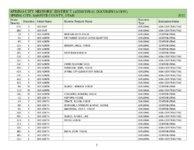
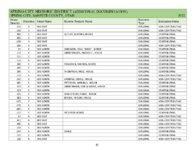
| OCR Text |
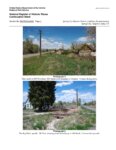
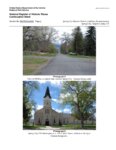
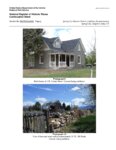
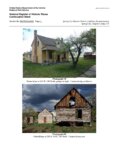
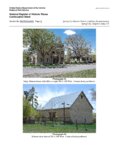
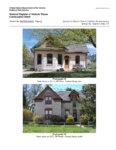
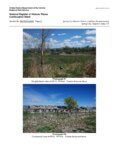
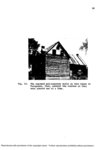
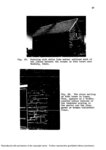
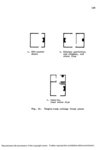
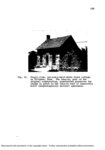
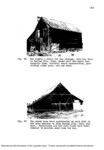
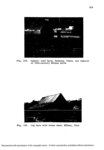
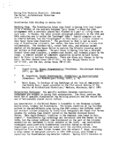
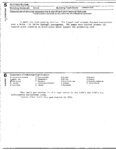
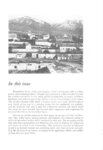
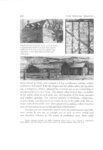
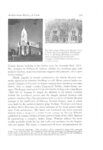
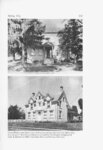
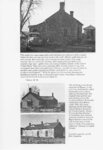
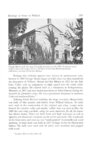
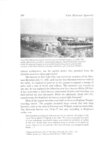
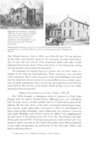
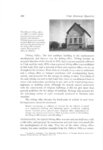
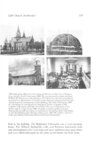
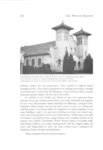
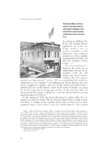
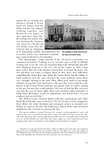
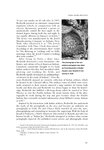
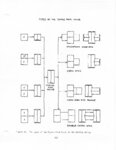
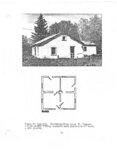
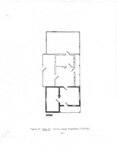
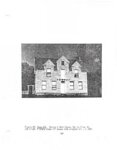
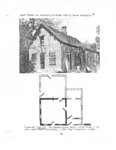
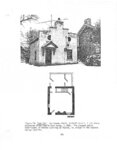
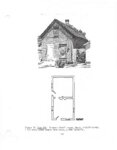
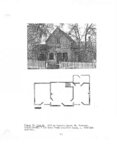
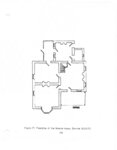
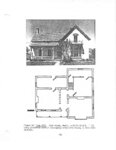
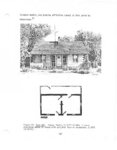
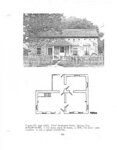
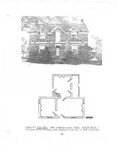
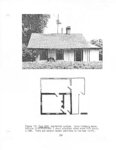
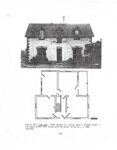
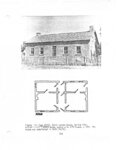
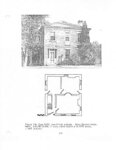
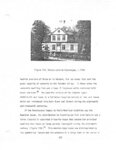
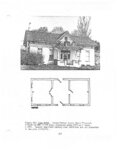
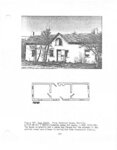
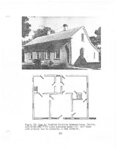
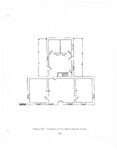
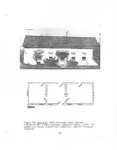
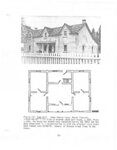
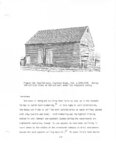
Show FHR-8-300A (11/78) UNITED STATES DEPARTMENT OF THE INTERIOR HERITAGE CONSERVATION AND RECREATION SERVICE NATIONAL REGISTER OF HISTORIC PLACES INVENTORY » NOMINATION FORM CONTINUATION SHEET ITEM NUMBER 7 PAGE 2 Outside of these few buildings with strong religious links and a small commercial area on Main Street, Spring City is predominantly residential. While modern intrusions do occur (and are occurring with more frequency), the ambience of the town remains strongly that of the rural farm village. Most of the streets are unpaved, town lots retain a high percentage of the original outbuildings, picket fences continue to grace many lots, and it is not uncommon in the spring and fall to witness large flocks of sheep being driven through the main streets. Architecturally, the town is overwhelmingly vernacular in character. Folk house types from the 1865-1890 period comprise over one-third of the extant total, and range from one room cabins to two-story hall and parlor houses. Adobe and stone are the most common building materials; though log, frame, and brick are also in evidence. Nearly all of the barns and granaries found in town follow traditional patterns. Tfoe origins of the folk designs reflect the overall diversity of the settlement population. Yankees and Southerners brought along familiar house plans from their eastern homes, and Danes (a sizeable percentage of the population) brought along Old Vforld houses such as the "parstugen" (see SP-17-26, SP-17-145, SP-17-150). In general, folk styles predominate and generate much of the nineteenth century quality of the town. Pattern book styles of the 1880-1910 period make up about another one-third of the town's architecture. Economic prosperity during the later nineteenth century enabled Spring City residents to emulate architectural fashions found in population centers like Salt Lake City and Provo. Carpenter-builder designs were made available in Sanpete Valley through architectural pattern books. As a result, hip roofs gradually replaced the simple gable (SP-17-18), pyramid cottages with projecting gables became extremely popular (SP-17-156, SP-17-229), and several successful entrepreneurs created elegant monuments to their own prosperity the John Baxter Sr. House (SP-17-178), the Brail Ericksen House (SP-17-257), the William Osborne House (SP-17-73), and the Jacob Johnson House (SP-17-24) are rather large and picturesque renderings of the pattern book style. Builder's manuals also introduced the bungalow to Spring City. While several good bungalows can be found within the town limits, these buildings make up only about one-tenth of the housing stock.^ Intrusions into the historic district occur in the form of mobile and prefabricated homes and variations of the ranch styles of post World War II years. In 1973 there were thirteen trailers in town; today there are about twenty-two. About thirty ranch-style houses are found in Spring City, mostly built in the 1970s. Alterations of older houses occasionally detract from the visual nature of the district, but severe modification is minimal. |