| OCR Text |
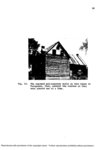
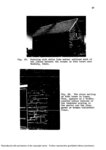
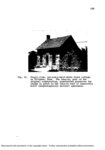
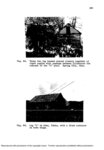
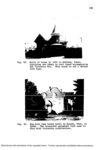
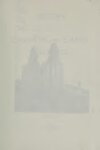
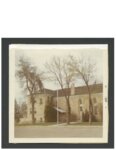
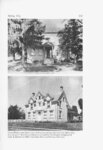
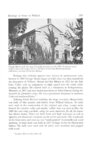
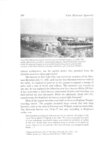
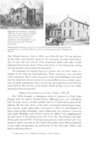
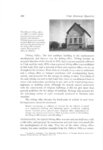
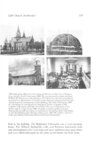
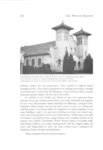
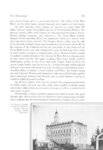
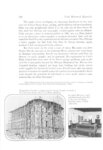
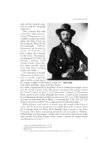
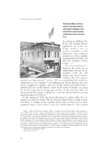
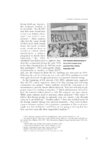
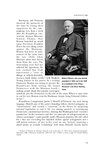
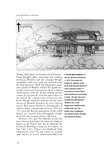
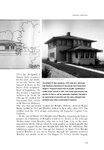
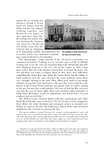
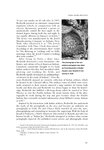
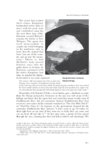
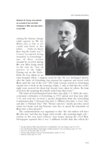
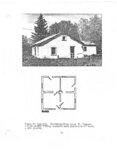
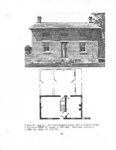
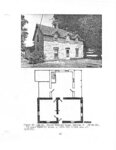
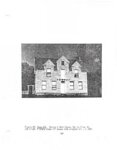
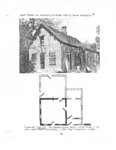
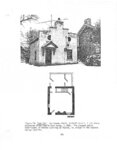
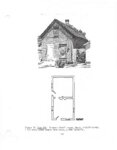
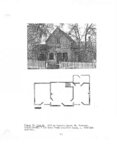
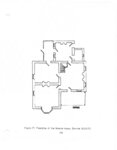
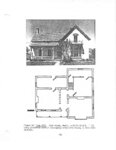
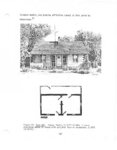
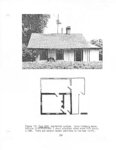
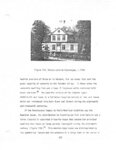
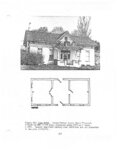
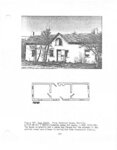
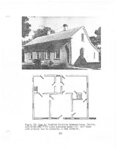
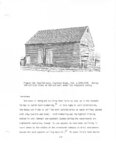
Show WINTER 2013 UHQ pp 4-90_UHQ Stories/pp.4-68 12/5/12 9:38 AM Page 53 AuTHOR SANPETE OOLITE LIMESTONE the mid 1880s. The limestone later showed Shoemaker-Cox-Parry Home in the ravages of time and weather, and was sup- Manti was constructed of locally plemented by more durable granite in 1951.13 quarried oolite limestone in 1858. The most spectacular structure in Manti, the Manti LDS Temple, was constructed of oolite limestone from 1877 to1888. The temple is luminous, and under a combination of light from the setting sun and floodlight illumination, appears to float in the sky in the evening light when viewed from many miles away. The beautiful building is the result of the work of William Harrison Folsom, the architect for the temple, and Edward L. Parry, the master mason. The temple walls, with buttresses and crenellations, resemble a medieval fortress. The two towers were designed in French Second Empire style with mansard roofs and dormer windows all related in a harmonious manner. Folsom rejected the traditional American religious architecture of spires and cupolas. The completed building appears more like a great mansion than a conventional church or cathedral. Folsom also designed the Manti Tabernacle built of oolite stone, but the Manti Temple was his crowning achievement.14 Ephraim, formerly named Pine Creek and then Cottonwood, was settled 13 Senate Document No. 12, 82nd Congress, 1st session, March, 1951, 25 pages. Stonemason William Ward was one of the four English stone carvers described by Carol Edison in “Custom-made gravestones in early Salt Lake City: The Work of Four English Stone Carvers,” Utah Historical Quarterly 56 (Fall 1988): 312-17. 14 Paul L. Anderson, “William Harrison Folsom: Pioneer Architect,” Utah Historical Quarterly 43 (Summer 1975): 254-55; V. J. Rasmussen, 1988, The Manti Temple, (Manti: Manti Temple Centennial Committee, 1988), 8. 53 |