| OCR Text |
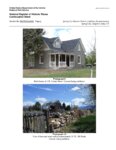
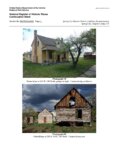
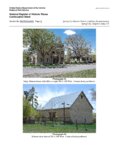
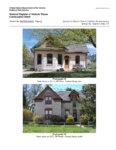
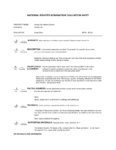
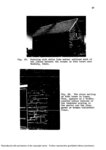
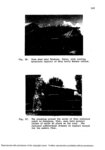
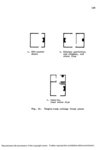
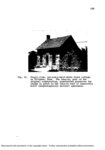
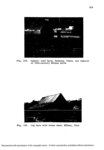
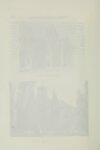
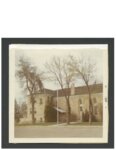
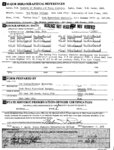
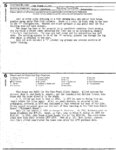
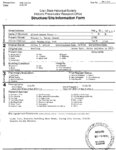
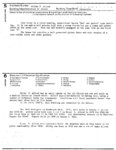
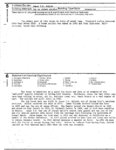
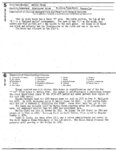
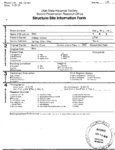
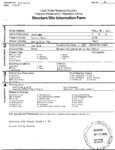
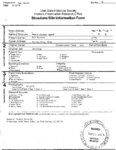
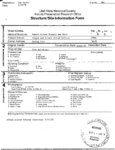
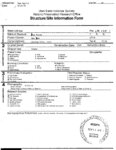
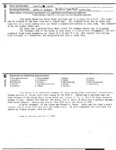
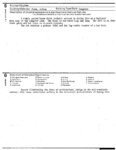
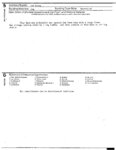
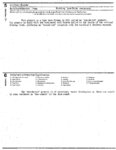
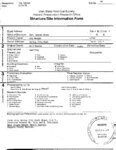
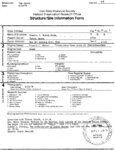
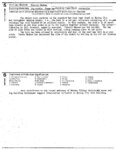
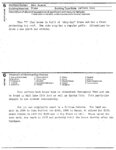
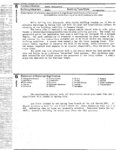
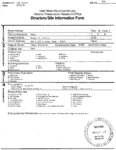
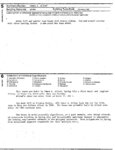
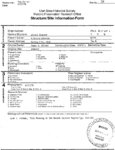
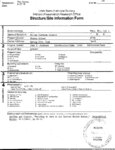
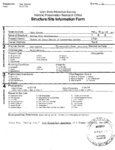
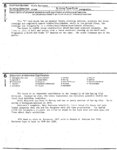
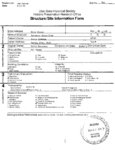
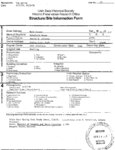
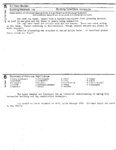
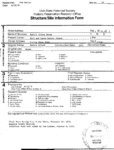
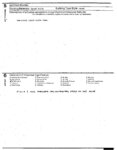
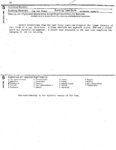
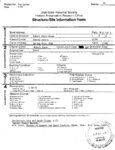
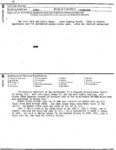
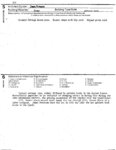
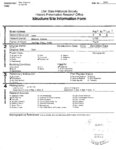
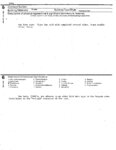
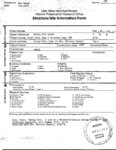
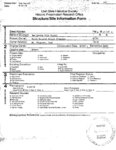
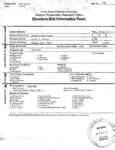
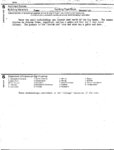
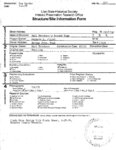
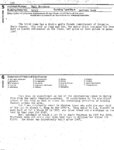
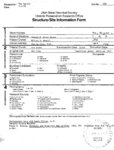
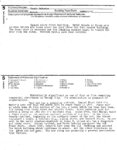
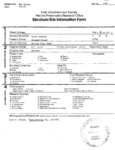
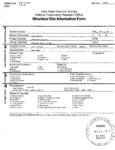
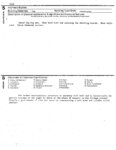
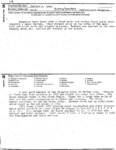
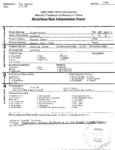
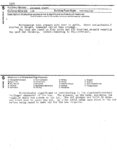
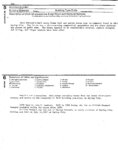
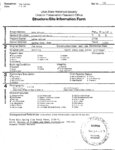
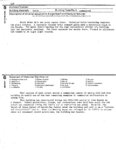
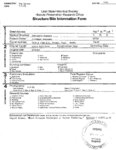
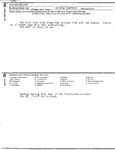
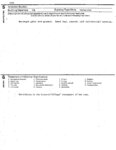
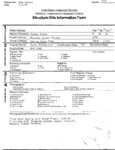
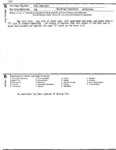
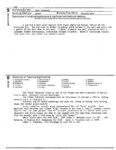
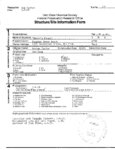
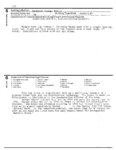
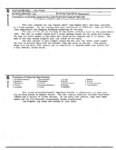
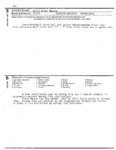
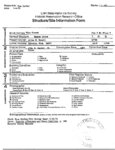
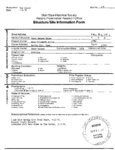
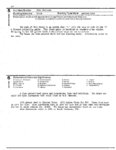
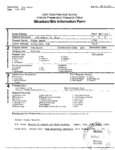
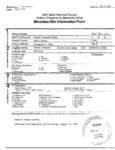
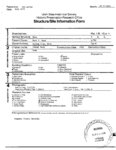
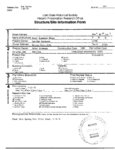
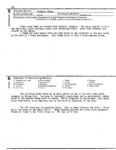
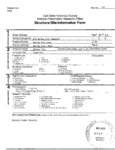
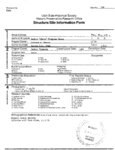
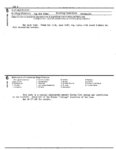
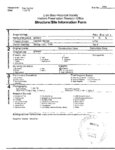
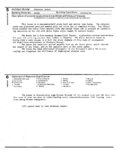
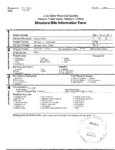
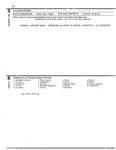
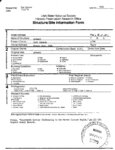
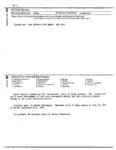
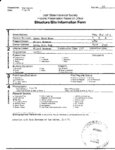
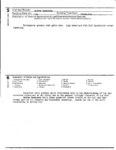
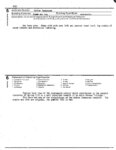
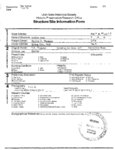
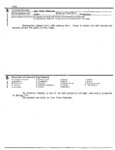
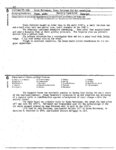
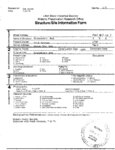
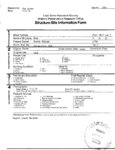
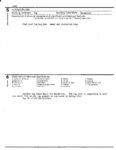
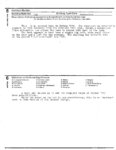
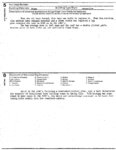
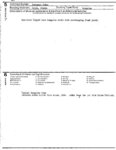
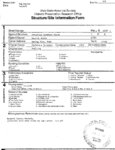
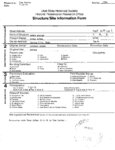
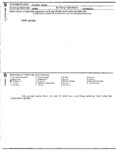
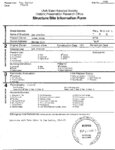
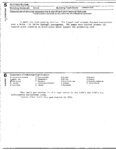
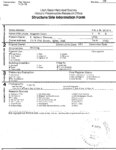
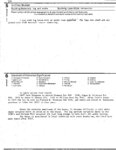
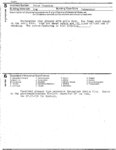
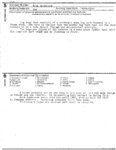
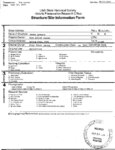
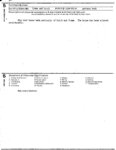
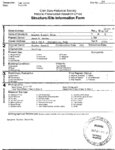
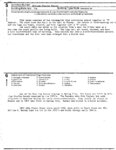
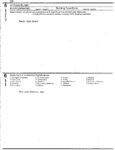
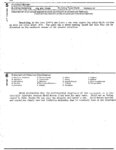
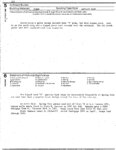
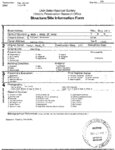
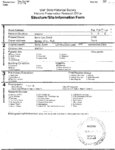
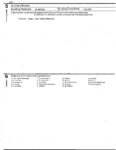
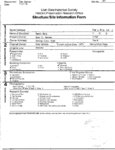
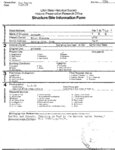
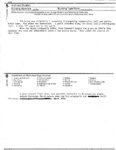
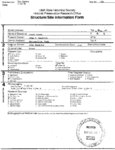
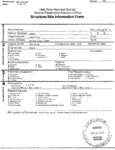
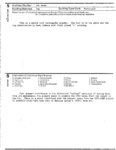
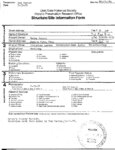
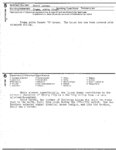
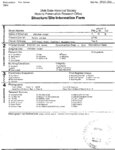
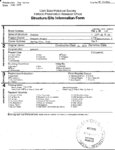
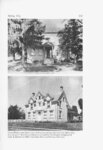
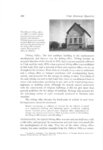
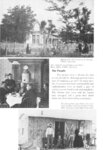
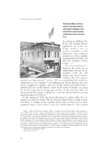
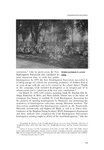
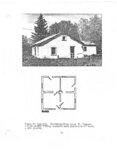
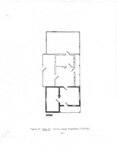
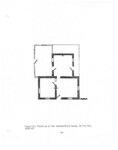
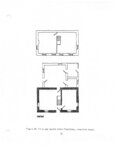
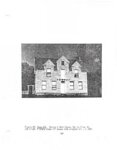
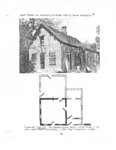
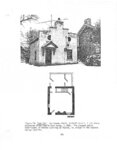
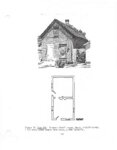
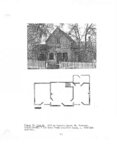
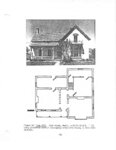
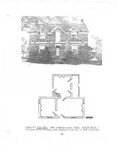
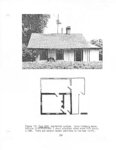
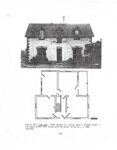
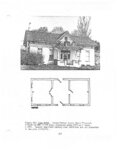
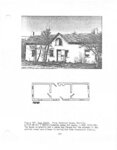
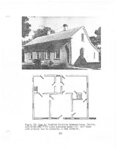
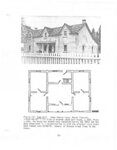
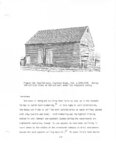
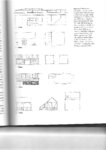
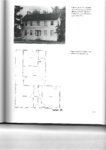
Show 5 Architect/Builder: Joseph Beck Building Materials: yellow brick Building Type/Style: pattern book Description of physical appearance & significant architectural features: (Include additions^ alterations, ancillary structures, and landscaping if applicable) This pattern book .houses type was popular in Utah around the turn-of-the-century and particularly so in Spring City, The roof is still gabled but the plan has been broken into an irregular arrangement in the move away from the strict rigidity of folk styles. The house is local yelliow brick with radiating brick work around the doors and windows. It is one-and-a-hal^ story and has cement block additions on the south and east sides. I Statement of Historical Significance: D D Si D D Aboriginal Americans Agriculture Architecture The Arts Commerce D D D D n CommunicJition Conservation Education j Explorationj'Settlement Industry O D D D D Military Mining Minority Groups Political Recreation D D D D Religion Science Socio-Humanitafian Transportation Architecturally important as a well preserved carpenter-builder house type from the early twentieth-century. lot owned by Springtown branch of the LDS Church through 1897, when the land is sold for $300. The school boa d sells to Myren Allred in 1903 for $275, then to Simon T. Beck in 1903 and to Joseph Beck in 1911. Beck built the house after the 1911 purchase, and sold it to his son in the L940's. Beck was one of the sons of Simon T. Beck. |