| OCR Text |
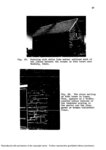
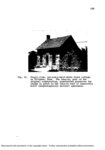
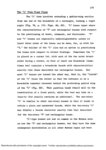
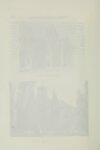
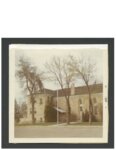
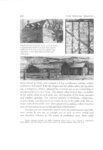
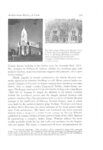
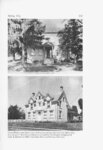
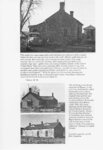
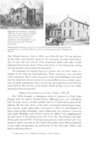
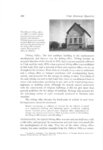
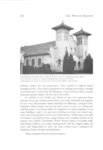
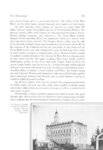
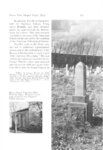
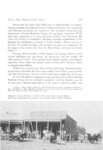
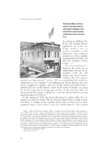
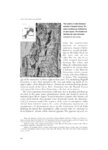
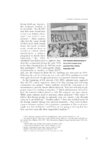
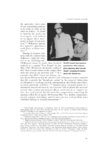
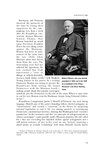
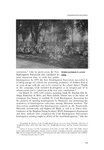
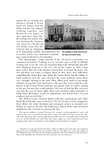
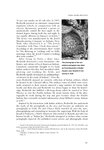
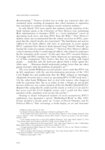
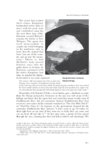
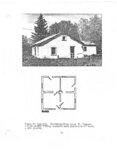
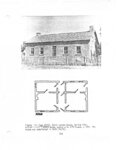
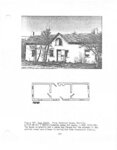
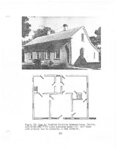
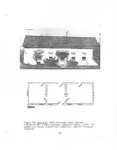
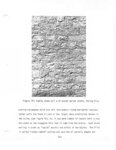
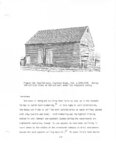
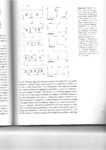
Show 310 Utah Historical Quarterly Typical of early vernacular structures) the West Jordan rock meetinghouse used indigenous rock and only slight decorative elements. Utah State Historical Society collections. forms using local building materials were enhanced and dignified with classical Greek detailing. Many pioneer artisans whether from New England or Europe, were acquainted with Greek detailing. The style permeated every conceivable type of building, and early meetinghouses were no exception. A majority of the Salt Lake City wardhouses built in the late 1850s through the late 1860s were Greek Revival in style.17 The few meetinghouses not built under stylistic influence in this period continued to follow vernacular patterns. Factors other than stylistic also affected Mormon architecture during prerailroad days. In 1857-58, when the church recalled its missionaries and converts to Zion, the influx of people resulted in the building of many new and larger meetinghouses. Technology also became more advanced, as such items as window sashes and glass were manufactured locally. Kiln-dried bricks began to appear in the early 1860s but were not used in many meetinghouses until the 1870s.18 Several stone churches were built in the 1860s, the rock churches in West Jordan, Parowan, and Farmington being among the best extant examples. A few frame buildings were also erected. Of these, only the outstanding Pine Valley meetinghouse (1868-84) remains. 17 Stylistic comparison based on the author's extensive photograph collection of historic Mormon architecture. 18 Pitman, "Folk Housing," 83-89. |