| OCR Text |
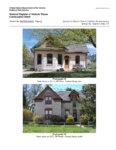
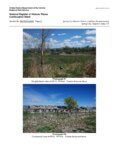
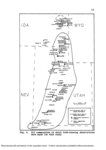
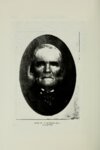
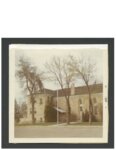
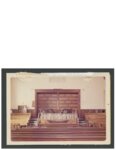
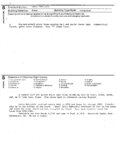
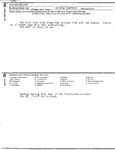
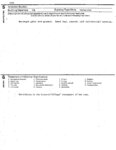
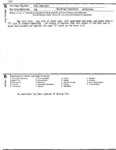
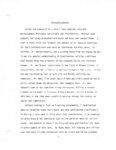
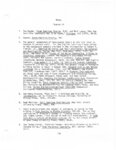
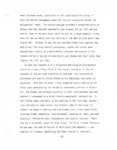
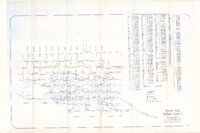
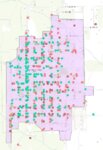
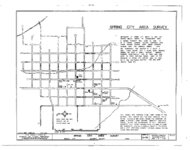
Show 01 SIGNIFICANCE PERIOD AREAS OF SIGNIFICANCE -- CHECK AND JUSTIFY BELOW —PREHISTORIC —1400-1499 —1500-1599 —1600-1699 —1700-1799 Jtl 800-1899 —1900- —ARCHEOLOGY-PREHISTORIC —ARCHEOLOGY-HISTORIC AGRICULTURE .^ARCHITECTURE —ART —COMMERCE —COMMUNICATIONS —COMMUNITY PLANNING —CONSERVATION —ECONOMICS —EDUCATION ...ENGINEERING ^EXPLORATION/SETTLEMENT —INDUSTRY —LANDSCAPE ARCHITECTURE —LAW —LITERATURE —MILITARY —MUSIC —PHILOSOPHY —POLITICS/GOVERNMENT —INVENTION SPECIFIC DATES 1851-1915 i ;••-:•- • L--' -~L —RELIGION —SCIENCE —SCULPTURE —SOCIAL/HUMANITARIAN —THEATER —TRANSPORTATION —OTHER (SPECIFY) - J lufLDER/ARCHlTECT STATEMENT OF SIGNIFICANCE * , '. , The historic and architectural significance of Spring City lies in two areaa: -.-.;. ./.-.-:...- 'i (1) 'the tibwn grapMcally documents the techniques of Mormon town planning irtUtah;: (2)^architecture in Spring"City is remkrkably^ well preserved .-.=:. with an: abundance ;df religious buildings,' hoittes, and small commercial' 4 establishments which predate World War* I (see attached Structure/Site forms). Sanpete vall^ town effectively documents the pattern of Mormon exploration and fv^ttlement in the West and the particular agricultural practices which accompanied village living . Spring City is one of the best remaining examples of the Mormon "village" in Utah. HISTORY Spring City was settled as a part of the colonization of the Great Basin planned and directed by members of the Church of-Jesus--Christ of Latter-day Saints (Mormons). In 1850 , the Fourth General Epistle of the Church reported that Brdgham Youjig, the Church President/ and his counselor, Heber C. Kimball had just returned from a tour of the Sanpete Valley: : -r, . ;r , . .. ,:- On the last of July, Brothers Young and Kimball . . . returned . . . having found a place for a good settlement located a city at Sanpete (Manti) and noticed several immediate sites worthy of the attention of smaller colonies which we anticipate will be settled this fall making a pleasant and safe communication from this our most southern habitation.^ Church leaders envisioned, a line of settlements stretching the length of the valley to ensure the*effective- control of the area. Defensive measures, gratuitous in some parts of Utah Territory, were necessary in the .Sanpete Valley due to the presence of an Indian population capable of resisting the intrusion of the Mormon colonizers. Though part of the larger plan for the settlement of the Valley, the selection of the site for Spring City was largely the decision of one man, James Allred. James Allred, born in 1784 in Randolph County, North Carolina, was an early convert to Mormonism and followed the Saints through the persecutions in Missouri and Illinois. Arriving in Utah in the fall of 1851, Allred was advised by Brigham Young to move to the Sanpete Valley and "select a place for |