| OCR Text |
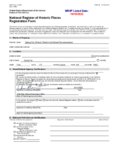
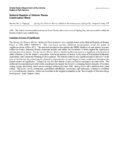
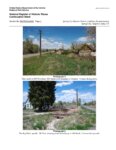
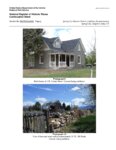
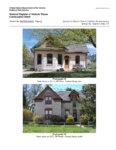
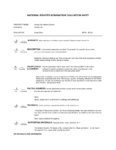
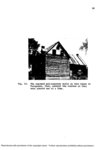
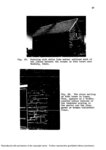
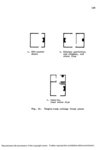
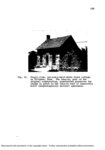
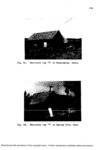
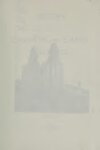
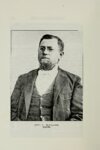
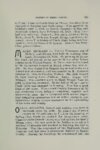
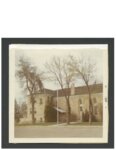
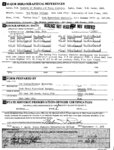
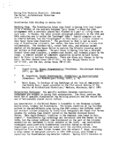
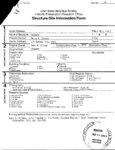
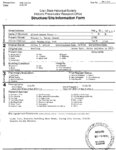
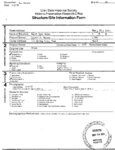
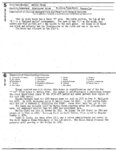
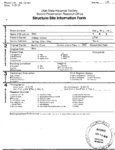
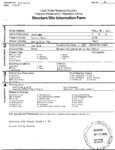
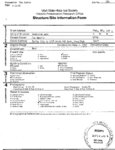
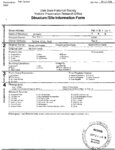
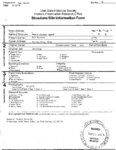
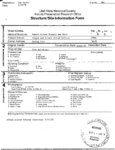
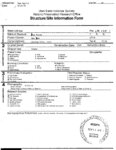
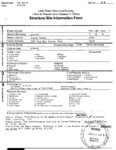
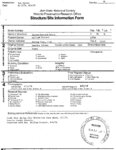
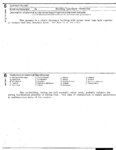
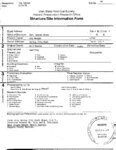
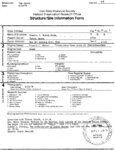
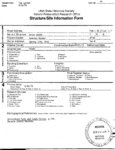
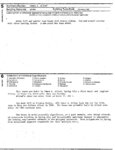
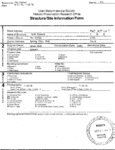
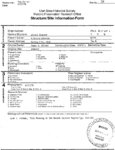
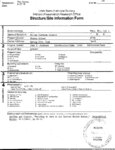
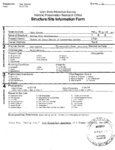
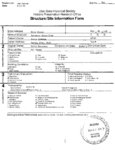
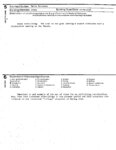
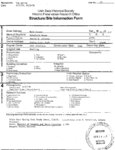
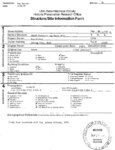
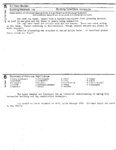
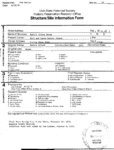
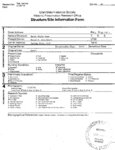
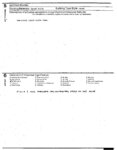
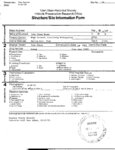
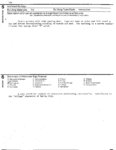
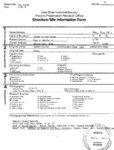
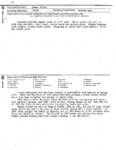
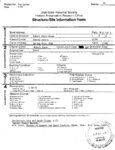
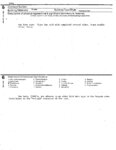
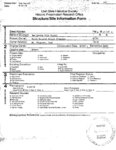
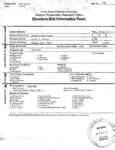
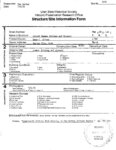
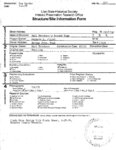
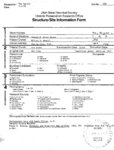
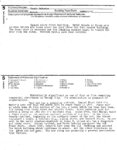
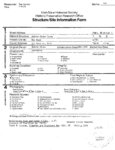
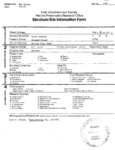
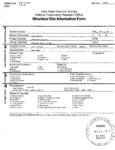
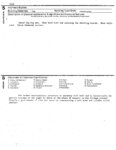
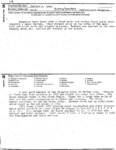
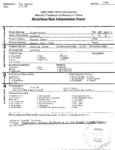
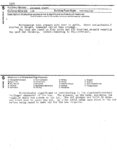
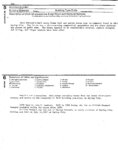
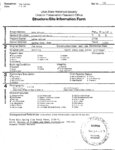
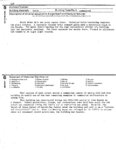
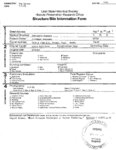
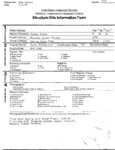
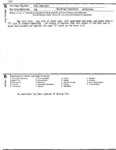
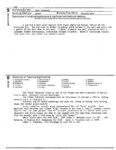
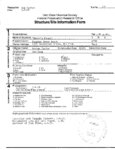
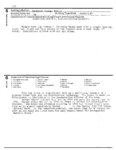
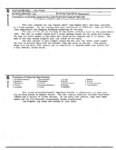
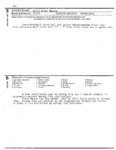
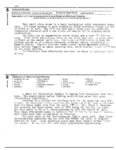
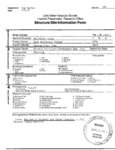
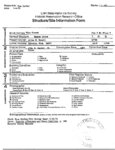
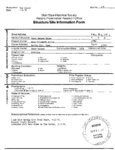
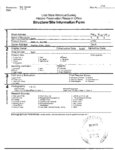
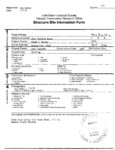
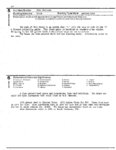
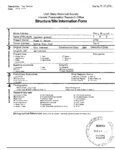
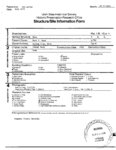
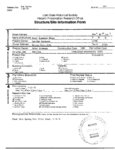
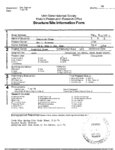
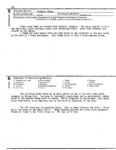
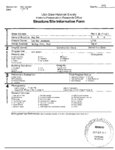
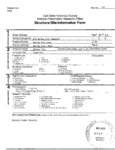
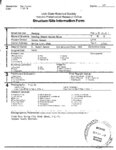
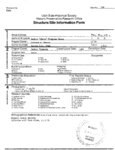
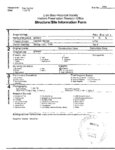
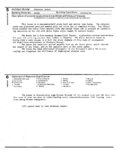
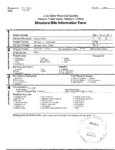
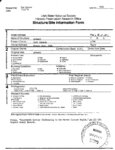
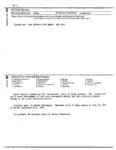
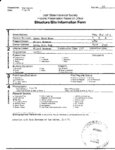
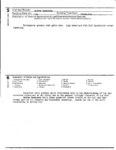
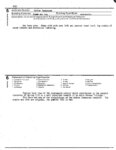
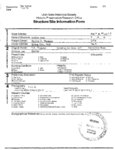
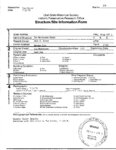
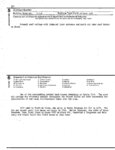
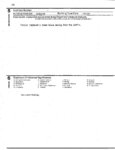
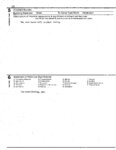
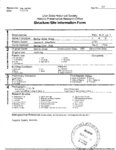
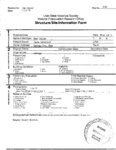
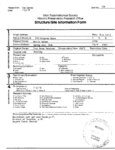
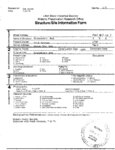
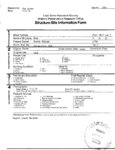
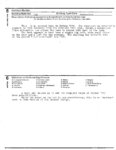
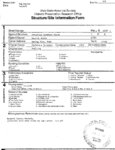
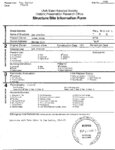
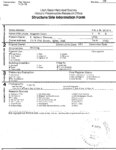
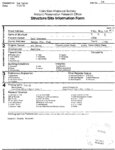
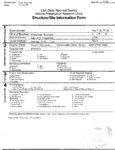
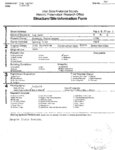
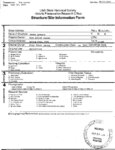
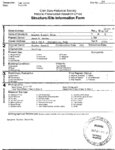
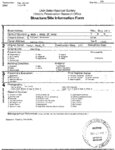
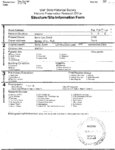
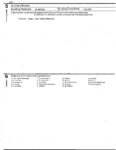
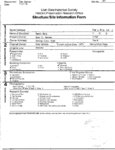
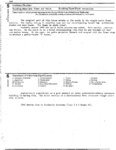
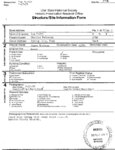
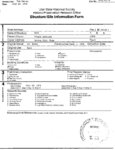
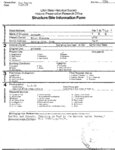
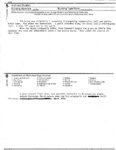
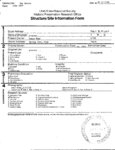
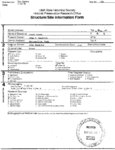
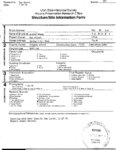
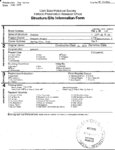
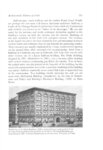
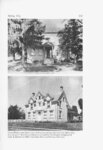
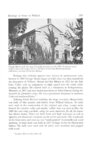
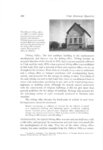
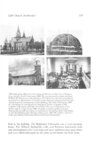
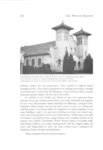
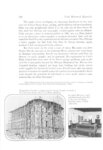
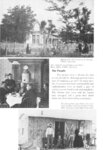
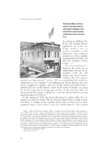
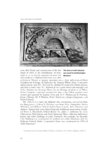
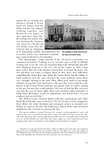
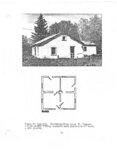
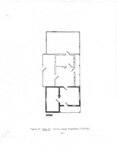
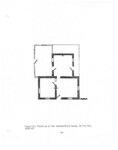
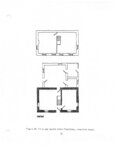
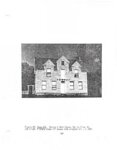
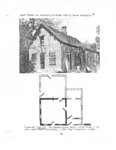
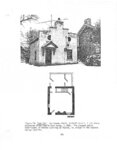
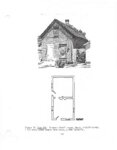
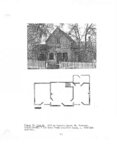
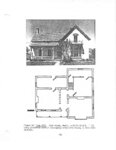
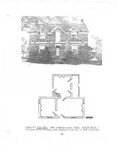
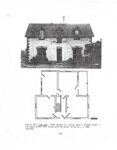
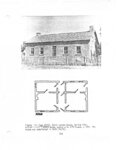
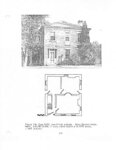
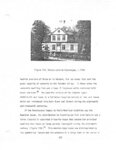
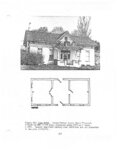
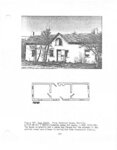
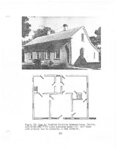
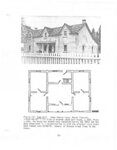
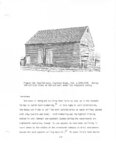
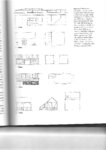
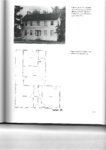
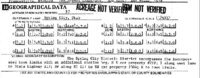
Show 94 Architect/Builder: tt O H I - • O g g >: O % I Building Materials: brick . Building Type/Style: pattern book Description of physical appearance & significant architectural features: (Include additions, alterations, anciHary structures, and landscaping if applicable) - - "•••"- • ; ' - ' • - Carpenter /builder manual house in a "T" plan. Gable facade with door on side wing one- and- a -half story, yellow brick now painted white. Window transoms with slightly arched window heads. Shingling in gables and closed gables. Porch has turned posts. Statement of HistoricalSignifieance: D Aboriginal Americans -D Communication D Military D Religion DyAgriculture E Architecture D The Arts D Commerce D O D D D D D D D Science D Socio-Humanitarian D Transportation Conservation Education . Exploration/Settlement Industry Mining Minority Groups Political Recreation / A well maintained and excellent example of patternoook architecture in Spring City. After the Manifesto of 1890 \vhich abolished polygamy, Bishop Samuel Allred built this home to harbor his second, or plural wife. 1870 deed to Peter Borresen; Niels Borresen 1875 for one-hundred and twentyfive dollars; Marenus Lund 1880, fifty dollars; Bishop Samuel Allred buys the lot in 1893 for fifty dollars and builds the existing house soon after. Sameul Allred was born at Council Bluffs, Iowa in 18-51, the son of Issac Allred, Issac Allred was one of the sons of James Allred, Spring City's first settler. In 1858 Issac brought the family to Ephraim, and in 1859 moved on th Mt. Pleasant where Issac was killed by Indians. The Allreds in 1860 moved into Spring City where Sameul pursued farming and later became a bishop in the LDS Church. |