| OCR Text |
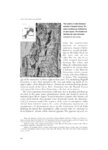
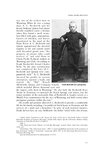
Show FALL 2013 UHQ pp 304-385_UHQ Stories/pp.4-68 9/16/13 1:25 PM Page 384 UTAh hISTOrICAL QUArTErLy debatable, but most likely there was some activity in close proximity to the spring, possibly with a larger encampment on the more level area of the golf course.39 Collectors with metal detectors have long since stripped the area of its scattered military-issue bullet casings, but a few scattered bits of broken nineteenth-century bottles and severely rusted food can fragments remain, some of which may be refuse from the soldiers’ camp. As with many findings in history, more questions are often raised than answered. At the head of a northern tributary of Grand Gulch sits a portion of the old Hole-in-the-Rock Trail, in close proximity to a watering place for livestock called the Cow Tanks. Lightly scratched on a rock in an alcove is the barely perceptible inscription of what appears to be “IW GRIM Co B 6 INF.” Hikers, archaeologists, and inscription-seekers have puzzled over the mystery of the epigraph’s author and date.40 Now that the involvement of the military at Soldiers Spring is better understood, its mission recognized, and its reason for traveling through the area identified, this inscription becomes an important reminder of the soldiers’ presence. The map produced from the 1886 summer reconnaissance shows Cow Tanks in direct proximity to the trail followed by Lieutenant Stevens’s mapping party when it passed through in late September or early October. On January 22, 1884, twenty-one-year-old Isaac Grim walked into an army recruiting office in Pittsburg, Pennsylvania, enlisted in the United States Army, and soon joined B Company, Sixth Infantry at Fort Douglas, Utah.41 Five feet, nine inches tall, with brown hair and a light complexion, Grim was a first-rate soldier, skilled horseman, and avid hunter and fisherman. On September 9, 1886, he and two other privates received detached service from their unit and were assigned to company D for field service in southeastern Utah. While no official report exists of Grim accompanying the mapping expedition led by Stevens, that officer did have two non-commissioned officers and six privates who traveled with him from the confluence of the Colorado and San Juan rivers through the Cow Tanks area, then to points north and east between August 28 and October 8.42 Grim’s inscription is located in the heart of the land under consideration at the time. While in San Juan, this model soldier did well. In fact, his company commander, Stephen Baker, noted upon his return to Fort Douglas that Private Grim never caused any trouble. A year later, however, his life took a different course. On July 3, 1887, Grim was serving breakfast as part of his 39 Winston Hurst, discussion with authors, May 18, 2012. The Wetherill-Grand Gulch Project team, using a method called “reverse archaeology” and led by Fred Blackburn in April 1990, discovered this inscription. 41 Isaac W. Grim, U.S. Army, Register of Enlistments, 1798–1914, accessed February 7, 2012, Ancestry.com. 42 Fort Lewis General Orders #165, September 18, 1886, Fort Lewis Military Correspondence— 1878–1891, Center of Southwest Studies; Fort Douglas Post Returns, “Records of Events,” October 17, 1886, Fort Douglas, Salt Lake City, Utah. 40 384 |