| OCR Text |
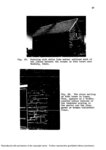
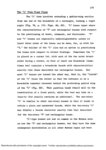
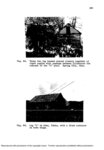
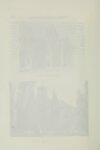
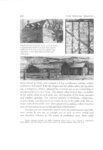
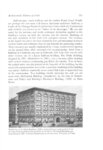
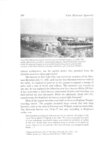
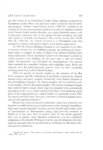
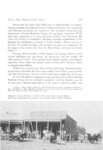
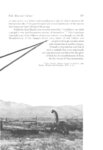
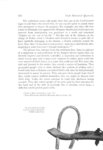
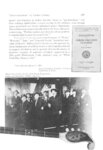
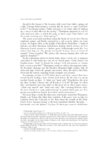
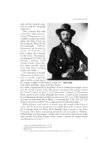
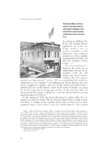
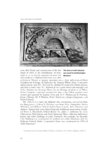
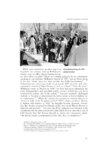
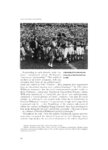
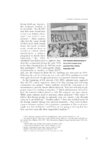
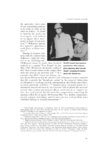
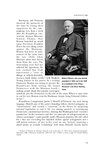
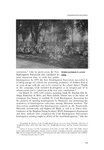
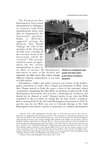
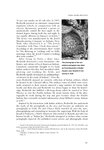
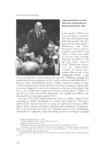
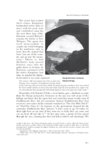
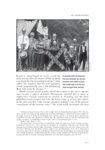
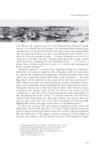
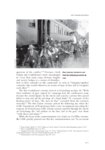
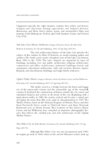
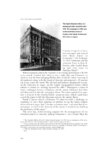
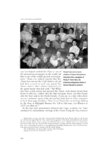
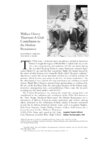
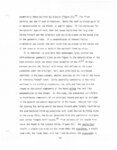
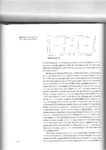
Show LIBRARY OF CONGRESS UTAH HISTORICAL QUARTERLY and 7,000 pounds of table salt. The twenty meals provided for veterans were significantly improved over their 1863 fare. Whereas a the Gettysburg semicentennial. typical soldier’s dinner in July 1863 consisted of bacon, beans, hard tack, and coffee, in 1913 a representative dinner included fricassee chicken, peas, corn, ice cream, cake, cigars, fresh bread, hard bread, butter, coffee, and iced tea.43 The sale of souvenirs and other goods was prohibited within the veterans’ camp.44 Yet the area just outside the campground and Gettysburg itself carried “the air of a circus day.” Salesmen and showmen of every stripe came to Gettysburg in an effort to “induce the nickels from the pockets of the veterans.” Outside the veterans’ tent city every available room in Gettysburg was filled days before the reunion began. “Veterans without credentials and the civilian who had not enough foresight to make arrangements are sleeping . . . in any bed that they could find in the hustle of the day.”45 Reunion organizers hoped to demonstrate that “hatred and bitterness have been totally obliterated and that the country is a united country, with no north, no south in the sense that those terms are used in touching the Confederate (left) and Union (right) veterans march in honor of 43 “Sidelights of Gettysburg Reunion,” Duchesne Record (Myton, UT), July 18, 1913. “Fakers to be Barred from Veterans’ Camp,” Salt Lake Herald-Republican, June 26, 1913; “Pouring into Gettysburg,” June 29, 1913. 45 “Veterans Gather on Historic Field,” Salt Lake Herald-Republican, June 30, 1913. 44 276 |