| OCR Text |
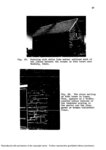
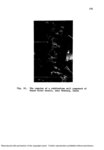
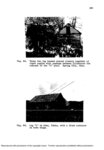
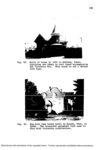
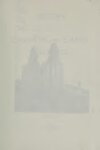
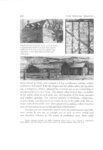
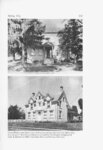
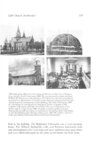
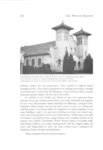
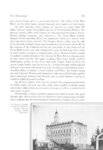
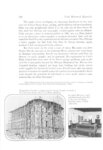
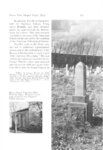
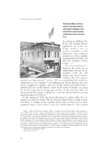
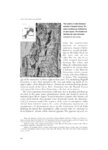
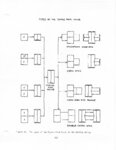
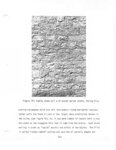
Show 316 Utah Historical Quarterly Castellated Gothic, 1871-85. As employed in the designs of the Manti, Logan, and, to a lesser extent, St. George temples, this style was not considered practical for smaller ward meetinghouses. Monumental New English Gothic, 1879-93. As expressions of stateliness, dignity, elegance, and strength, Gothic Revival meetinghouses and tabernacles of this period were very successful. General characteristics included the New England central steeple tower, heavy buttressing, corbeling in brick and stone, pinnacles, and overall decorousness and refinement. A second category includes frame buildings, simple rectangular structures with gabled roofs and smaller, gabled-front vestries and Gothic bays. Simplified Gothic, 1894-1904. These buildings were generally built by smaller wards outside of Salt Lake Valley. They were brick, lightly proportioned, and without a central tower. English Gothic Parish Church, 1900-1918. This style represents a specific type of Gothic Revivalism to suit the needs of smaller American congregations.23 Distinctive architectural characteristics included the square buttressed vestry tower, crenelated parapets, exposed wooden gable bracing, a comparatively low and spreading profile plus the usual pointed Gothic bays and wall buttresses. Combination Gothic, 1902-10. For lack of a better term, combination Gothic includes a significant number of meetinghouses that had the essence of the Gothic Revival form but were not Gothic in their detailing, using round-arched or Roman windows for example, or square towers, rambling plans, and spiked or hipped steeples or roofs. These buildings were particular to the northern part of the state, from Salt Lake City northward. Concrete Gothic, 1913-28. To common brick buildings were added extensive cast-concrete moldings. Buttress caps, gabled caps, horizontal bands of flowers, and other decorative motifs complemented ornate window moldings. The windows were often Tudor-arched and were recessed, had thick mullions, tracery, and splayed frames. Aside from the trim, there were few Gothic elements in the meetinghouses of this period. Elizabethan Tudor Gothic, 1928-36. In this style, Gothicism made its final appearance (with the possible exception of some very recent Neogothic windows and cast-concrete moldings on new meetinghouses). Features included rusticated stone as the main building material, oak 23 G.H. Cook, The English Medieval Parish Church (London, 1968). |