| OCR Text |
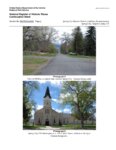
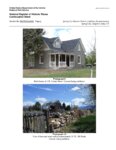
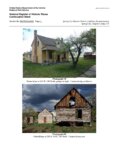
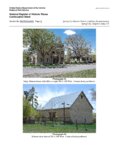
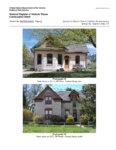
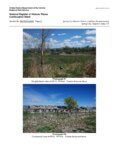
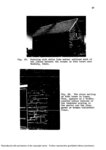
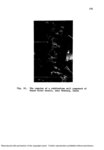
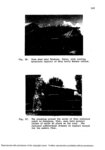
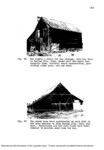
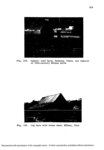
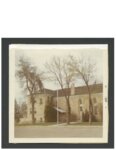
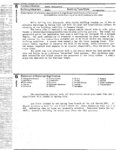
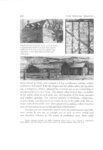
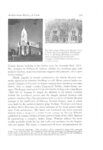
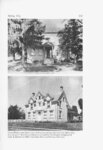
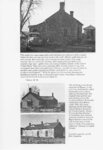
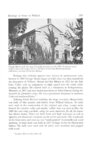
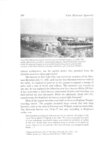
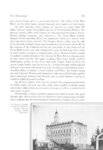
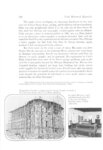
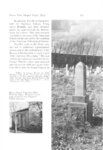
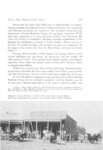
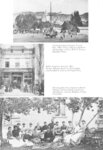
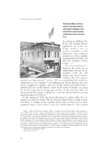
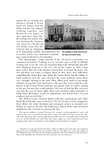
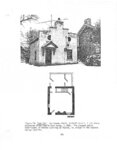
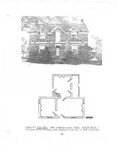
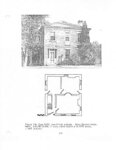
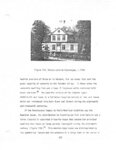
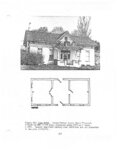
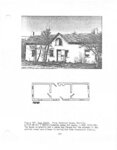
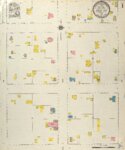
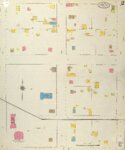
Show United States Department of the Interior National Park Service OMB No. 1024-0018, NPS Form National Register of Historic Places Continuation Sheet Section No. 7 Page 10 Spring City Historic District (Addition Documentation), Spring City, Sanpete County, UT property is enhanced by a cluster of unaltered wood outbuildings: a small barn, granary and garage. The vast majority of frame buildings in the district are outbuildings. Several large frame outbuildings are significant contributors to the rural landscape. Examples include 317 E. 700 North (barn, circa 1890), 470 N. 500 East (circa 1894, hay barn and log cow shed), 190 W. 200 North (hay shelter, circa 1910), and 55 E. 300 North (granary and barn) [Photographs 10, 13 & 14]. Spring City’s Main Street business district began to develop during this period, although it would not reach peak commercial activity until the 1920s. A few Main Street commercial buildings were destroyed by fire or torn down prior to 1980. There has been only one Main Street demolition since the original nomination. 23 The only substantial change to Main Street since 1980 has been the restoration of nearly all of the commercial and public buildings. Extant commercial buildings from this period include the Baxter & Blain Store (190 N. Main, built in 1895), a stone building with a false front [Photograph 25]. The Johnson Meat Market is a Victorian Eclectic two-part block, built in 1905 (278 S. Main). The wood false front hides a gambrel roof, recently rebuilt from an older gambrel roof. The two-story building at 37 N. Main was originally a pool and dance hall when built in 1911 [Photograph 26]. It has recently been sheathed in new materials, but structurally it was one of the last adobe buildings constructed in Spring City. It is important to note that Spring City’s Main Street has always been primarily residential. Two of the largest houses on Main Street were built as residences and later converted to hotels. The Crisp house at 59 N. Main, a large two-story Greek Revival stone house (built between 1881-1884), was originally built as a residence but was operated as a hotel by the Allred family between 1900 and 1925 [Photograph 27]. In contrast, the Osborne house is an excellent brick example of Victorian Eclectic pattern book architecture. The two-story cross wing house at 216 S. Main (built in 1894) features polychrome brick, corbelled relieving arches, bracketed eaves, and colorful imbrication in the gable trim. It was known as the Osborne Hotel by 1896 [Photograph 28]. Some of the traveling salesmen who stayed in these hotels may have shown their wares at the “Sample Room” built around 1900 (38 N. Main) [Photograph 29]. 24 Later this one-story false front frame building was converted to the town’s firehouse. Just north of the old firehouse is the old city hall. It is one of only a handful of extant nineteenth-century civic buildings in Sanpete County. Built in 1893 of limestone, the temple form building is influenced by the Greek Revival style and includes a bell tower [Photograph 2]. It was used as a schoolhouse for seven years before being occupied by city offices from 1900 to 1988. The second Spring City jail sits behind city hall. This wood building was constructed of stacked 2x4s in 1900 (vehicle door installed in the 1980s). This jail’s predecessor was a stone building (circa 1885), now used as an outbuilding at 275 S. 200 East (windows have replaced the original bars). The most significant public building in the historic district is the three-story Spring City School at 45 S. 100 East, built in 1899 [Photograph 7]. This Victorian Eclectic school was designed by Provo architect Richard C. Watkins. The building is architecturally notable for its polychromatic brick masonry, arched central entry with a second-floor balcony, stepped parapets, and corbelled chimneys. The Spring City School was listed on the National Register of Historic Places on November 14, 1978 (NRIS# 78002691). The school remains the only property individually listed within the boundaries of the historic district. 25 A restoration of the building was completed in 2017 for use as the current city offices by the Friends of Historic Spring City. Based on an analysis of Sanborn maps, RLS surveys, and research by Kaye Watson, Life Under the Horseshoe: p. 122-123. The building is labeled “Sample Room” on the 1917 Sanborn Fire Insurance Map. 25 The only other individually listed property with ties to Spring City is the Crawford, Charles, Farmstead (NRIS #80003956), The farmstead is located approximately two miles south of the boundary of the historic district. 23 24 |