| OCR Text |
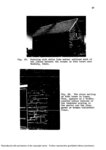
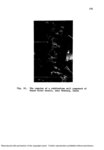
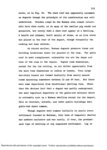
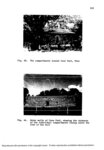
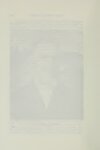
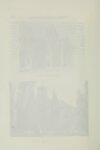
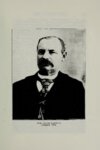
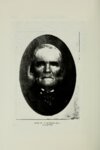
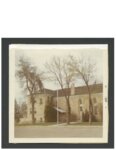
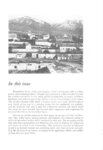
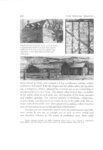
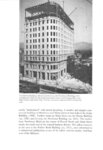
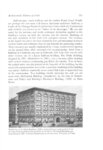
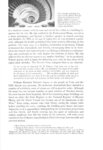
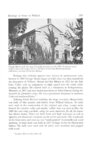
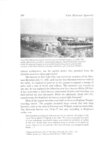
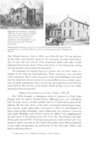
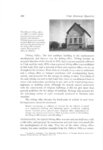
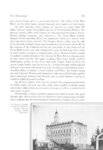
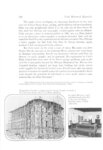
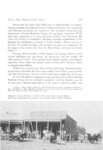
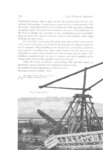
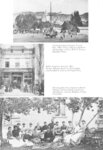
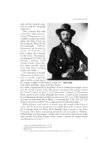
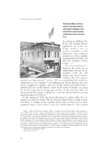
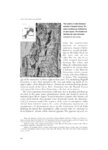
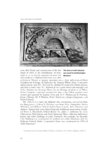
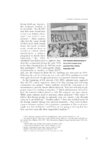
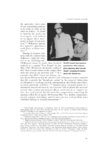
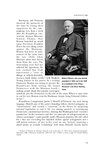
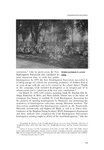
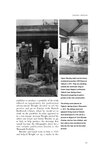
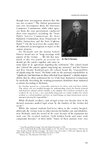
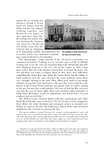
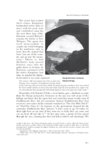
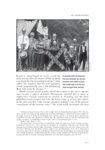
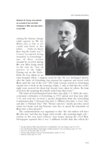
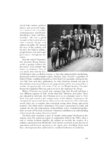
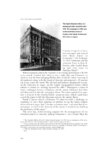
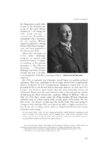
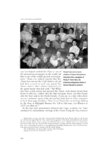
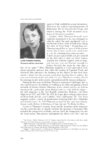
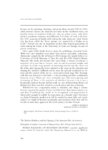
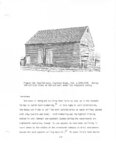
Show FRANK ASAHEL BECKWITH BECKWITH PHOTOGRAPH COLLECTION, DELTA CITY LIBRARY approaches to writing and business, Frank S. being much less formal than his father, but the two enjoyed working together, and Beckwith was happy to once again have more time for writing. No matter who was running the business end, however, Beckwith was firmly aware that the Chronicle had an obligation to be dependable, reliable, and informative for The building in Delta that housed its readers, and he was committed to produc- the hotel and bank office. ing a paper dedicated to its readership. Not surprisingly, a large portion of the Chronicle’s readership was composed of farmers. Farming was an essential aspect of life in Millard County, and it was the rich soil deposited from Lake Bonneville that first drew Mormon pioneers to the west side of the county in 1860. Crops grew well in this soil, if the farmers learned how to irrigate the heavy clay soil and there was water to irrigate them. At first, there were difficulties controlling the water that came down the Sevier River, but the ability to build reservoirs over the years alleviated the water problems unless there was a drought. Starting in the early 1900s, efforts were made to encourage outsiders to purchase land and move to the area. The Carey Land Act, also known as the Federal Desert Land Act, also played a role in settlers coming to the area because they could purchase 160 acres of land for fifty cents per acre plus the cost of water rights. These new residents settled primarily in Sutherland, Woodrow, north of Sutherland, and South Tract, located southeast and east of Delta.28 The Millard County Chronicle helped with these promotions, and when Frank Beckwith first came to Delta in 1913, he became actively engaged in these efforts. He wrote brochures and newspaper articles to persuade new farmers to come to the area. The following is typical of the types of articles published in the Chronicle to advertise the area: This special edition is issued because this country needs population—men and women who are not afraid of hard work—who will grub the brush from the soil, and make this great valley and the adjoining foothills into one vast garden spot. Thousands of acres of fine tillable soil with first-class water rights are now lying dormant here awaiting more toilers so that they may be utilized for the benefit of mankind.29 28 Edward Leo Lyman and Linda Newell King, A History of Millard County (Salt Lake City: Utah State Historical Society and Millard County Commission, 1999) 211, 229. While most of the early residents of West Millard County were Mormons, this changed considerably with the development of the land boom. Most of the individuals who moved into the area at that time were non-Mormons. 175 |