| OCR Text |
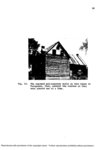
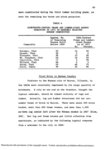
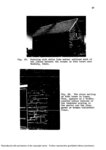
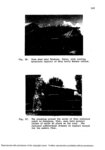
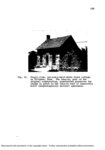
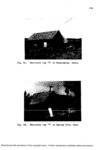
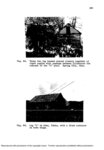
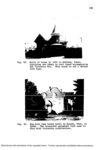
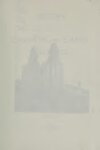
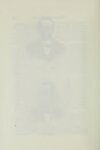
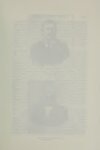
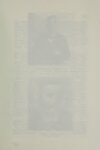
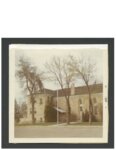
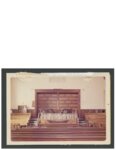
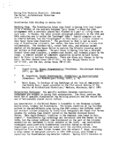
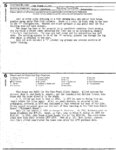
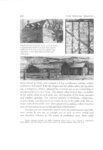
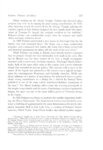
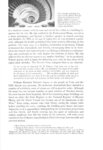
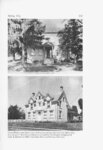
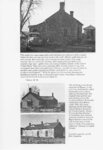
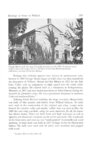
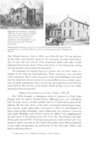
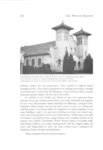
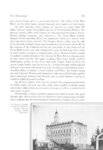
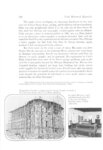
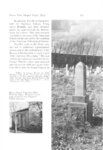
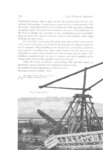
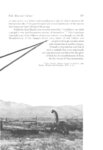
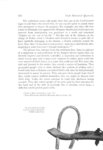
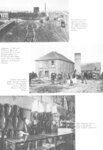
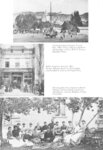
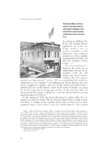
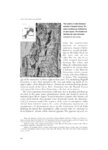
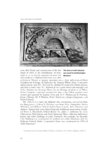
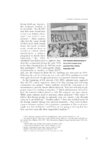
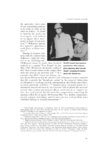
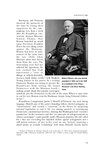
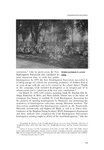
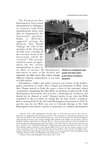
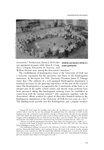
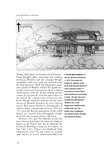
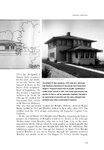
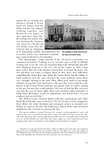
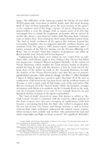
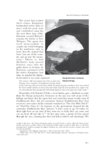
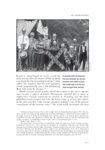
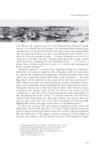
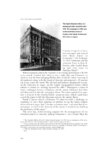
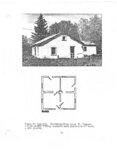
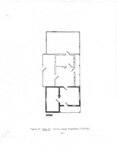
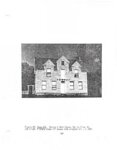
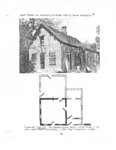
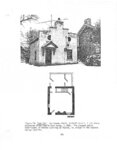
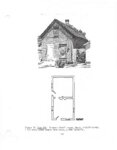
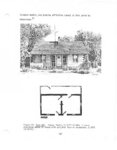
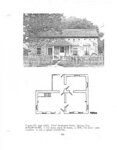
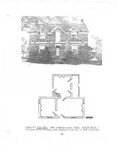
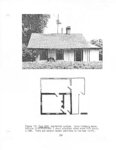
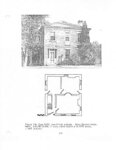
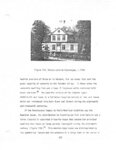
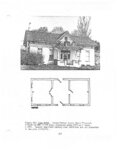
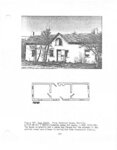
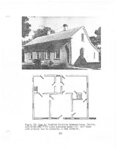
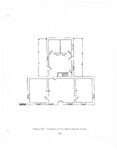
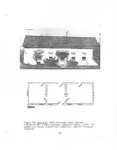
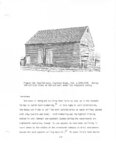
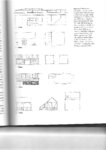
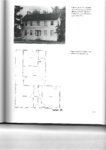
Show Designed by Truman O. Angell in 1851, the proposed Seventies Hall (top) was never realized, but it illustrates the skill of pioneer architects. Utah State Historical Society photograph, Widtsoe Collection. Early adobe buildings such as the Twentieth Ward School were simple and unpretentious. Utah State Historical Society photograph, gift of Margaret N. Patrick. The Willard bowery, built in 1865, was 40-by-60 feet. " I t was enclosed on the sides with boards, except at the entrances. A stand ten-by-forty feet at one end was covered with homemade cloth with bolts of fine patterned homemade cloth of linen and cotton as covering on the ceiling over the speaker's head and at the entrances." 10 No examples of original boweries remain, nor are there many examples of the first log meetinghouses. These structures were intended to be temporary. Since wood was scarce, most early buildings were razed and the materials reused as soon as it was possible to erect a better structure. In some settlements, three or four log meetinghouses and boweries were built in the first few years before finally giving way to the adobe structures of the next period. 1853-58 T h e 1850s brought a continuous influx of pioneers to U t a h from Europe and the eastern United States. Although forts were still being built in some towns, overall stability had been achieved in most of the colonies. By this time many of the older communities had begun irrigation systems, roads, mills, kilns, and quarries. With the development of basic construction technology, more substantial, less primitive structures were built. Building tools carried across the plains were supplemented by tools made in the foundry near Salt Lake City. In addition, the California gold rush of 1849-50 brought unexpected wealth to Salt Lake City, much of which was used by the church for public works that led directly to the rapid advancement of architecture in the Salt Lake Valley, and later in outlying colonies. MIDDLE S E T T L E M E N T , OR EARLY ADOBE, Andrew Jenson, ed., "Willard Ward History," LDS Archives. |