| OCR Text |
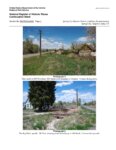
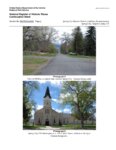
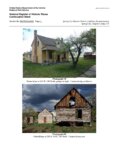
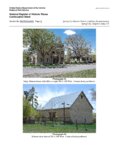
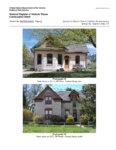
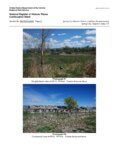
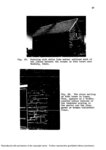
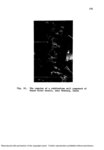
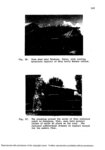
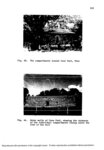
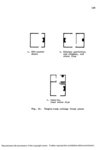
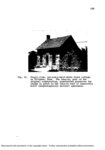
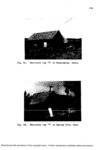
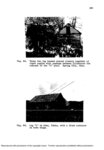
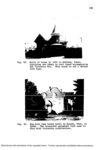
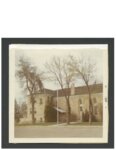
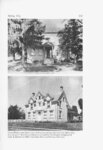
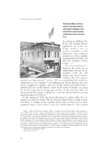
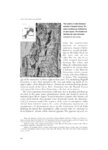
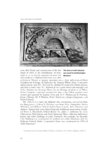
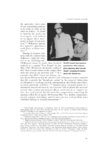
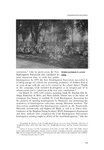
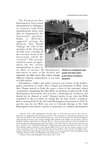
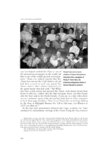
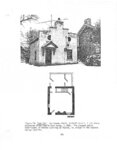
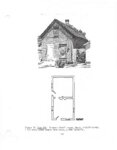
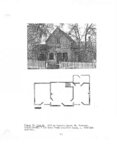
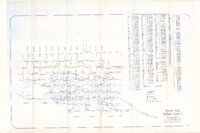
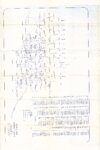
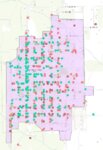
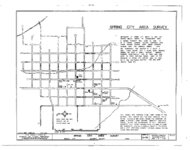
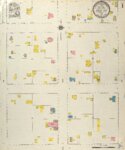
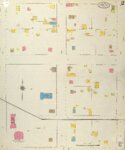
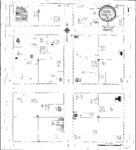
Show United States Department of the Interior National Park Service OMB No. 1024-0018, NPS Form National Register of Historic Places Continuation Sheet Section No. 7 Page 5 Spring City Historic District (Addition Documentation), Spring City, Sanpete County, UT Probably the most salient feature of Mormon town planning was the placement of the buildings on the blocks. In an early settlement, central blocks were devoted to church meetinghouses, schools, and other public buildings. 11 Spring City represents a slight aberration from the ideal as the public square (Block 20) where the meetinghouse is located is on the west side of town, rather than in a more centralized location [Photograph 6]. Block 37, where two historic schools are located, is closer to the center of the townsite plat, but its identity as a public block was not part of the initial settlement and has evolved over the years. The Spring City School was listed on the National Register in 1978 prior to the designation of the district (NRIS# 78002691) [Photograph 7]. In order to give each household enough space for gardens, orchards, and barns, Spring City’s blocks were divided into four 1.25-acre lots. As the settlers began to build permanent homes on their town lots, they strictly followed the principles of uniform setbacks and placed the houses near the street corners. 12 Many of the historic homes in Spring City have two principal elevations, particularly those built in the Victorian styles [Photographs 8 & 9]. With the exception of the blocks with Main Street frontage near the town center, the nearly universal pattern of four houses per block, one at each corner, is consistent throughout the expanded period of significance. The 1934 map shows that even with only one or two houses on the underdeveloped blocks, the building is at the corner, typical of early Mormon planning practices. On the block devoted to the two schools, there is an extant older home on the southeast corner in 1934. Aerial photographs from the 1960s indicate there were very few deviations from this pattern. Remarkably, aerial photography from 2021 shows the same patterns. Almost all of the newer houses are built at the corner of an undivided 1.25-acre lot. The only discernable deviation is that several recent homes have been built at diagonally at 45-degree angle to face the intersection; a choice not without precedent, for example, in 1912 the historic home at 121 E. Center Street was built diagonally to face corner [Photograph 9]. The continuity of the four-house-perblock pattern of development is one of most important contributing factors to the historic integrity of the Spring City Historic District, in both 1980 and 2021. Streetscapes and Landscape Features in the Spring City Historic District (Additional Documentation) The original nomination for the Spring City Historic District cited several streetscape and landscape features that contribute to the historic character of the town. The square blocks and wide streets have been discussed in the previous section, but it cannot be overstated that the historic character of a Mormon village is intact. An observer standing on a typical Spring City street today can still experience a distinctive rural streetscape: a strip of asphalt flanked by unimproved shoulders of dirt or gravel, with lawn, weeds, or other greenery growing over the former lines of the irrigation ditches [Photograph 3]. With the exception of 500 South where a new home has been built in the middle of 100 East at its apex, the same observer can look down any street and see outlying crop and range land that has changed little since the late nineteenth century[Photograph 5]. 13 Also, unchanged are the views of the Wasatch Plateau, the Stone Quarry Hills, and Horseshoe Mountain [Photograph 1]. Spring City’s earliest residents were encouraged to plant street trees. Fast-growing Lombardy poplars were preferred, but cottonwoods, lindens, and elms were also popular. Some of the oldest trees have disappeared, particularly after the street irrigation ditches ran dry, but Spring City still has a large number of mature trees gracing the older neighborhoods. Historically property owners were encouraged to beautify their front yards with flowerbeds and flowering shrubs. While most front yards now have a little lawn, most of the townsite acreage is in a more natural state. Richard H. Jackson, “City Planning” in in Encyclopedia of Mormonism, (New York: Macmillan Publishing Company, 1992), p. 283. Spring City Historic District (1980), sec. 8, p. 4. The placement of the oldest houses at the corners of lots is one of the most ubiquitous features of early Mormon settlements, including Salt Lake City. 13 The steeple of a new LDS Church meetinghouse located outside the city limits can be seen from the north end of 100 East, but because there are crops and pastures between the town and the meetinghouse, the view has minimal impact. 11 12 |