| OCR Text |
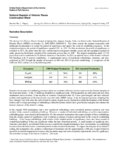
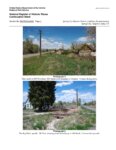
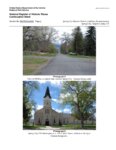
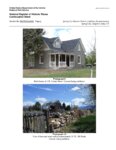
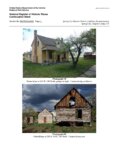
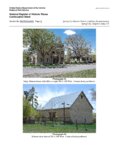
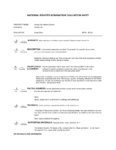
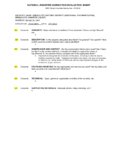
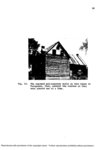
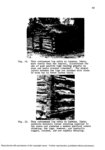
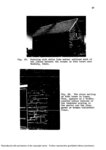
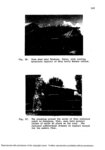
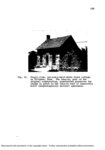
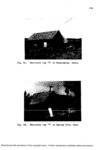
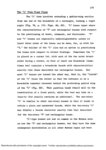
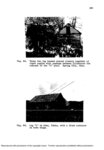
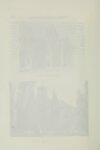
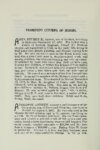
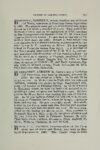
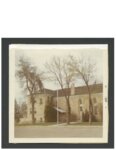
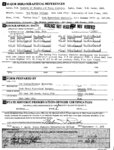
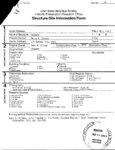
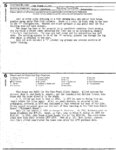
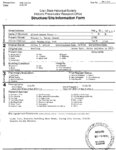
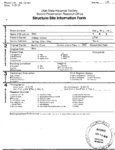
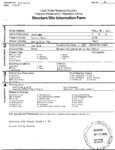
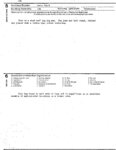
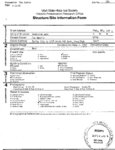
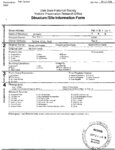
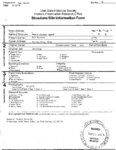
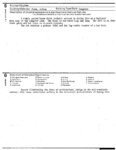
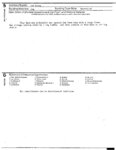
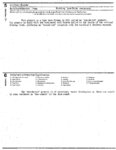
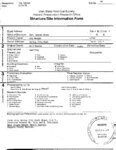
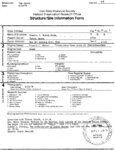
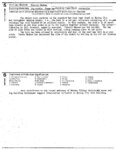
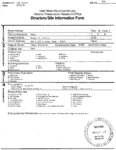
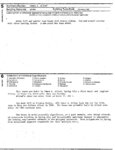
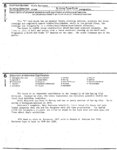
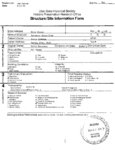
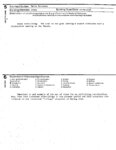
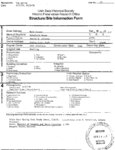
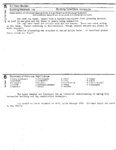
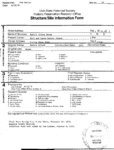
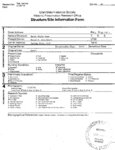
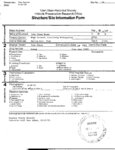
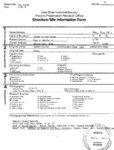
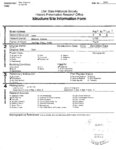
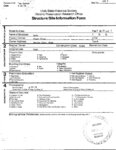
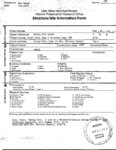
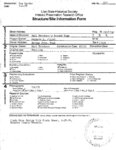
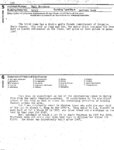
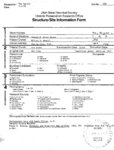
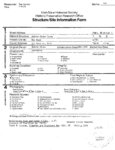
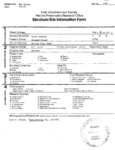
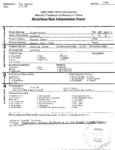
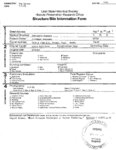
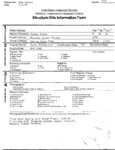
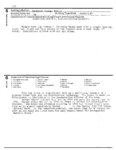
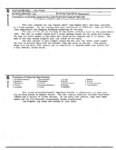
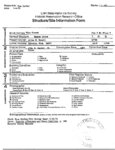
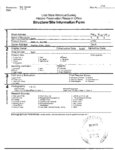
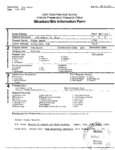
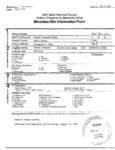
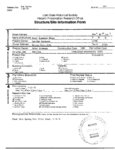
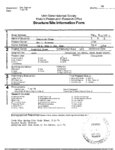
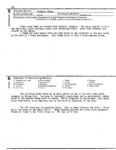
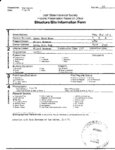
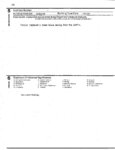
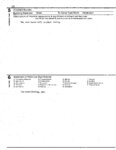
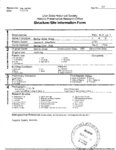
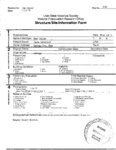
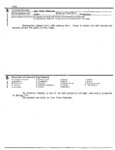
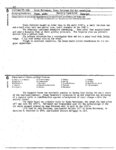
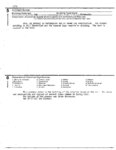
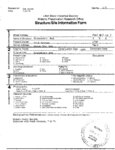
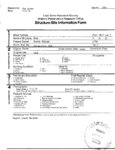
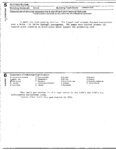
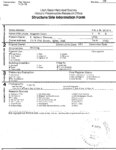
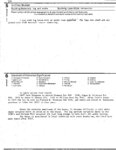
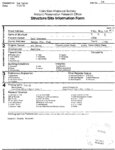
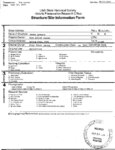
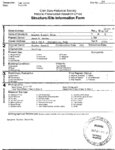
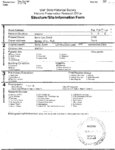
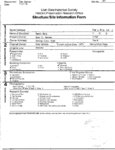
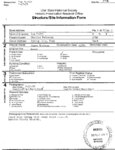
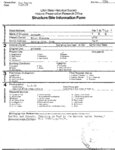
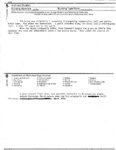
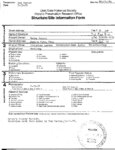
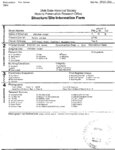
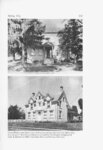
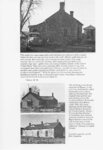
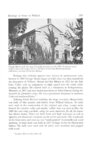
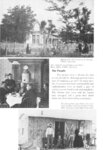
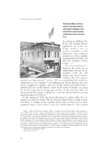
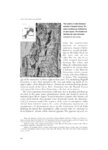
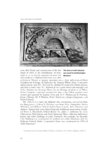
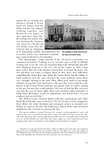
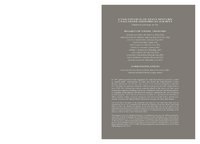
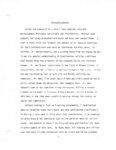
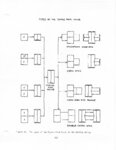
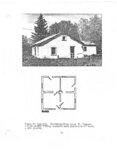
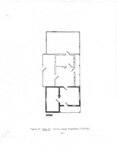
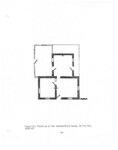
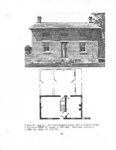
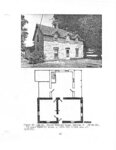
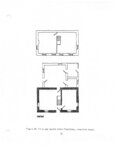
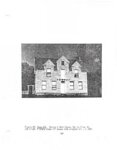
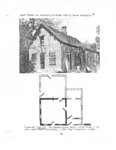
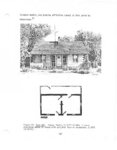
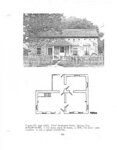
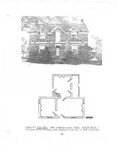
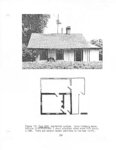
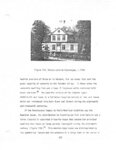
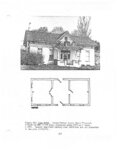
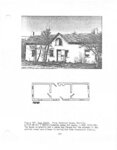
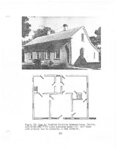
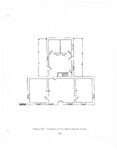
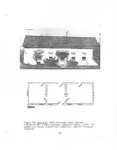
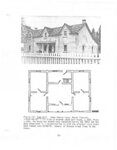
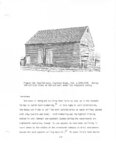
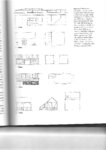
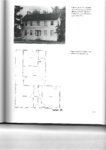
Show ujDC 2 ft »- Architect/Builder: Building Materials: frame over log Building Type/Style: vernacular ————————————————————————————;———————————————————————————————————————:—•———————————————————————————————•——————————————— Description of physical appearance & significant architectural features: (Include additions, alterations, ancillary structures, and landscaping if applicable) x o < g >; O This "ship-lap" frame house is a one-and-a-half story example of the older rectangular cabin house type. It has a rear room in "T" fashion. The chimney is internal and only a stove-flue. Box staircase, internal partition. A frame summer-kitchen is directly north of the house. The lot also contains a bay barn (36 A) and granary (36 B). Some of the older fence remains. The frame house is overlaid on an older log house which dates to the 1870's. notch. Statement of Historical Significance: D D D D D Aboriginal Americans Agriculture Architecture The Arts Commerce O D D D D Communication Conservation Education Exploration/Settlement Industry D D D D D Military Mining , , Minority Groups Political Recreation D D D D Religion Science Socio-Humanitarian Transportation This is a typical example of a rather typical Spring City house type. As such, the house is important for constructing a complete architectural history of the town and effectively demonstrating how the average resident lived. The house is also an outstanding example of log construction in the area. 1870 deed to John Robinson. Upon Robison's death, ca. 1890, the property was willed to William Robinson. Robinson was born in England in 1850. His parents joined the Mormon Church in the 1830's and emigrated to Nauvoo in about 1840. The Robinson's came to Utah in 1856 and after living in Salt Lake moved to Manti in 1859 and 1861 to Spring City. |