| OCR Text |
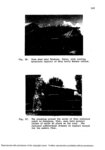
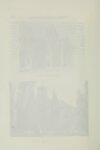
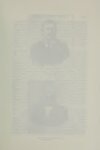
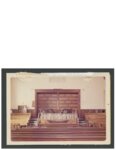
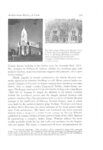
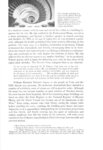
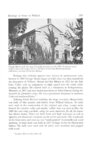
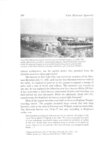
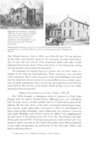
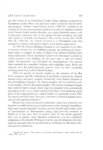
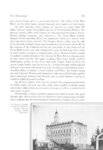
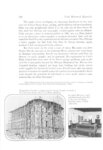
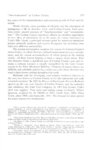
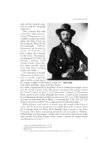
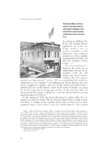
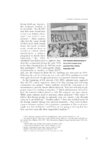
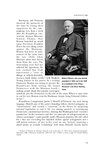
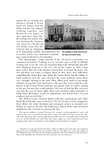
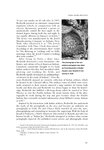
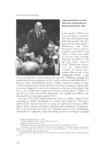
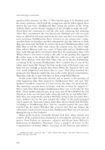
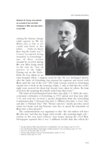
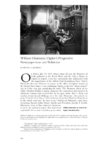
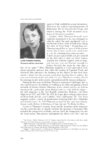
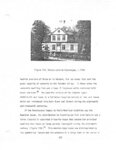
Show By GARY TOPPING O ne of the major themes in the history of The Church of Jesus Christ of Latter-day Saints (LDS) is the infamous inability of the Mormons and their neighbors to get along with each other.1 An examination of Mormon–Catholic relations in Utah, however, indicates otherwise. From the 1866 establishment of Catholicism in the state, with the ministry of Father Edward Kelly, to the episcopacies of Lawrence Scanlan, John Mitty, and James Kearney, and the radio broadcasts of Monsignor Duane Hunt, Catholic officials and their LDS counterparts often endeavored to build friendships. In the twentieth century, the Cathedral of the Madeleine in Salt Lake City particularly served as symbol of ecumenism. The interior of the Cathedral of Though a few rough spots occurred along the Madeleine. Gary Topping is Archivist of the Roman Catholic Diocese of Salt Lake City. 1 Some of those rough spots and their resolutions are studied in Gregory A. Prince and Gary Topping, “A Turbulent Coexistence: Duane Hunt, David O. McKay, and a Quarter Century of Catholic–Mormon Relations,” Journal of Mormon History 31 (Spr ing 2005): 142–63. Although I focus here on Catholic–Mormon relations, it should be noted that the Episcopalians also enjoyed generally good relations with the Mormons. See Frederick Quinn, Building the “Goodly Fellowship of Faith:” A History of the Episcopal Church in Utah, 1867–1996 (Logan: Utah State University Press, 2004). The vitriolic public assaults on Mormonism of the Congregationalists, Presbyterians, and Methodists raised a corresponding ire among the saints. Robert J. Dwyer, The Gentile Comes to Utah: A Study in Religious and Social Conflict (1862–1890) (Washington, D.C.: The Catholic University of America Press, 1941). 230 UTAH STATE HISTORICAL SOCIETY MormonCatholic Relations in Utah History: The Early Years |