| OCR Text |
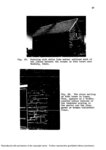
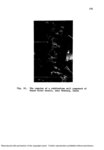
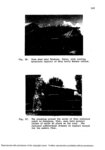
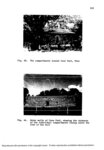
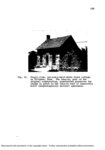
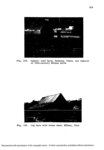
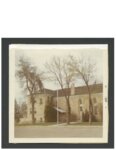
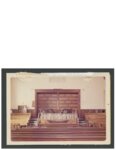
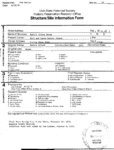
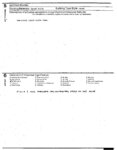
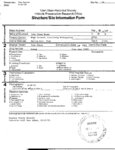
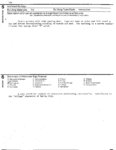
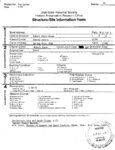
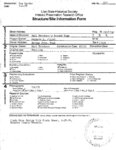
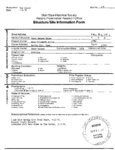
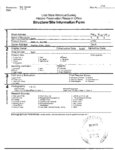
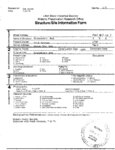
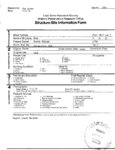
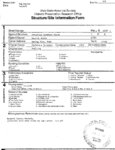
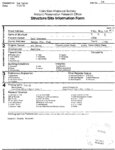
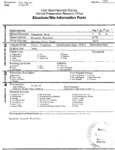
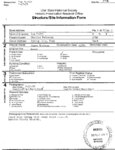
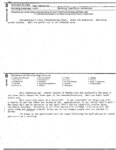
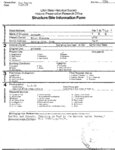
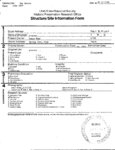
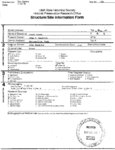
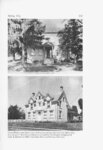
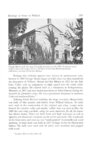
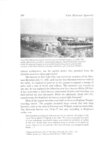
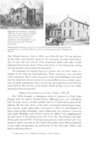
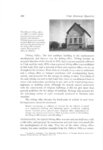
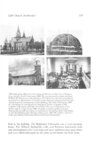
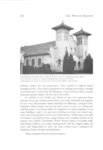
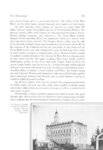
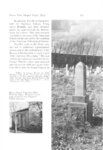
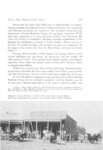
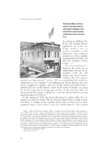
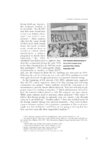
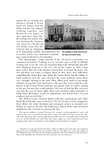
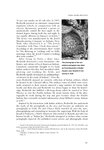
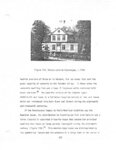
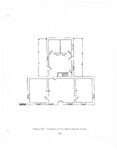
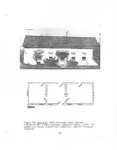
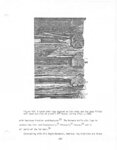
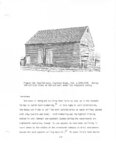
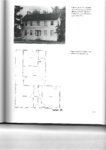
Show LDS Church Architecture 311 While most meetinghouses continued to serve as schoolhouses, many buildings began to take on a particularly religious character. As school districts built their own schools and civic: functions were served by new town halls, a general transition from multipurpose meetinghouse to wardhouse or church took place. There is no doubt, for example, that the Bountiful Tabernacle (1857-63) was built specifically as a religious structure. Writh encouragement from Brigham Young to build the best meetinghouses possible, several churches became nearly spectacular, if not in size, at least in attention to craftsmanship and detailing. Consider the Millcreek wardhouse, still standing at 606 East 3900 South in Salt Lake City. December 29, 1867: Apostles Wilford Woodruff and George Q. Cannon dedicated (temporarily) the recently erected meetinghouse. It is an adobe building, 40 X 62 feet, 22 feet to the ceiling, with a vestry, 18 X 25 feet on the south end. It is two stories high. March 6-7, 1875. The meetinghouse is finished and painted. Doors, windows and door panels, casings and woodworking, except the stand were grained in oak imitation and the stand in cherry. The top of the pulpit was handsomely cushioned as were the seats in the stand. A large cornxe with four handsome centerpieces adorned the ceiling. Several appropriate mottoes were painted on the front of the gallery in the north end of the building. Commodious seats were placed upon the floor, altogether making the room one of the best finished and most conveniently seated halls in the country.19 Another factor influencing Mormon architecture of the 1860s was preparation for the coming of the railroad. Despite some misgivings, church leaders welcomed the railroad but made careful preparations, both spiritual and temporal, for its coming. They anticipated that the railroad would bring many non-Mormons, or Gentiles, to the territory, most of whom would have exploitive motives. To offset any efforts to secularize the kingdom and dilute theocratic control, the church, in late 1867, started a program of establishing Relief Societies in each ward and, in 1868, reinstated the School of the Prophets. The Schools of the Prophets were organized in each ward to make decisions related to local problems. In a few meetinghouses built in Salt Lake City during this period, a special room was provided for the meetings of the school. After the school was disbanded in 1874, these rooms were used as classrooms or for priesthood meetings, or perhaps by newly formed Relief Societies. Relief Society Hall. The architectural result of the expansion of the Relief Society was a new building type, the Relief Society hall. The first hall was built in the Fifteenth Ward in Salt Lake City in 1868-69. 19 Andrew Jenson, ed., "Millcreek Ward History,' LDS Archives. |