| OCR Text |
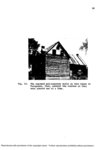
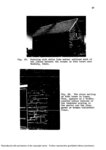
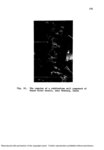
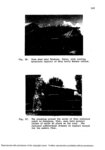
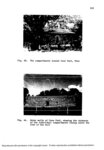
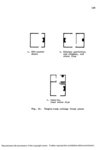
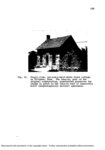
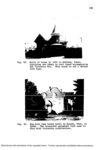
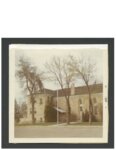
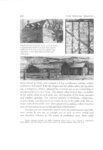
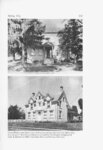
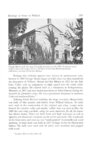
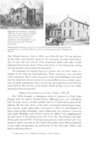
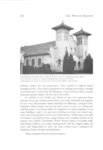
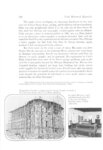
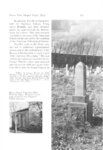
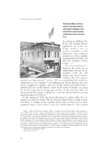
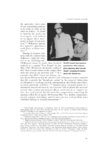
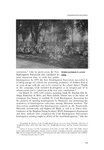
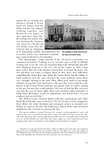
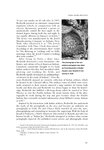
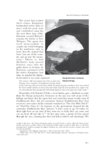
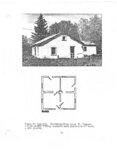
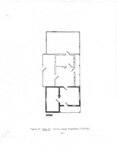
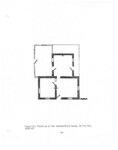
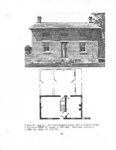
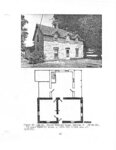
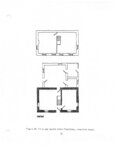
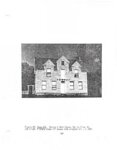
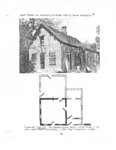
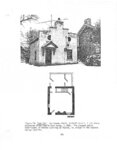
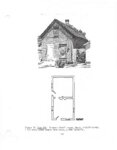
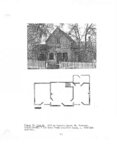
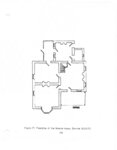
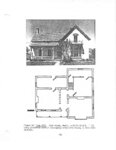
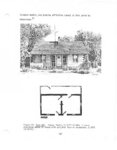
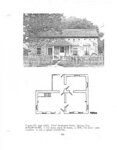
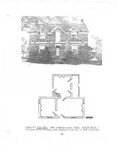
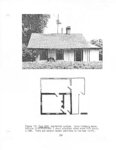
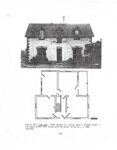
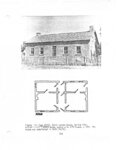
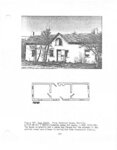
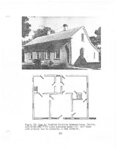
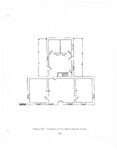
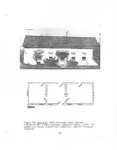
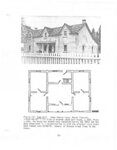
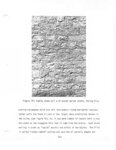
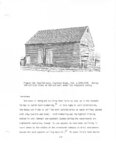
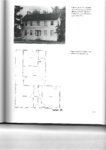
Show Double Parlor houses [XY 1Y2] Types XIX,XX. There are two houses in the valley that belong to a three unit house type rarely found in the United States. This house essentially consists of a hall-parlor structure with an extra room added to one end. 26 These houses are necessarily long, about 40 to 42 feet, and are 18-20 feet deep. They have an easily recognizable asymmetrical four bay facade arrangment. One is a single story while the other is a full two storys. Such three unit houses were a typical post-Medieval cottage type in the British Isles and examples have been recorded in England, Scotland, Wales, and Ir~land. 27 In Britain the units traditionally functioned as a hall, a parlor, and a service area. The house was carried to Virginia and appears to have been built only in the seventeenth century, as the moving of service functions to a rear wing or a detached unit led to the general adoption of the two room hall-parlor type by the eighteenth century. 28 The house has not been found in other regions of country and its presence in the Sanpete Valley is a distinctve feature of the architectural landscape. One house (figure 85) was built by William Luke, an immigrant from Manchester, England. It could be that Luke knew the form in his home • country and found it useful for his needs in Manti. The George Bradley house (figure 86) is more problematic for Bradley was from New York State and would not have been familiar as such with the house form. It is possible that he saw British Saints building such houses at Nauvoo or in Utah or he might have hired Welsh carpenters from nearby Wales to assist him in planning and building the house. The extra rooms were suited to Bradley's position as presiding bishop of the town and evidence suggests 183 |