| OCR Text |
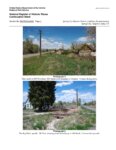
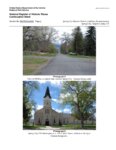
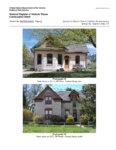
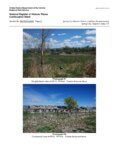
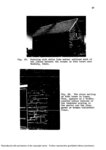
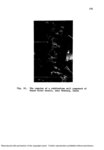
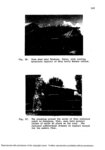
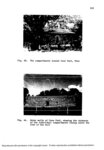
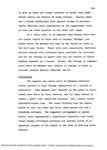
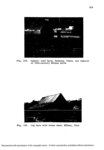
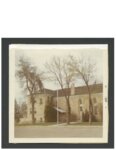
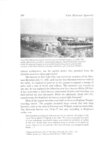
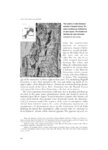
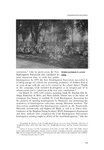
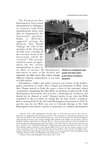
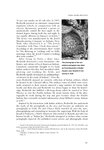
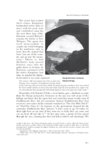
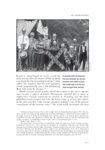
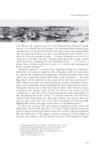
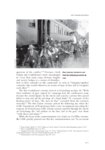
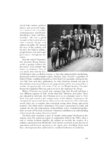
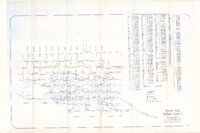
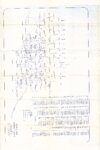
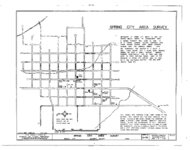
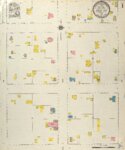
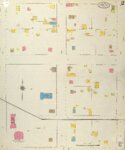
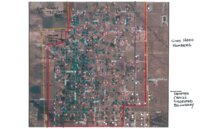
Show United States Department of the Interior National Park Service OMB No. 1024-0018, NPS Form National Register of Historic Places Continuation Sheet Section No. 7 Page 3 Spring City Historic District (Addition Documentation), Spring City, Sanpete County, UT The analysis included a 1964 aerial photograph produced by the USDA, a 1966 USGS topographic map, and a Historic American Buildings Survey (HABS) produced in 1968 for the Spring City Study Area. 5 By comparing these sources to the 1980 nomination maps and a 1939 USDA aerial photograph, it became clear that there have been no substantial changes to the development of Spring City from the early twentieth century to the early 1970s. 6 Prior to 1975, when the population of Spring City began to increase after a period of decline, construction was confined to the extent of the existing historic development from the 1930s. It has only been in the past two decades that new housing stock has appeared outside of the historic development of the city. 7 Beginning at the northeast corner of the historic district, the boundaries are described as follows: The northeast corner of the district is located at 800 North and 700 East, which marks the north limits of city development by 1972. The east municipal boundary follows the north to south line of 700 East, which is also the east boundary of the historic town plat. Both the original and amended east boundary of the district parallel 700 East, but approximately 435 feet to the east so as to include a historic farmstead at 725 E. 600 North and two historic corrals (contributing structures) on Spring Canyon Road. The district boundary runs along 700 East to 300 South, then west along 300 South to approximately 550 East, then south again to 500 South. This staggered southeast corner reflects the development pattern of the 1960s where the north-south streets dead-ended at 500 South. The south boundary runs west along 500 South to Main Street, which was a segment of US 89 until 1957. Main Street is called Pigeon Hollow Road as it leaves the municipal boundary at 600 South, where the district boundary turns west. The southwest corner of the original historic district is the only section that is outside of and not adjacent to the historic townsite plat. The south boundary moves west from Main Street to 200 West, the west boundary of the town plat. The amended district retains the same jog down to the point where 200 West meets Pigeon Hollow Road. The original district included a number of historic farmsteads on the west side of 200 West from 740 South to 400 North [Photograph 3]. The west boundary of the amended district has been moved further west to include more of the outbuildings associated with the farmsteads and to align more closely with the municipal west boundary. The amended boundary extends to approximately 500 North where it turns east to meet the municipal boundary at the rear of the properties on the west side of Main Street. The amended boundary extends north to 800 North, thence east to the northeast. The northwest corner includes a small section of fields that were not included in the plat but have a corral (contributing structure) and the significant remnants of a historic slaughterhouse (contributing site). Development Patterns in the Spring City Historic District As with most early Utah settlements, the historic development patterns of Spring City were partially defined by the acquisition and distribution of water. In addition to improvements to the natural springs and the Oak and Canal Creeks, the early settlers dug several ditches and canals, including the Big Ditch (inside the townsite), and Point Ditch, Mill Race Ditch, and Last Chance Ditch (outside the townsite). The system of canals and ditches was used to provide water to both the agricultural fields and the town lots. The creeks and canals have not been culverted and have good integrity, but new vehicular and foot bridges have replaced historic bridges that once spanned the waterways [Photograph 4]. Unfortunately, only a few remnants of the town lot ditches are extant. Most have been filled with dirt after the original NRHP listing. The loss of the ditches has an impact on the district’s integrity, but because the ditches were below grade, Unfortunately, no maps or aerial photographs could be located for the early 1970s. The 1939 aerial photograph provides the best view of Spring City’s early development patterns. There is a 1917 Sanborn Fire Insurance Map (updated in 1931), but the two-sheet map only covers the blocks on either side of Main Street. A 1934 map of the city waterworks system show the extents of the plat system but was drawn to include streets that did not exist with limited information about the buildings of the period. 7 This conclusion can be reached by examining updated maps of the district produced in 1990 and 1999, as well as more recent topographic maps and aerial photographs. 5 6 |