| OCR Text |
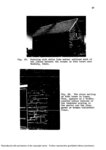
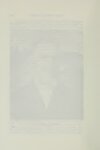
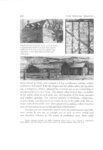
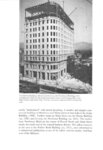
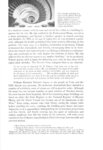
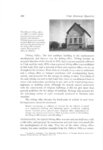
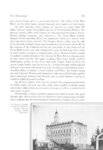
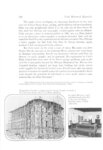
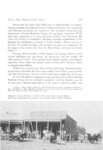
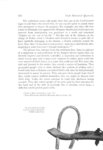
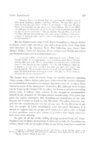
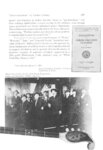
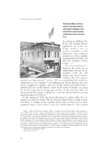
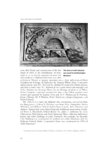
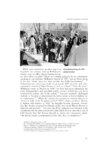
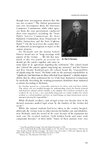
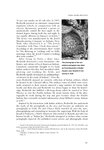
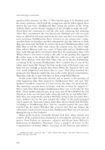
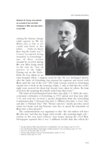
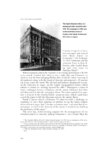
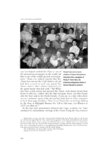
Show WINTER 2013 UHQ pp 4-90_UHQ Stories/pp.4-68 12/5/12 9:38 AM Page 58 AuTHOR uTAH HISTORICAL QuARTERLy usable stone three to five feet thick at the base The Thomas Kearns Mansion on of the working face.18 Salt Lake City’s South Temple The Mine, Quar ry, and Metallurgical Street was constructed of oolite Record of the United States, Canada and limestone between 1900 and Mexico lists limestone quarries at Ephraim 1902. and Manti operated by E. L. Parry in 1897, but no other operators were listed. Arthur Henrie and Company cut stone for buildings and cemetery markers; later the company became Manti Marble Works in competition with E. L. Parry and sons. By 1907, three quarries were in operation: the Oolitic Stone Company organized by K. B. Koch, S. D. Evans, and C. B Jack, Parry Brothers, and Lauritz, Otto, and A. C. Nielson Brothers.19 None of the early skilled and experienced stone masons and quarrymen in Sanpete County was as experienced as Edward L. Parry. He learned the mason trade from his father in St. George, Denbighshire, North Wales, located adjacent to Caernarvonshire with the two largest quarries in the 18 W. R. Hansen, “Stone” in Mineral and Water Resources of Utah, UGMS Bulletin (Washington, D. C.: Government Printing Office,1964), 222-28. 19 Mine and Quarry News Bureau 1897; “Sandstone and Limestone” in Stone; an Illustrated Magazine 28 (1907) 283; Albert Antrei, High Dry and Offside (Manti: Manti City Corporation, 1995), 269; Salt Lake Tribune, July 2, 1907; Salt Lake Herald, September 18, 1906. 58 |