| OCR Text |
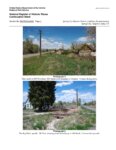
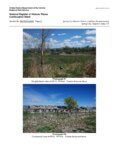
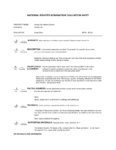
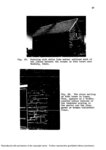
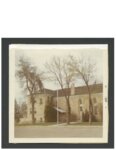
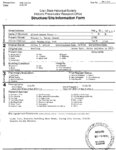
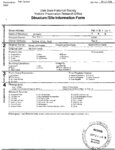
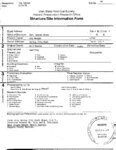
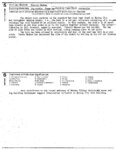
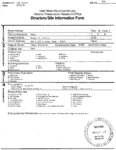
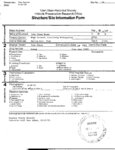
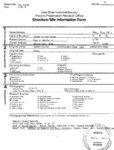
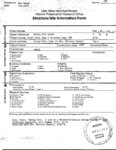
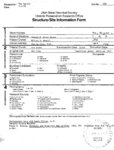
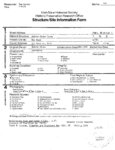
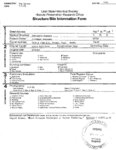
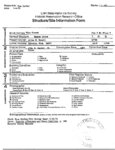
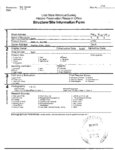
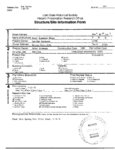
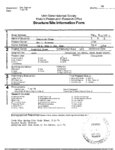
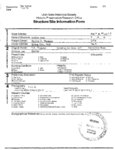
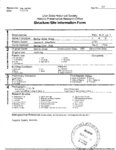
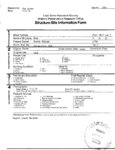
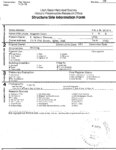
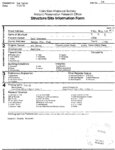
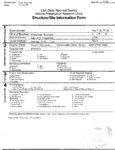
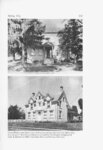
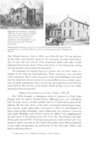
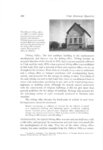
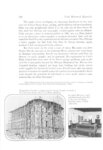
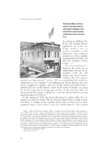
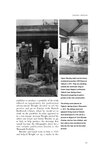
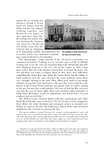
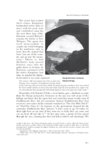
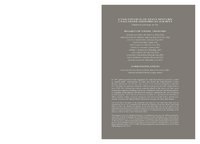
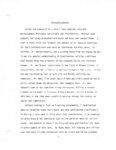
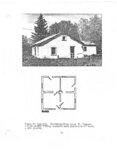
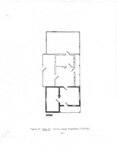
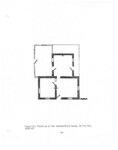
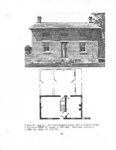
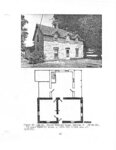
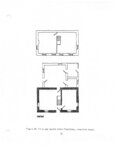
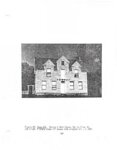
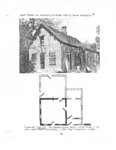
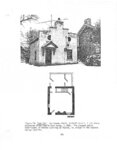
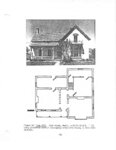
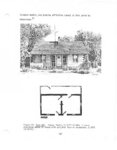
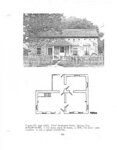
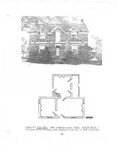
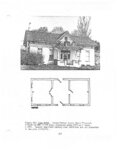
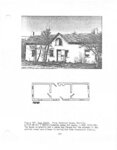
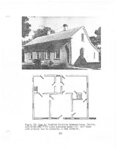
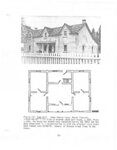
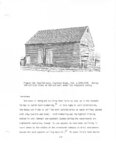
Show 137__________ Architect/Builder: wcc •————————-———-——————————————————————————————————-—————————————————————•—————————— _> (Include additions, alterations, ancillary structures, and landscaping if applicable) ? hI • ott g >; O <J> X Building Materials: brick and stone Building Type/Style: pattern book Description of physical appearance & significant architectural features: ' • •-•--. . . . . A;pattern book design which the LDS Church used in many communities, the Ephriam stone house is identical, A pyramid roof covers this square building and the large Romanesque arches leading into the indented front entrance. Statement of Historical Significance: D Aboriginal Americans D Agriculture ' ^Architecture D The Arts D Commerce D D D D D Communication Conservation Education Exploration/Settlement Industry D D D D D Military Mining Minority Groups Political Recreation H^Religion D Science D Socio-Humanitarian D Transportation This building is historically significant for its role in the early ecclesiastical . organization of. Spring City, The building was constructed as a place for receiving church tithing, storing ward records, and holding meetings, In later years, seminary classes were also conducted here. A large granary, cellar, and barn were originally located directly north of this building to house produce received by the church as tithe, as well as a good portion of Relief Society wheat. In the 1930 f s, the building was converted into a Relief Society Hall. The building was remodeled to provide a canning room and hot and cold water system. Historically significant because the plan represents the first conscious effort by the LDS Church in Salt Lake to direct architectural design of local buildings and to standardize appearance. East h of lot deed 1870 to James Slater, 1883 to Neils Madsen $70. City Ecclesiastical Ward for $260. Tithing office built in 1905. 1883 to Spring |