| OCR Text |
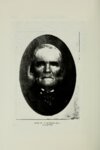
Show WINTER 2013 UHQ pp 91-104_UHQ BReviews/pp.271-296 12/5/12 9:50 AM Page 96 UTAH HISTORICAL QUARTERLY Charles Derry’s story is that of an English convert who came to Utah in the 1850s where he experienced the Reformation and the Utah War and found that life among Utah Mormons was much different than he had anticipated. After suffering injustices, abuse, and confiscation of his oxen when he expressed his plans to leave Utah, he eventually made his way to the Midwest where he died in 1921 at the age of ninety-five. The inclusion by the editors of the Ann Gordge account was a poor choice. Gordge was the last wife of John D. Lee and writes of her life with Lee and his other wives and the mayhem that took place until she departed and went off to other adventures with the Apache Indians and Billy the Kid. The editors justify including her early story because it is based on facts which they discuss in the footnotes. However, even the editors admit that her later story is pure imagination. Sources are most important in substantiating any life history, and as one who has worked with sources all his life, I find the Gordge account is a poor source and should have been excluded from this book. The last account is from Brigham Young Hampton’s journal. The editors have done an excellent job in filling in the gaps in the story of this strange man whose story adds much to this volume. The editors describe Hampton as one “…eager to live his faith and defend his church…he remained loyal to the LDS church, despite his anger and disillusionment with some of its leaders after the death of Brigham Young” (331). Altogether the stories, except for Gordge’s, are believable and interesting and needed to be published so that readers can know about their hardships, struggles, and problems. The editors begin with a general premise about apostasy. However, the life stor ies included are not all about apostates. Der ry left Utah Mormonism only to join with the Josephites. Hicks left Mormonism over injustices in his own life only to finally return. From what the editors can gather Gordge left the church and never returned. Hampton was a faithful Mormon to the end and later served in the Salt Lake Temple. Brigham Young and Erastus Snow in particular are presented in a negative light. A more balanced use of footnotes, including the elimination of questionable sources, would temper the harsh assessment of these church leaders and give a better understanding of the complexities of individuals and events. Playing With Shadows seems to be two books in one: the first concerning the life histories of four individuals; and the second an examination of apostasy in nineteenth century Mormonism--probably an impossible attempt for one book. Nevertheless, the book will help us understand better such terms as apostasy, dissent, disillusionment, and individual choice, that are essential in writing the history of nineteenth century Utah. RONALD G. WATT South Jordan 96 |