| OCR Text |
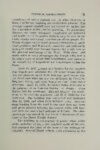
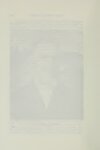
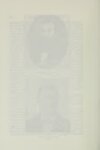
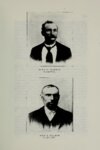
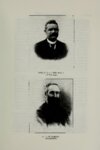
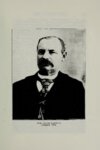
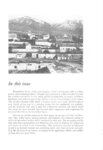
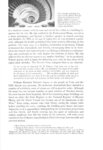
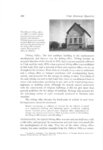
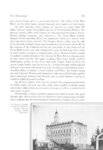
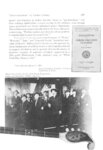
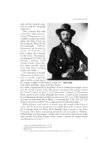
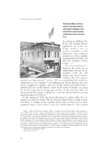
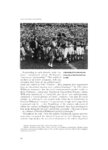
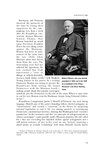
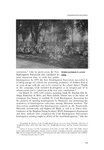
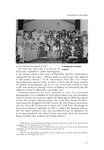
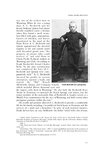
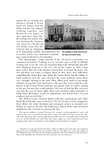
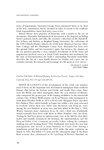
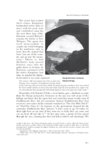
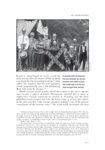
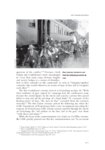
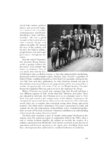
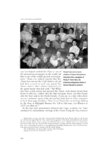
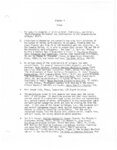
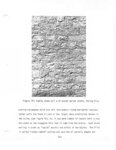
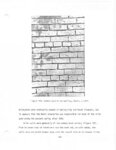
Show Spring . . . . Delegates in the Bingham district, Park City distr ict and Butte distr ict report that men are getting uneasy . . . . some of the members in the Bingham district are anxious to take action sometime in March.” A few months later, another report quoted two IWW workers who predicted “that within the next year the coal miners of this state would be lined up solidly under the IWW banner.” Another inspector reported that after following two Italians from a distance and eavesdropping on their conversation, he had learned that “if Four members of the Park City trouble breaks out in this district during the Western Federation of Miners. coming year and it is possible to get the American miners to walk out, the Italians and Greeks will go with them and will stick until they finish. But the foreigners are not going to be goats again and unless the Americans take the lead, there will be no strike.” Other reports described the activities of UMW labor organizer Frank Bonacci. “Ran into Bonacci who had bought a new car to get around the camps better. Bonacci has recruited 200 new members.” On March 24, 1926, Bonacci told an inspector he was having so much success that he had “sent in a special request for a good organizer to come to Utah immediately and help him out.”68 This boost in union membership in Utah and throughout the nation was paralleled by an increase in labor espionage which, by the late 1920s, had “come to be a common, almost universal, practice in American industry.69 According to testimony provided by members of the National Labor Relations Board (NLRB) during Senate hearings in 1937, American industries were spending more than eighty million dollars per year to spy on their workers. In addition to their testimony, NLRB members also provided a list showing that 230 private detective agencies had labor informants in more than one hundred cities. The hearings were part of an investigation that began in 1936, when the nation’s leaders addressed the issue of labor espionage after the Seventy-fourth United States Congress 68 Spring Canyon Area Coal Company Records, February 16, August 2, 1924; February 23, 1925; March 20 and 24, 1926. 69 Robert Michael Smith, From Blackjacks to Briefcases: A History of Commercialized Strikebreaking and Unionbusting in the United States (Athens: Ohio University Press, 2003), 82. 43 uTAH STATE HISTORICAL SOCIETy WINTER 2013 UHQ pp 4-90_UHQ Stories/pp.4-68 12/5/12 9:38 AM Page 43 |