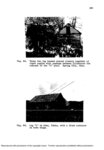
| OCR Text |
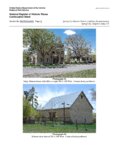
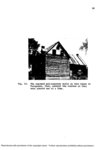
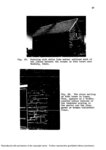
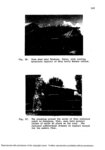
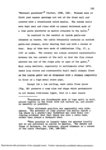
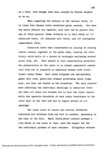
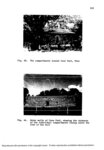
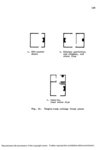
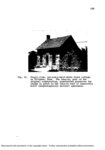
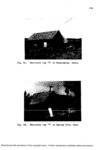
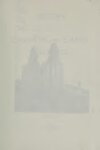
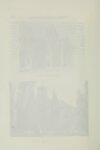
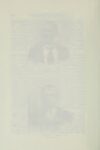
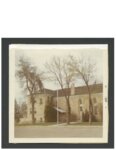
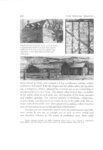
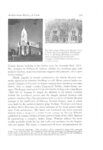
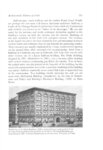
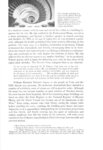
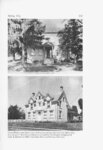
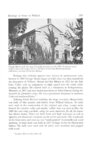
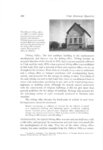
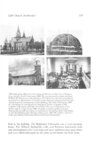
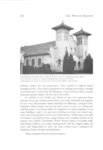
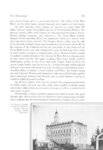
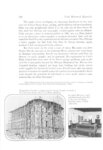
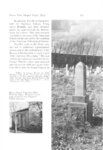
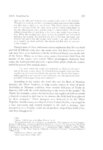
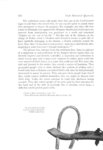
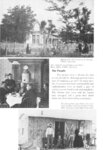
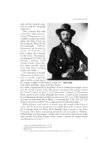
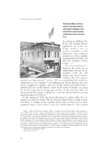
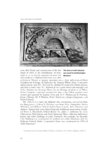
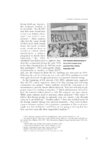
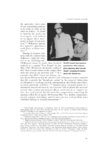
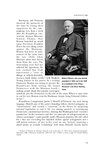
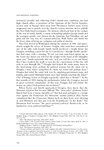
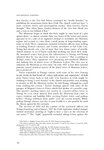
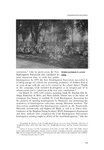
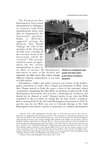
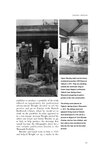
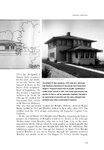
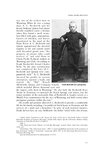
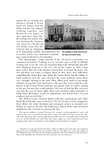
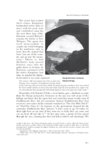
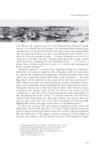
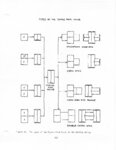
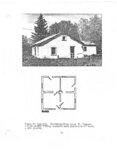
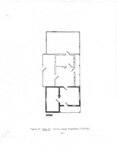
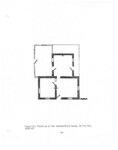
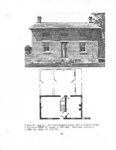
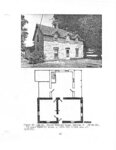
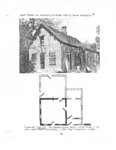
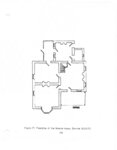
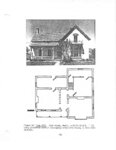
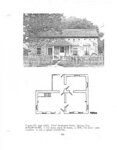
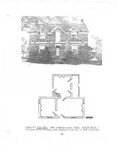
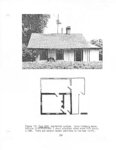
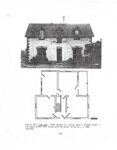
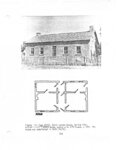
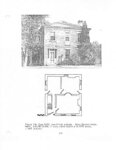
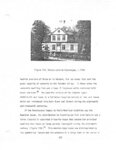
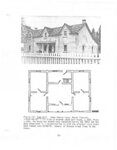
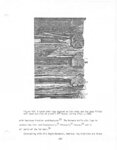
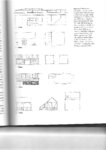
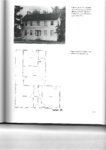
Show This picture introduces the I house and "four over four," which must be included in any discussion of Utah folk architecture. The I house, sometimes called a Nauvoo-style house, has a symmetrical plan and fagade, according to Francaviglia,6 one-and-a-half to two stories high,7 only one-room deep, and usually has a chimney on each end. The "four over four" plan is two rooms rather than one-room deep. Both the I house and the "four over four" are subtypes of the general central-hall house type. According to Glassie, they are related to Georgian architectural influences which profoundly affected American folk architecture. This I house, besides displaying two stone bay windows and return cornices on the center gable, also has a second-story door. Virtually every house, stone or otherwise, in Beaver that has an upstairs door has either a small or large porch, or balcony, or gallery, that it leads onto, or, if not, displays vestiges of such structures. It is hard to imagine that sober, hardworking, utilitarian, frugal Mormons would build a house with a door leading nowhere.^ Rather, it seems likely the upstairs door must always have served some purpose. I have been told by numerous informants that upstairs doors all over Utah served as conveniences to the woman of the house: she could shake rugs out the door, etc. Some claim the door was used when raising and lowering furniture or other household goods. Whatever the purpose, the second-story door is widespread in Beaver. This home now displays a small gallery. However, when the author first viewed it only the vestiges of an early structure were visible, and at first glance the door seemed to lead nowhere. Possibly, the reason many of these doors all over the state seem to lead nowhere is because the wood that the balconies and galleries were constructed of was, of course, much more susceptible to weathering and decay than the sturdy stone of the house itself. Especially in an unpainted state—which oftentimes has been the Mormon state— the wood would rapidly deteriorate. A hayrake wheel forms the gate here. fl "Mormon Central-Hall House in the American West," 1. In a discussion with Bruce Buckley, professor of material culture at the State University College at Oneonta, New York, at the annual meeting of the American Folklore Society in Portland, Oregon, October 1974, I was told that the true I house is two full stories. According to Buckley, Glassie also agrees. Thus, to call the one-and-one-half story Nauvoo house an I house may be a technical misnomer. 8 See Austin Fife's tongue-in-cheek explanation of this architectural oddity in "Stone Houses of Northern Utah " 15. 7 |