| OCR Text |
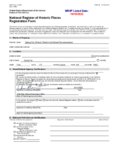
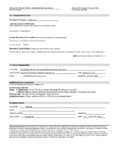
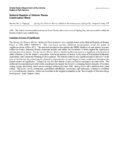
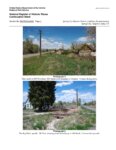
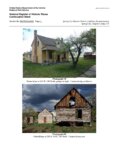
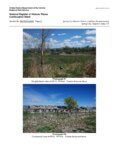
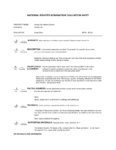
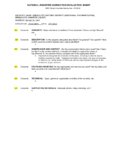
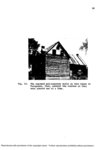
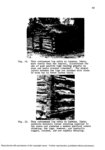
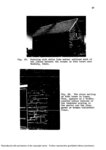
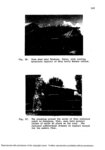
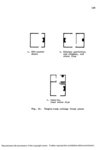
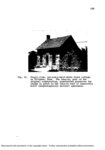
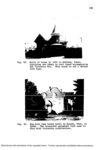
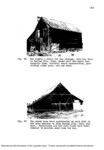
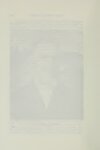
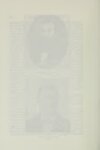
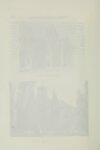
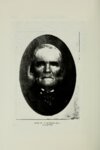
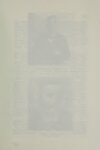
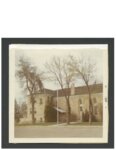
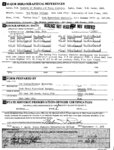
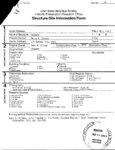
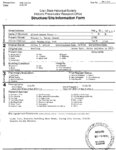
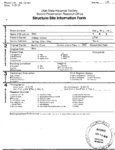
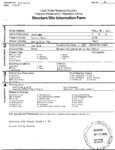
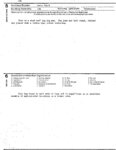
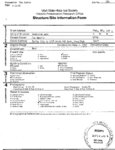
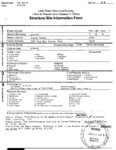
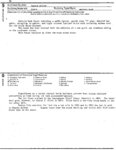
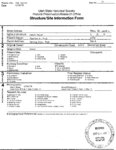
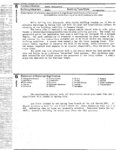
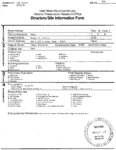
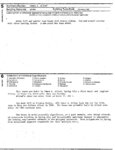
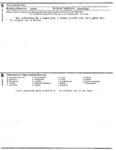
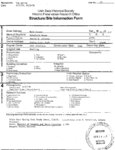
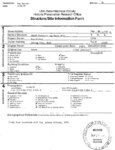
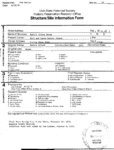
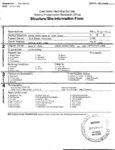
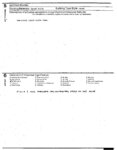
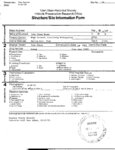
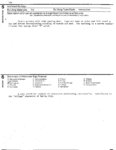
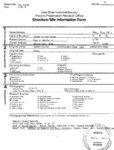
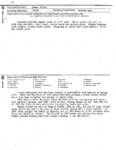
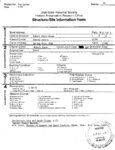
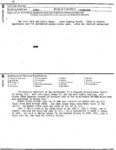
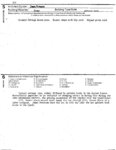
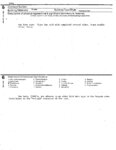
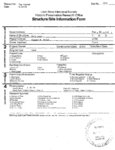
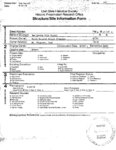
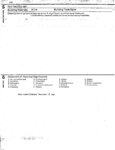
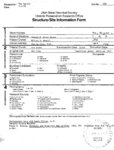
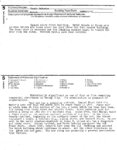
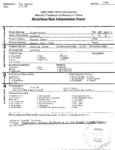
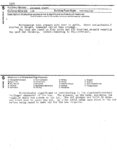
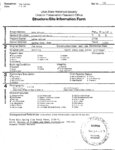
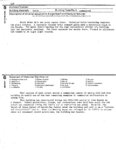
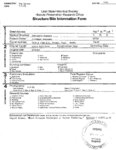
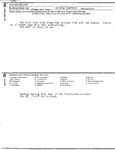
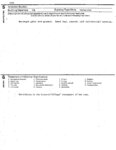
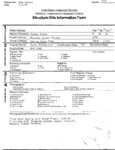
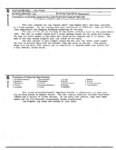
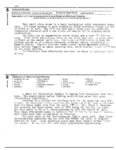
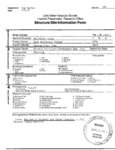
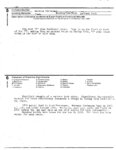
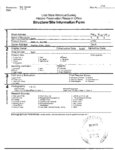
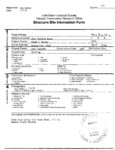
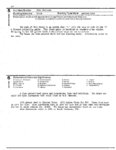
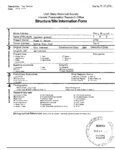
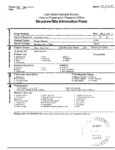
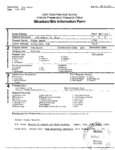
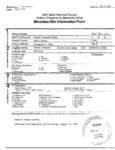
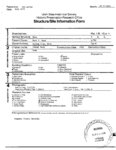
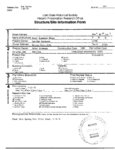
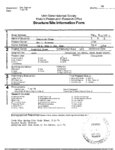
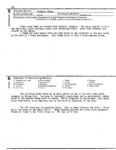
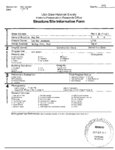
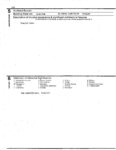
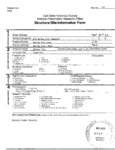
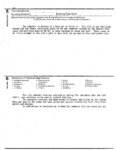
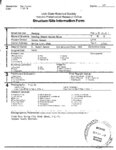
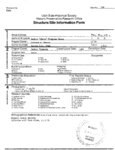
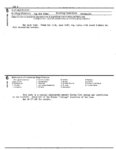
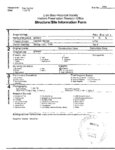
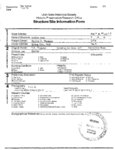
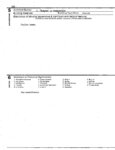
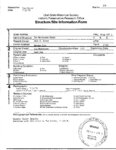
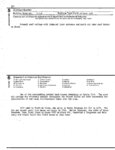
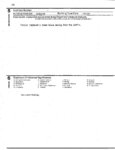
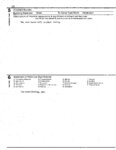
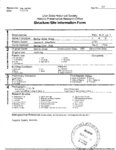
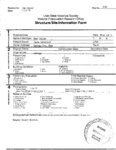
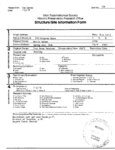
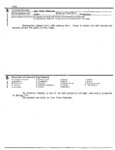
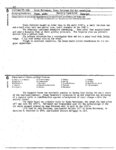
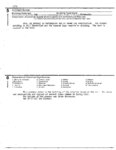
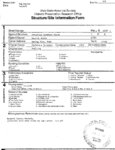
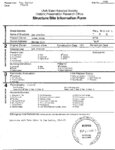
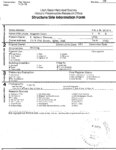
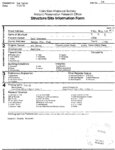
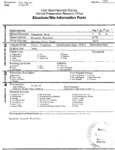
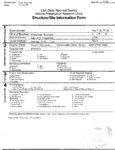
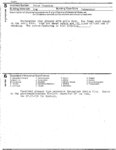
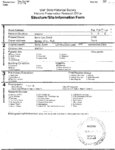
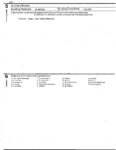
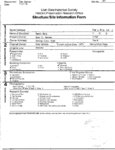
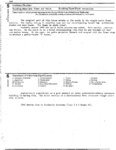
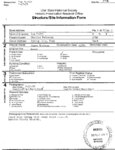
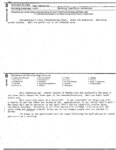
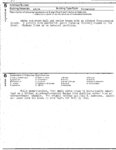
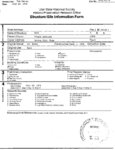
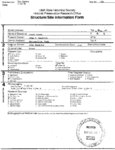
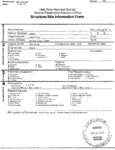
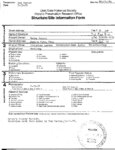
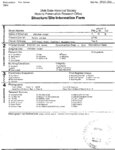
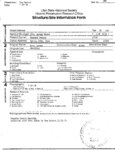
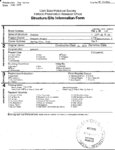
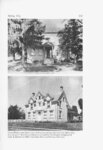
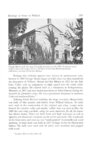
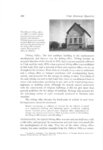
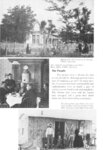
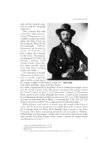
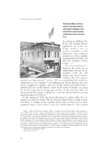
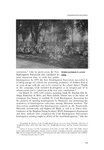
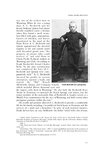
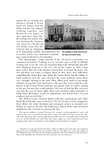
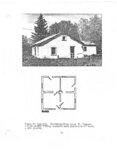
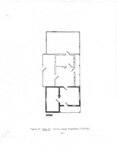
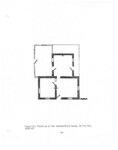
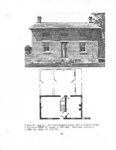
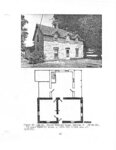
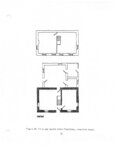
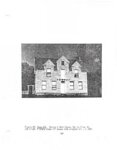
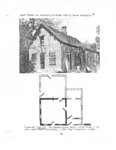
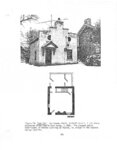
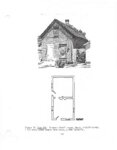
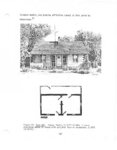
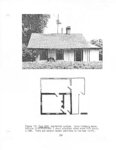
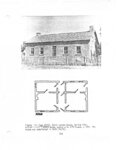
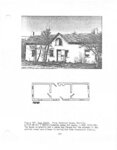
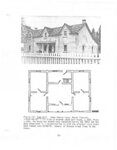
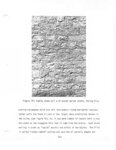
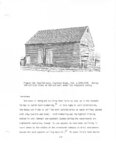
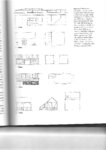
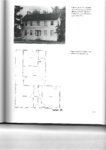
Show ujQC ? fjj Arc hitect/Builder: James T<s> Allred Building Materials: log on oldest section Building Type/Style: vernacular _________ ———————————————————————'—————————————————————————————————————————————————————————————————'————————————————— Description of physical appearance & significant architectural features: (Include additions, alterations, ancillary structures, and landscaping if applicable) I O < The oldest part of this house is built of sawed logs. Clapboard siding obscured this fact after 1919. A frame section was added in 1962 and then plastered. Halfdovetail, hewed with chinking. g Statement of Historical Significance: > O tJJ X D D D D Q Aboriginal Americans Agriculture Architecture The Arts Commerce D D D D D Communication Conservation Education Exploration/Settlement Industry D D D D D Military Mining Minority Groups Political Recreation D D D D Religion Science Socio-Humanitarian Transportation The house is important as a early log house and also as an example of the "additive" quality inherent in Spring City housing. Residents, since the very first days have been willing to alter, add to, subtract from, etc. their houses in a vast number of ways. The process was still alive in 1962. The log house here was built by James T.S. Allred, one of Spring City's earliest settlers. Allred received the deed in 1870. James Tillman Sanford Allred was born in 1825 and was the son of James Allred. The family joined the Mormon Church in 1832 and moved to Clay County in 1835, to Caldwell County in 1836, and by 1839 were residing in Nauvoo. James T.S. was one of Joseph Smith's twelve life guards and was one of the men who rescued Apostle John Taylor from the Carthage jail following the martyrdom of Joseph Smith. James began the trek west in 1846 and was diverted to California as a member of the Mormon Battalion. In 1847 Allred arrived in Salt Lake and later was called to settle Sanpete County. In 1849 Allred operated a sawmill in Manti. In 1852 he went with his father to occupy Spring City site. Driven by Indians from Spring City, Allred resided in Fort Ephraim until 1866 when the town was occupied. |