| OCR Text |
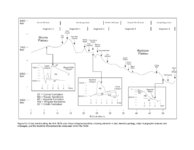
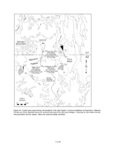
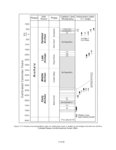
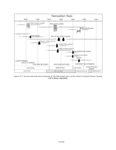
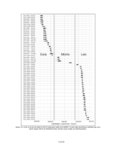
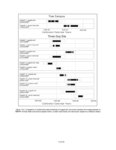
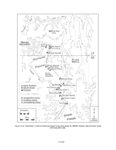
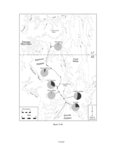
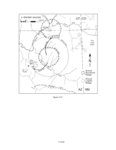
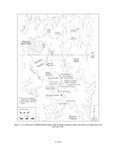
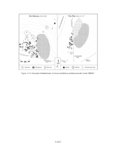
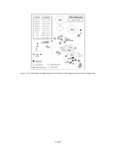
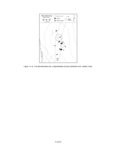
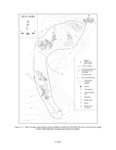
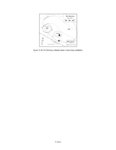
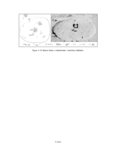
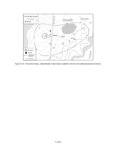
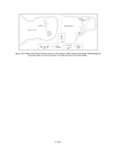
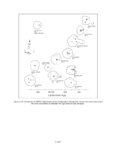
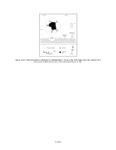
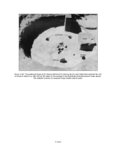
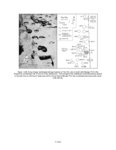
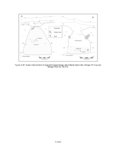
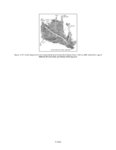
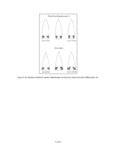
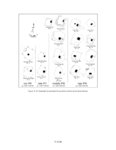
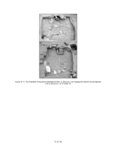
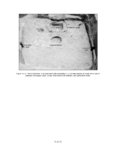
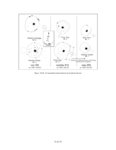
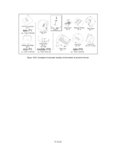
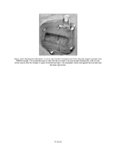
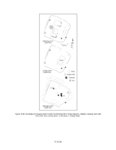
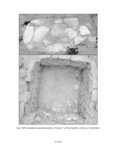
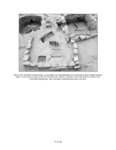
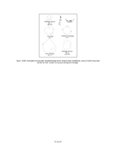
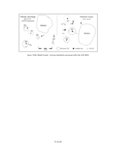
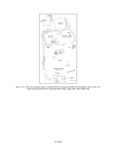
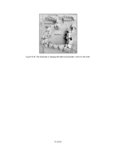
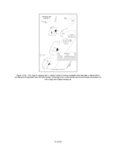
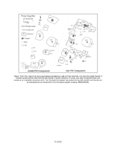
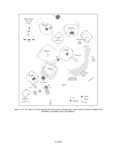
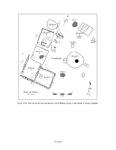
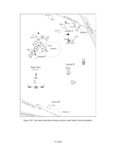
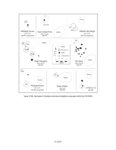
Show populations abandoned the core Kayenta region, many of which evidently settled in the Hopi area to the south where they formed true integrated villages in the 1300s, such as represented by the Homolovi ruins of the Little Colorado River area (Adams 2002). The processes at work in this "transformation" no doubt included the "increasing subsistence and social stresses resulting from greater population densities, caused by settlement relocations, and severe environmental degradation" highlighted by Dean (2002:157). The role that warfare played (Haas 1990; Haas and Creamer 1993) remains mostly conjectural and based largely on the defendable positions of many Tsegi phase pueblos, which the northern Kayenta region is well endowed with. Unprecedented high population levels are a critical variable, and in the northern Kayenta region these clearly peaked in the 1200s. One important aspect of the population peak to me is not that the increase occurred but the implications of how it occurred-from probable influxes of people who had little or no history of residence in the region. This need not have been a migration of complete outsiders, since places like Cummings Mesa started to be abandoned in the early to mid 1200s (Ambler et al. 1964), prior to late Pueblo III, and some of these families likely settled around Navajo Mountain or elsewhere on the Rainbow Plateau. The important point is that newcomers would have created land allocation issues not faced before on such a scale or without defined social mechanisms. The maxim that "possession is ninetenths of the law" is an old common-sense concept (Lawson and Rudden 1984:49-50) that may have been put to a crucial test as populations crowded onto the Rainbow Plateau and other portions of the Kayenta region during the 1200s. If primacy of residence in an area and kin relations was the means of preventing a state of anarchy concerning use rights and ownership, then one other means of doing so or of "enforcing" one's position was by consolidating into larger social aggregates, visibly expressed as Pueblo III villages. This could also be done by loose family units trying to gain access to land, even if by leverage. Note that this does not necessarily entail physical conflict, since social group size can intimidate or persuade without overt action simply by the fact of village size and membership. When aggregated pueblos appear in the northern Kayenta region record in the middle 1200s, several diverse settlement layouts are evident. Some, such as Neskahi Village (NA7719) on Piute Mesa (Hobler 1974) or Surprise Pueblo (NA7498) on Cummings Mesa (Ambler et al. 1964:53-83), appear to be larger versions of the architecturally (and presumably socially) integrated Pueblo II and early Pueblo III "unit pueblos," and have been classified as plaza sites/pueblos (Lindsay et al. 1968; Lindsay 1969). These two sites illustrate the two standard forms of plaza pueblos-D-shaped (Neskahi) and square/rectangular (Surprise). It is important to point out that Tsegi phase plaza pueblos are different from what Adams (1989:156) referred to as plaza-oriented villages-the large aggregated communities that appeared in western Puebloan refuge areas at the close of the thirteenth century. The term village provides an important distinction (plaza pueblo vs. plaza village) since it emphasizes the key difference in social scale between the two: a few dozen people versus hundreds. Plaza pueblos contrast with the Segazlin Mesa community at the foot of Navajo Mountain, which is a loose affiliation of small extended family courtyard complexes (Lindsay et al. 1968) all occupying the same small mesa top. Pottery Pueblo on Piute Mesa (Stein 1984) several kilometers from Neskahi Village appears to be a similar architecturally nonintegrated agglomeration of family courtyard units, but ones that are more physically compacted by the consequence of occupying a small rock prominence. These latter two sites are a specific form of late Pueblo III aggregated pueblo that Lindsay (1969:243-246) termed a courtyard pueblo, where room clusters are grouped together to form courtyard complexes and these in turn are further grouped to form pueblos (see Dean 2002:143-146). Lindsay (1969:367) noted that these variations in Tsegi phase village patterning could be a reflection of the arrival of different traditions in the Navajo Mountain district, but both could also have been homespun although perhaps engendered by the arrival of outside families. An example of this is provided by Three Dog Site, excavated by the NMRAP, which appears to exemplify the architectural reconfiguration that marks the transition to the courtyard pueblo type of village. At this site the structural remains of a middle Pueblo III habitation lay beneath those of a late Pueblo III habitation. The late Pueblo III structures were built on the same spot and generally followed the same ground plan established by the residents just a decade or two earlier, but were organized into a more formalized and tightly integrated pueblo that included additional rooms, probably more people, and a greater investment in architectural permanence. The middle Pueblo III structures were razed and filled in, but the large central kiva of the earlier component was maintained. It is probably not wild speculation to claim that the final residents of this site were descendants of, and perhaps some of the same people who initially built two courtyard complexes during middle Pueblo III. The nearly identical footprint and continued use of the one large kiva seem to support this argument. Moreover, the site occupies a prime piece of real-estate in what was a very crowded area along the foot of Navajo Mountain-a sheltered drainage with permanent water and farmable alluvium-just the sort of setting V.16.11 |